
Last updated November 16, 2026
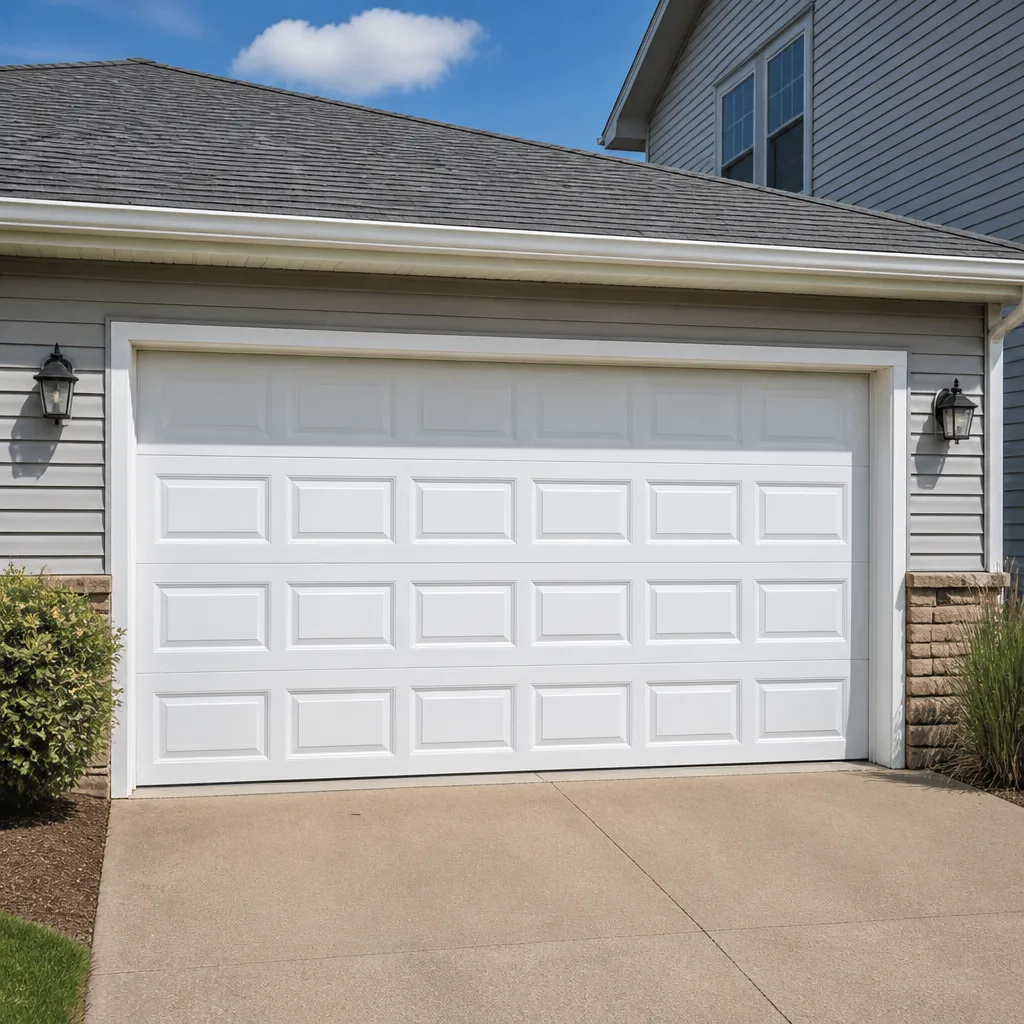 Raised-panel steel
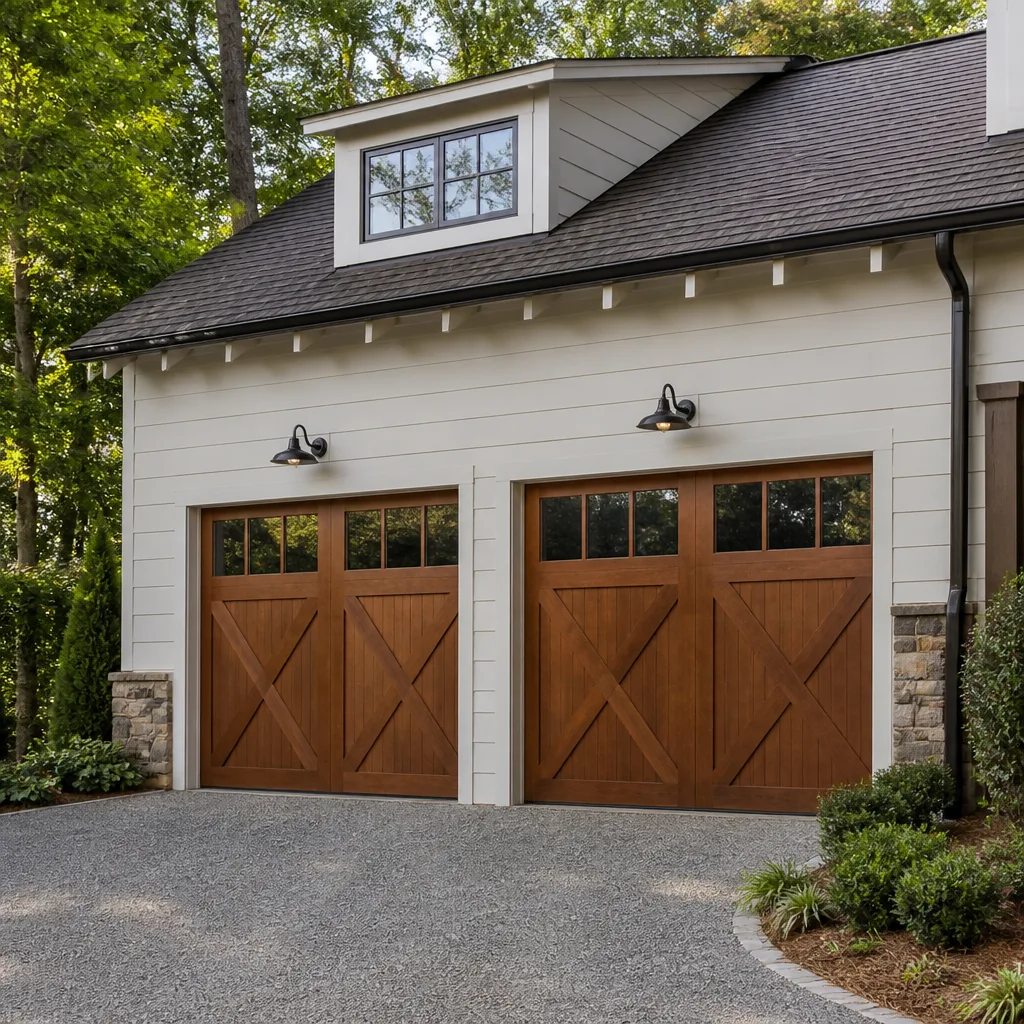 Carriage house
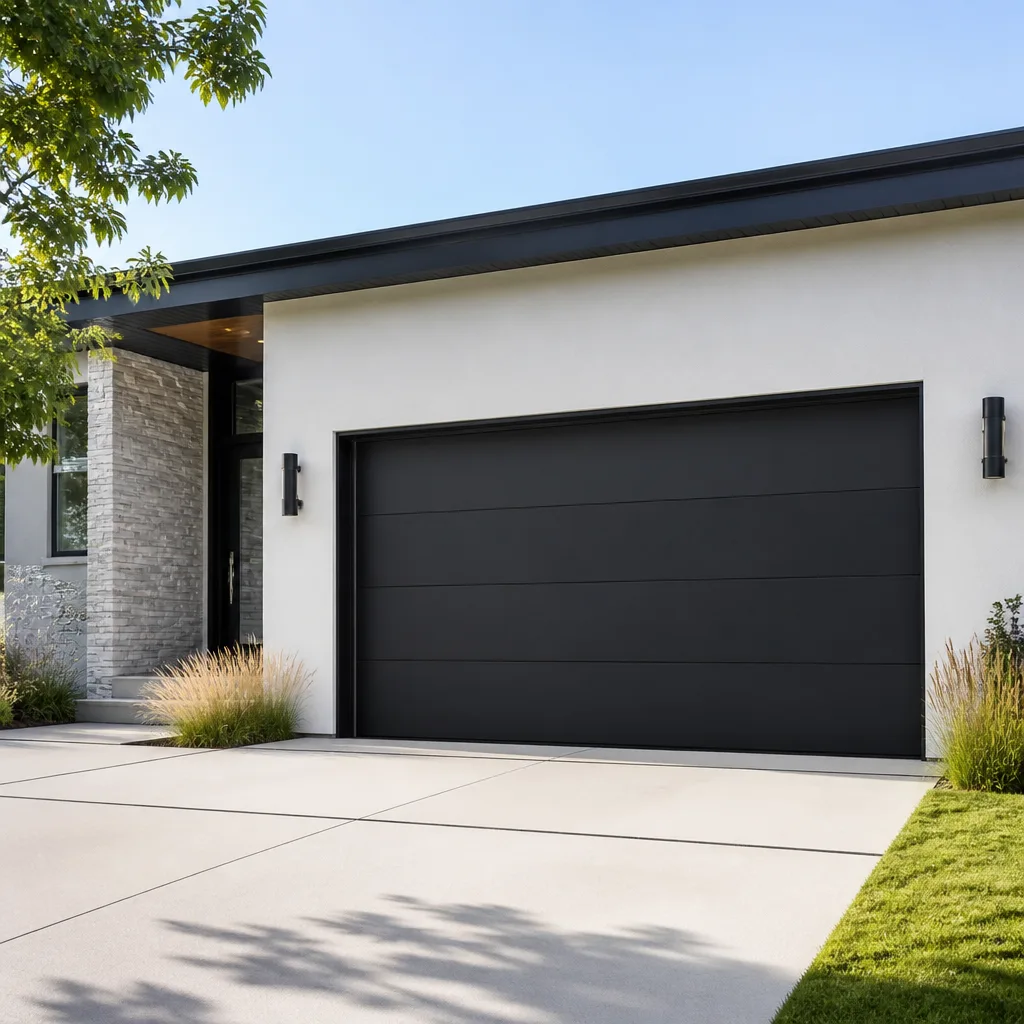 Modern flush
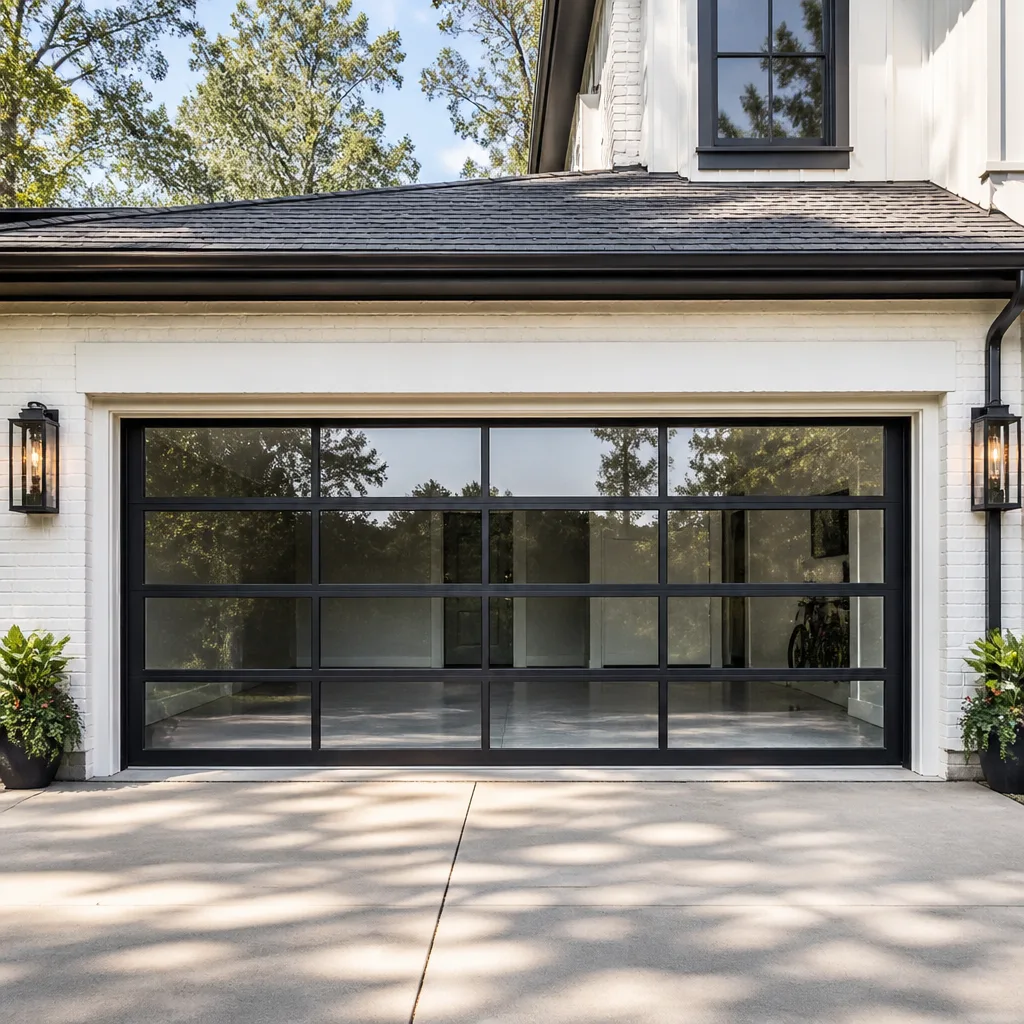 Full-view glass
 LiftMaster openers
 Chamberlain openers
Full 25-point door and opener safety check with every visit - springs, cables, rollers, tracks, and your LiftMaster or Chamberlain opener included
You get a price before we start. It does not change when the pro arrives.
Get your free estimateGarage Door Emergency Preparedness Guide for Norman Homes
Most Norman homeowners treat their garage door as a convenience, not a structural component. That assumption is the one worth correcting first. During the 2013 Moore tornado, investigators found that garage doors were among the first structural components to fail on affected homes, and once a garage door gives way, the pressure differential inside the structure escalates quickly. The garage door is the largest opening in the building envelope, and it’s also the weakest. This guide covers what “wind-rated” really means on a label, the manual release cord every adult in your household should know how to work, what to actually do in the 20 minutes before a tornado warning, how to spot structural compromise after a storm, and why battery backup on your opener matters more in Norman than in most U.S. cities.
Quick Answer
Garage door tornado preparedness in Norman means three things: confirming your door was manufactured and installed to a wind-load rating appropriate to this region, making sure every adult in the household knows where the manual release cord is and how to pull it, and knowing what to inspect on the door and track system after any severe weather before you use it again. Doors built to a higher wind rating resist failure far longer than standard-residential doors, and a compromised door can look perfectly fine from the driveway.
Styles & brands we work with
- Raised-panel steel
- Carriage house
- Modern flush
- Full-view glass
- LiftMaster openers
- Chamberlain openers
Table of Contents
- Why Garage Doors Fail First in Oklahoma Storms
- What “Wind-Rated” Actually Means on a Garage Door Label
- The Manual Release Cord: The One Thing Everyone in the House Should Know
- What to Do in the 20 Minutes Before a Tornado Warning
- Post-Storm Structural Assessment: When a Door That Looks Fine Isn’t
- Backup Power for Openers: Why It Matters More in Norman
- After the Storm: What to Do Before You Open the Door Again
- The Norman Garage Door Preparedness Checklist
Why Garage Doors Fail First in Oklahoma Storms
Garage doors are the biggest moving piece of a house, and they’re the only piece designed to open. That combination makes them vulnerable. A door in the closed position presents a wide, flat surface to wind pressure. If the door’s panel strength, hinge attachment and track anchors aren’t rated for the load, the door deflects inward. Once the panel deflects far enough, the tracks bow outward, the rollers pop free, and the door leaves its frame entirely. At that point, the building envelope is wide open, and wind-driven pressure inside the garage can push against the ceiling and the wall shared with the rest of the house.
In Norman, this matters more than it does in most places. Central Oklahoma sits at the heart of one of the most tornado-active corridors in the world. The storms that produce the most door failures are also the ones where airborne debris is most likely, and a garage door that has a weak wind rating will fail from debris impact before it fails from pressure alone. We’ve worked on doors across Norman neighborhoods – older homes near downtown, mid-century builds on the east side, and the newer subdivisions pushing toward Highway 9 – and the ones that hold up have two things in common: an appropriate wind rating from the factory and correct installation into the framing.
- Panel deflection is what starts the failure. Panels that bow under load pull the rollers out of the tracks.
- Track anchoring is the second weak point. Tracks bolted into thin framing or into material that has aged badly will let go before the panels do.
- Debris impact is the third. A door that can take a pressure load can still be broken by a branch or a chunk of fence driven into it.
If you want to know how your door is actually attached and whether it’s rated for what this region gets, the best answer comes from an inspection rather than a guess. Our garage door repair team can look at the door, tracks, hinges and anchors, and tell you plainly whether the door you have is rated for this region.
What “Wind-Rated” Actually Means on a Garage Door Label
A wind-rated garage door is one that has been tested and labeled for a specific design pressure, expressed in pounds per square foot, and a label on the door or a sticker on the inside panel is where that number lives. A door without a label is not necessarily unsafe, but you have no way of knowing what load it was built to take. That distinction is what “wind-rated” actually means: it’s a tested number, not a marketing word.
Wind ratings come in two forms homeowners usually encounter:
- Design pressure rating – a number expressed in psf that describes the pressure the door assembly was tested to withstand without failure.
- Impact rating – a separate test that describes whether the door resists penetration from wind-borne debris.
Those are different tests, and a door can have one without the other. For Norman, the practical answer is that a standard builder-grade door installed decades ago in a subdivision was almost certainly built to a lower rating than a door manufactured for this region today. Door manufacturers like Clopay, Amarr and Wayne Dalton publish wind-load options for most of their residential lines, and a specialist can tell you which of those options fits your opening without requiring you to rebuild the framing.
What rating should a Norman home have? The honest answer is that it depends on your specific home’s exposure and construction, and on what your city’s building department requires at the time the door is installed. What we can tell you is that higher wind-rated doors take longer to fail, which gives the building more time before the pressure differential becomes a problem. That’s the goal. Not a door that’s rated for every scenario – a door that buys time. If your door has no label and you don’t know its rating, that alone is a good reason to have it looked at. We can also talk you through the installation side of this if your door is beyond what a repair makes sense on; our Millbrook Garage Door Repair team handles full installation as well as repair.
The Manual Release Cord: The One Thing Everyone in the House Should Know
The manual release cord is the emergency disconnect on every automatic garage door opener. It’s a cord with a handle, hanging down from the opener trolley, usually about six feet off the floor. Pulling it disconnects the door from the opener motor so the door can be raised and lowered by hand. Knowing where it is, and knowing how to use it, is the most basic piece of garage door preparedness there is.
Here’s how it works, in plain terms:
- The opener trolley rides on a rail above the door. A spring-loaded latch holds the trolley to a carriage arm that’s attached to the door.
- The cord hangs from the latch. Pulling the cord releases the latch.
- Once released, the door is free of the motor. You can lift it by hand, though a door with a broken spring will be extremely heavy.
- To re-engage, most openers require you to pull the cord back to the latch position and then operate the opener so the carriage meets the trolley again. Some openers use a different re-engage motion, so check the manual for yours.
Why every adult in the household should know this before they need it: if the power goes out during a storm and your opener has no battery backup, that cord is how you get a car out of the garage. If the door is jammed or the opener has failed partway, that cord is how you free the door. If someone is trying to figure it out in the dark during an emergency, they won’t have time to learn. Walk the household through it once, in daylight, when nothing is happening.
One safety note worth stating plainly: never pull the release cord while the door is open and the springs are under tension. The door will drop. Release the cord only with the door in the closed position, and check that no one is standing under it.
What to Do in the 20 Minutes Before a Tornado Warning
In the 20 or so minutes between when a warning covers your area and when the storm arrives, you’re not going to be doing maintenance. The sequence below is the one that actually works. It’s short, and it can be done by one person.
- Pull cars out of the garage or leave them in – decide now. If a storm is likely, having cars out from under the door saves you from needing to raise the door during or after the event. Move any vehicle you’re not using for shelter out of the garage before the storm is close.
- Close the door fully and confirm it’s seated. A garage door that’s closed and seated in its frame handles pressure better than a door that’s halfway up. Confirm all the way down and that nothing is blocking the bottom seal.
- Disconnect the opener if the power is likely to go out. If you’re going to lose power and your opener has no backup battery, pulling the release cord before the storm means you’re not fumbling for it in the dark afterward. Do this only with the door closed.
- Clear the path to the manual release cord. Nothing stacked under the opener, no shelves blocking access to the cord.
- Set flashlights in the garage near the door. If you need to get a car out after the storm, you’ll want light that isn’t dependent on your phone battery.
- Get to your shelter. Everything above is done before the storm arrives. During the storm, stay in your shelter. The garage door is not worth retrieving anything for.
What to leave alone: don’t try to brace or prop the door with boards during a warning. Don’t stand next to the door to “watch it”. Don’t try to operate the opener during the storm. The door is either rated to handle the load or it isn’t, and no improvised bracing changes that in the moment. If the door fails, having a person standing next to it is the worst outcome.
Post-Storm Structural Assessment: When a Door That Looks Fine Isn’t
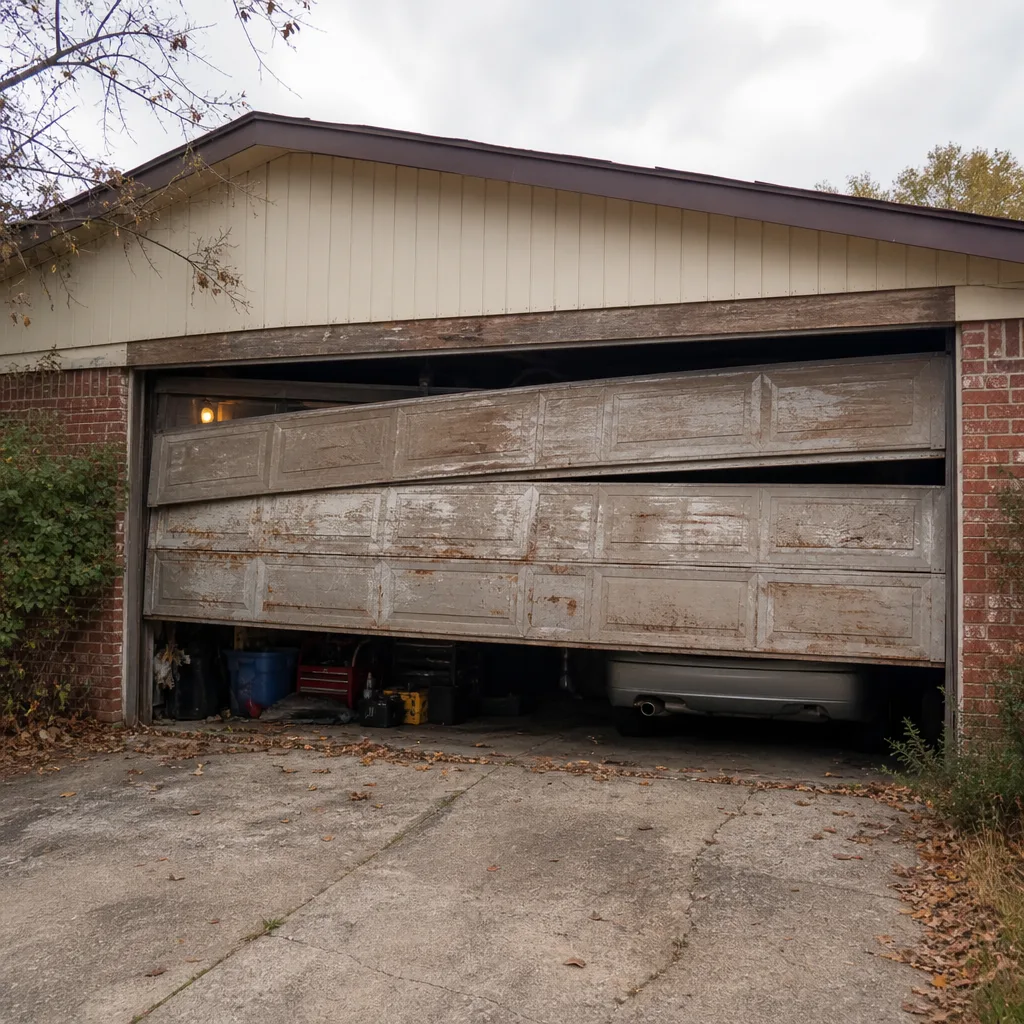
After a storm passes, the door that looks fine from the driveway often isn’t. The most dangerous state is a door that has taken a load, deflected, and returned mostly to its original position while the tracks and hinges remain bent. It looks normal. It isn’t. Using a storm-damaged door before inspection can cause the door to come off its tracks or drop when the opener is engaged – and a door that comes off its tracks under opener power is a serious injury risk.
Here’s what to look at on a door that survived a storm, in order:
- The tracks. Stand inside the garage and sight down each vertical track toward the door. If the track is bowed inward or outward, or if the rollers look like they’re riding at an angle, the track has taken load.
- The panels. Look for deflection along the panel seams, hairline cracks in the door skin, and any panel that no longer sits flat against its neighbor.
- The hinges. Hinges that show separation from the panel, or that have pulled screws, mean the door has flexed more than its hinges were designed for.
- The bottom seal and threshold. A door that’s been pushed in can leave a gap at the bottom seal that wasn’t there before.
- The opener rail and trolley. A trolley that’s out of alignment on the rail, or a rail that’s bent, tells you the opener took load too.
- The wall anchors. Look at where the tracks are bolted to the framing. Any pulling or splitting at the bolt heads is a bad sign.
One of the specific things we look for in Norman after a severe weather event is a door that has taken an impact but shows no visible penetration – a branch that hit the door hard enough to flex it will often leave a hinge issue that isn’t obvious until the door is operated. If you’re not sure, don’t run the opener. Leave the door in the closed position and have it looked at. We can walk through what a post-storm inspection includes, and our garage door opener repair team handles the opener side of a storm-damaged system as well.
Backup Power for Openers: Why It Matters More in Norman
Battery backup on a garage door opener keeps the opener functional when the power goes out. The unit is a rechargeable battery that mounts to the opener head or to the rail, and it takes over automatically when the opener detects a power loss. During a storm outage, it means the door still opens under power. Without it, every trip in and out of the garage is a manual release.
Why it matters more in Norman than in most U.S. cities: Oklahoma’s severe storm season produces outages that last longer than a typical utility blip. A household can lose power for an extended period after a storm, and every manual cycle of a garage door – opening it, closing it, and pulling the release cord each time – is wear on the door and opener. Frequent manual use also increases the chance someone pulls the cord while the door is partly open, which is when a door can drop. Battery backup removes that problem entirely for the typical outage.
Most major openers we see in Norman homes – LiftMaster, Chamberlain, Genie, Craftsman – have a battery backup option available, and some models ship with it. If you have an older opener without backup, it’s worth knowing whether your opener supports a backup kit. The brands matter here: some openers have a backup unit that plugs into the head, and others use a rail-mounted battery. In our experience, most backup kits install on the opener you already have rather than requiring a new opener. If your opener is old enough that no backup kit is available, that’s one of the questions to weigh in a repair-or-replace decision.
A door with a broken spring and a working battery backup is still a door that won’t open under power – the opener won’t lift a door whose spring isn’t assisting. So backup power doesn’t fix spring problems. It fixes power problems, and those are the more common outage in a storm.
After the Storm: What to Do Before You Open the Door Again
After any severe weather event in Norman, there’s an order of operations that protects you. Follow it before you touch the opener button.
- Look before you operate. Open the door from the outside (many homes have an exterior keyed lock or a manual handle) if the door is closed and you can inspect it without running the opener. If you can’t, walk in through the house and look at the inside of the door first.
- Check the tracks by sight. Any bow in a track is a reason not to operate the door.
- Check for debris on the rails and in the tracks. Storm debris in the track can force the rollers out on the first cycle.
- Test the manual release cord from a closed position. Lift the door by hand a few inches and let it down. If it feels wrong, or the door is far heavier than it should be, close it and stop.
- Only then engage the opener. Run the door all the way up and all the way down once with someone watching, and listen for a change in the sound. Any grinding, any dragging, any hesitation is a reason to call.
If anything above surprises you, leave the door in the closed position. A door that won’t run is inconvenient. A door that comes off its tracks while someone is standing under it is a serious injury.
The Norman Garage Door Preparedness Checklist
Go through this list once before the next storm season, and again each year around the time warnings become common. It takes about 30 minutes.
- Find the door’s wind rating label and photograph it. If there isn’t one, note that. A specialist can help you figure out what the door is likely rated for.
- Confirm every adult knows the manual release cord. Walk through it with the door closed. Show the re-engage motion for your opener.
- Check that the opener has a battery backup, or that the model supports a backup kit.
- Test the safety reverse – the door should reverse when it meets an obstruction on the way down. If it doesn’t, get the opener looked at.
- Look at tracks, hinges and wall anchors after any storm, and note anything that changed.
- Clear the space in front of the door and around the opener so it’s safe to reach the cord.
- Keep flashlights and a manual door operation plan in a place every adult knows about.
If you want a second set of eyes on any of it, our team at Norman can inspect the door, opener and hardware and tell you what needs attention before storm season.
Common Mistakes to Avoid
- Pulling the manual release cord with the door open. The door will drop with the springs under tension. Only release from the closed position.
- Treating a door with no visible damage as a door that’s fine. Most storm-damaged doors fail on the first opener cycle after the storm, not during it. If you’re not sure, don’t run the opener.
- Bracing the door during a warning. Improvised bracing does not change a door’s wind rating, and it puts a person next to the door when the door is most likely to fail.
- Assuming a standard builder-grade door from an older Norman subdivision was built to current standards. Wind-load options for the same door line differ over time, and a door installed decades ago was likely manufactured to a different rating than one made for this region today.
- Assuming a battery backup will fix a door that won’t open. A backup battery doesn’t lift a door with a broken spring. Backup power fixes power outages, not mechanical failures.
- Running an opener that’s still connected to a door that took a hit. If the trolley is out of alignment on the rail, operating the opener can force the door further out of track.
- Skipping the walk-through with everyone in the house. A manual release cord nobody knows how to use isn’t a preparedness measure.
See the difference
 Before
 After
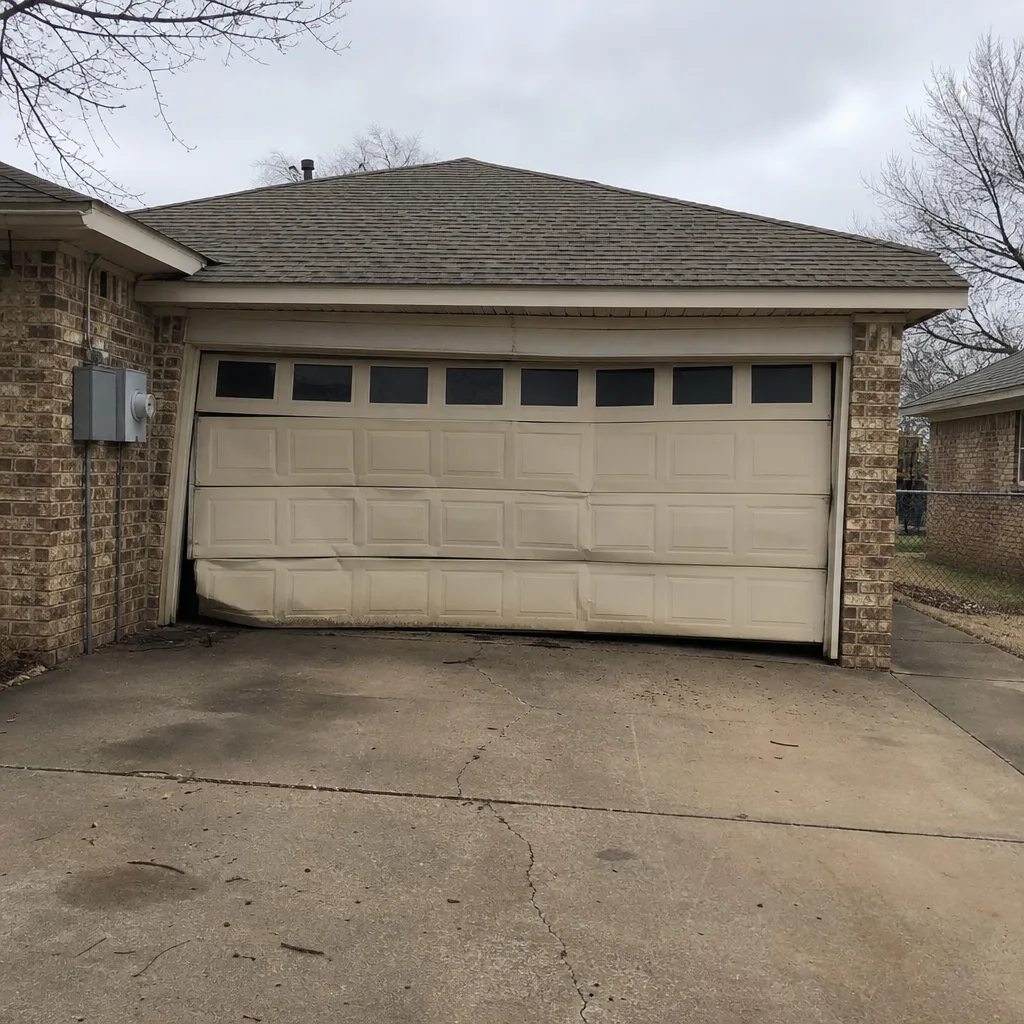 Before
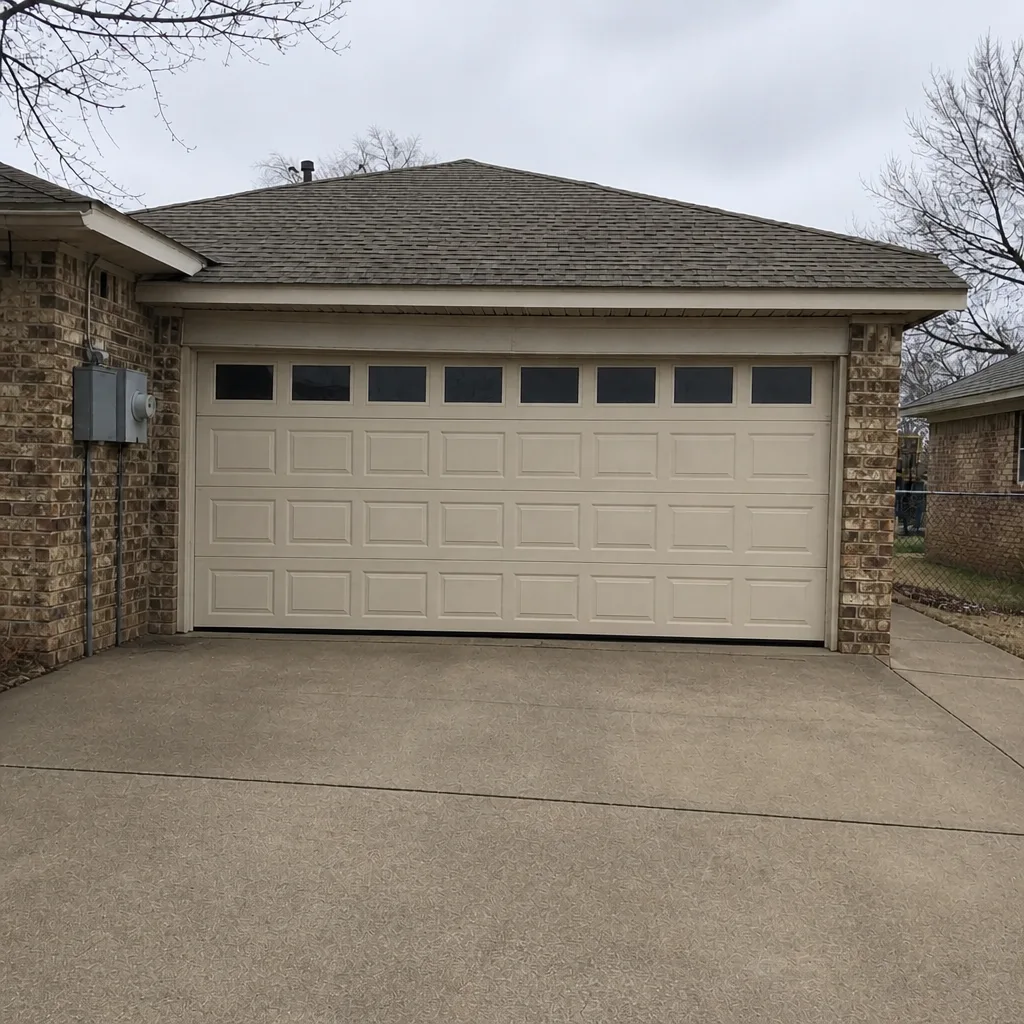 After
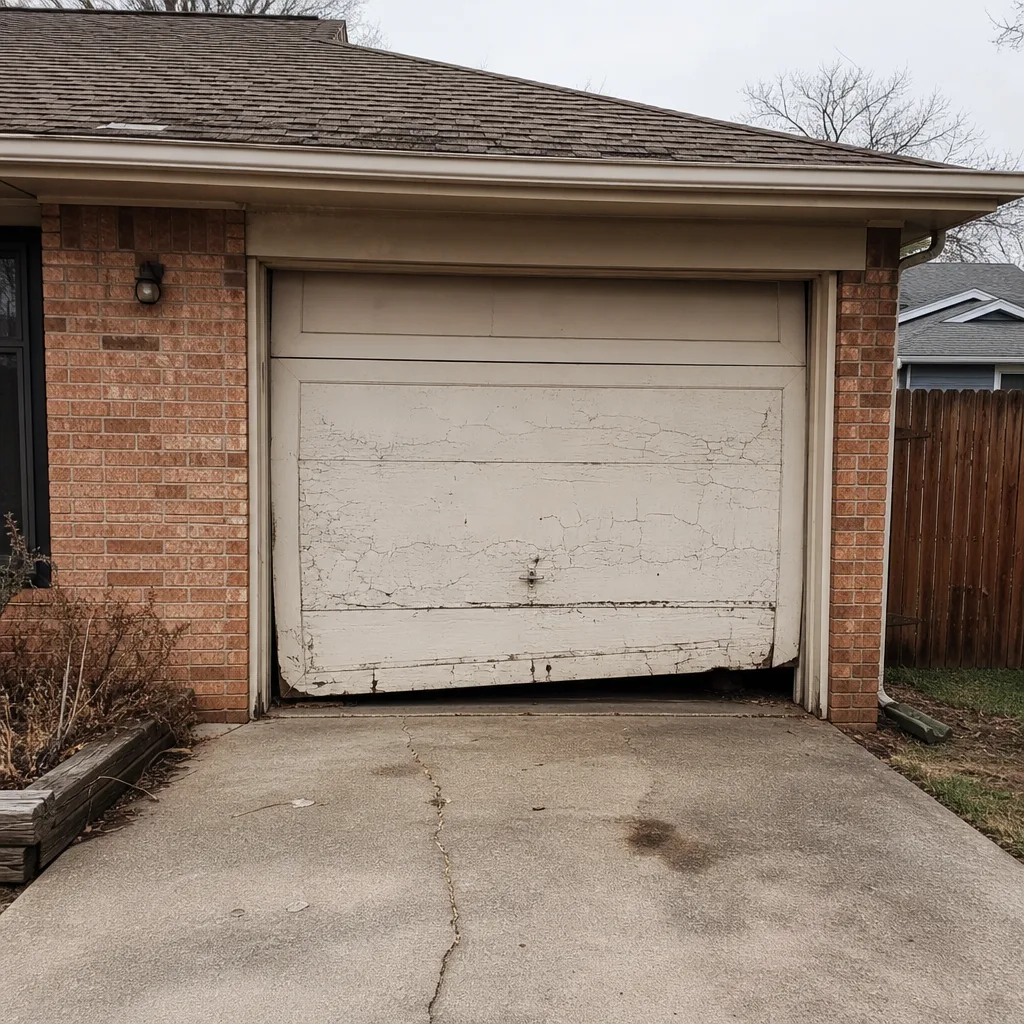 Before
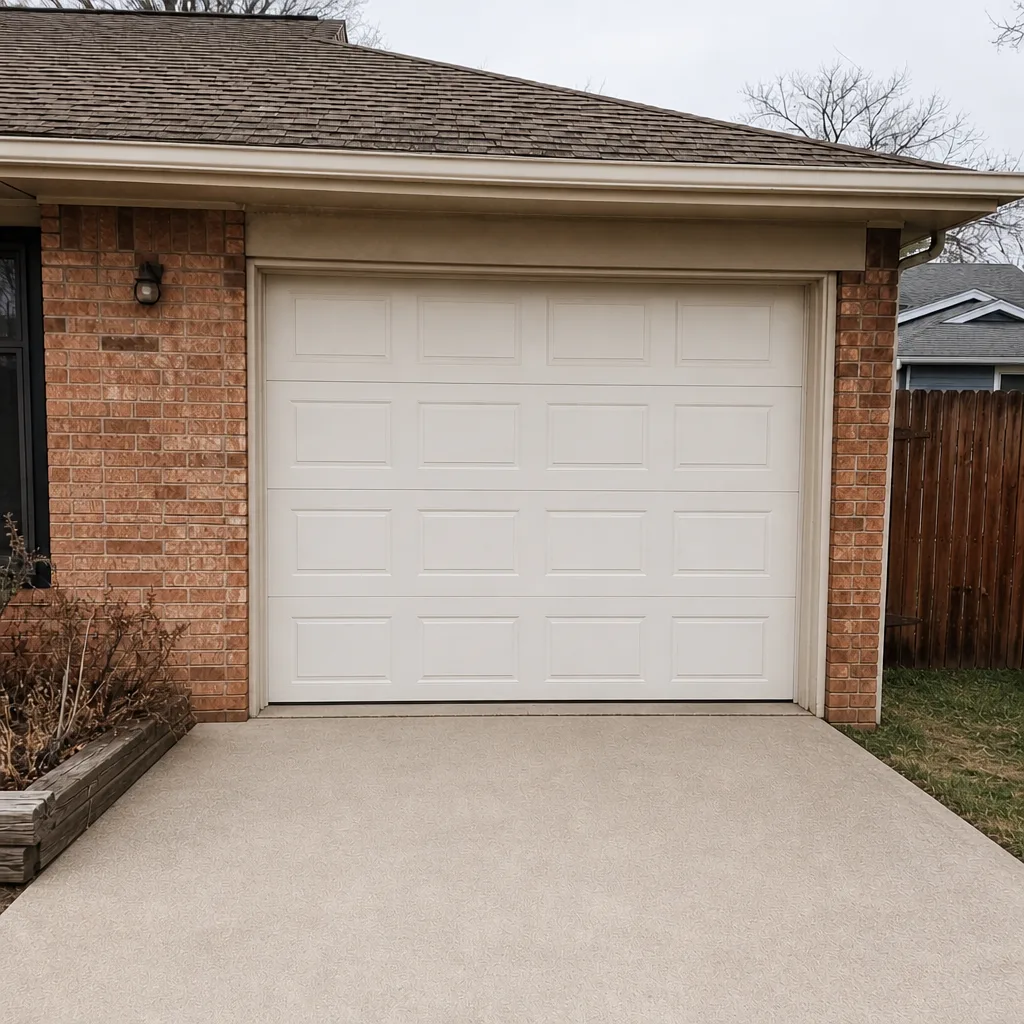 After
When to Call a Professional
Some inspections belong to a trained technician. If the tracks are bowed, if a hinge has pulled from its panel, if the door deflects more than its neighbors when you push against it gently, or if the opener is running but the door isn’t opening smoothly, those are all reasons to call before you use the door again. Springs and opener components are the highest-injury parts of a garage door system; a broken spring under tension can injure an untrained person seriously, and the tracks and hinges that hold the door on its frame are load-bearing parts, not decoration. If the door has taken a debris impact in a storm, call before you operate it. Millbrook Garage Door Repair offers free estimates in Norman – call (866) 942-8099.
Frequently Asked Questions
Garage doors are the largest movable opening in a home’s building envelope, and they present a wide, flat surface that wind pressure pushes against. A garage door is the largest opening in the house and it’s also the weakest. If it deflects far enough, the tracks and rollers give way and the building is open to the pressure inside. Call (866) 942-8099 to have your door’s rating and mounting checked before storm season.
A wind-rated garage door is one tested to withstand a specific design pressure, and the rating is usually on a label on the door or inside panel. If your door has no label, you don’t know its rating – which is a reason to have it looked at. Our team can assess the door you already have. Call (866) 942-8099 for a free estimate.
The manual release cord disconnects the door from the opener motor so you can operate it by hand. Pull the cord only when the door is closed, and check that no one is under the door. A door with broken springs will be extremely heavy – if it doesn’t lift with reasonable effort, stop and call (866) 942-8099 for a free estimate.
No. Bracing a garage door does not change its wind rating and it puts a person next to the door in the moment it’s most likely to fail. Close the door fully, confirm the bottom seal is seated, and get to your shelter. If the door shows damage after the storm, don’t operate it – call (866) 942-8099 for a free estimate.
Norman’s storm season produces outages that last longer than a typical power blip, and each outage without backup means every trip in and out of the garage is a manual release. Most openers from LiftMaster, Chamberlain, Genie and Craftsman support a backup kit. We can tell you whether your opener supports one. Call (866) 942-8099 for a free estimate.
Yes – a door that has taken a load can deflect, return almost to its original position, and still have bent tracks and hinges. It can fail on the first opener cycle after the storm. Sight down the tracks and check the hinges before you run the door, and call if anything looks off. Free estimates in Norman: (866) 942-8099.
The Bottom Line
Garage door tornado preparedness in Norman comes down to three practical acts: know your door’s wind rating (or that you don’t know it), make sure every adult in the house can operate the manual release cord, and inspect the door before you use it after any severe weather. The door is a structural component, and a compromised door that looks fine is the most dangerous state it can be in. Our technicians have up to 11 years of experience working on the brands homeowners in this region actually own – Clopay, Amarr, Wayne Dalton, LiftMaster, Chamberlain, Genie, Craftsman and Raynor – and can help you decide whether your current door needs attention or replacement. Call us for a free estimate and we can look at your door before the next storm season.
Call (866) 942-8099 for a free estimate. We answer 24/7. Fast dispatch from 7am to 7pm, Sunday through Friday.
Written by the team at Millbrook Garage Door Repair.