
Last updated November 16, 2026
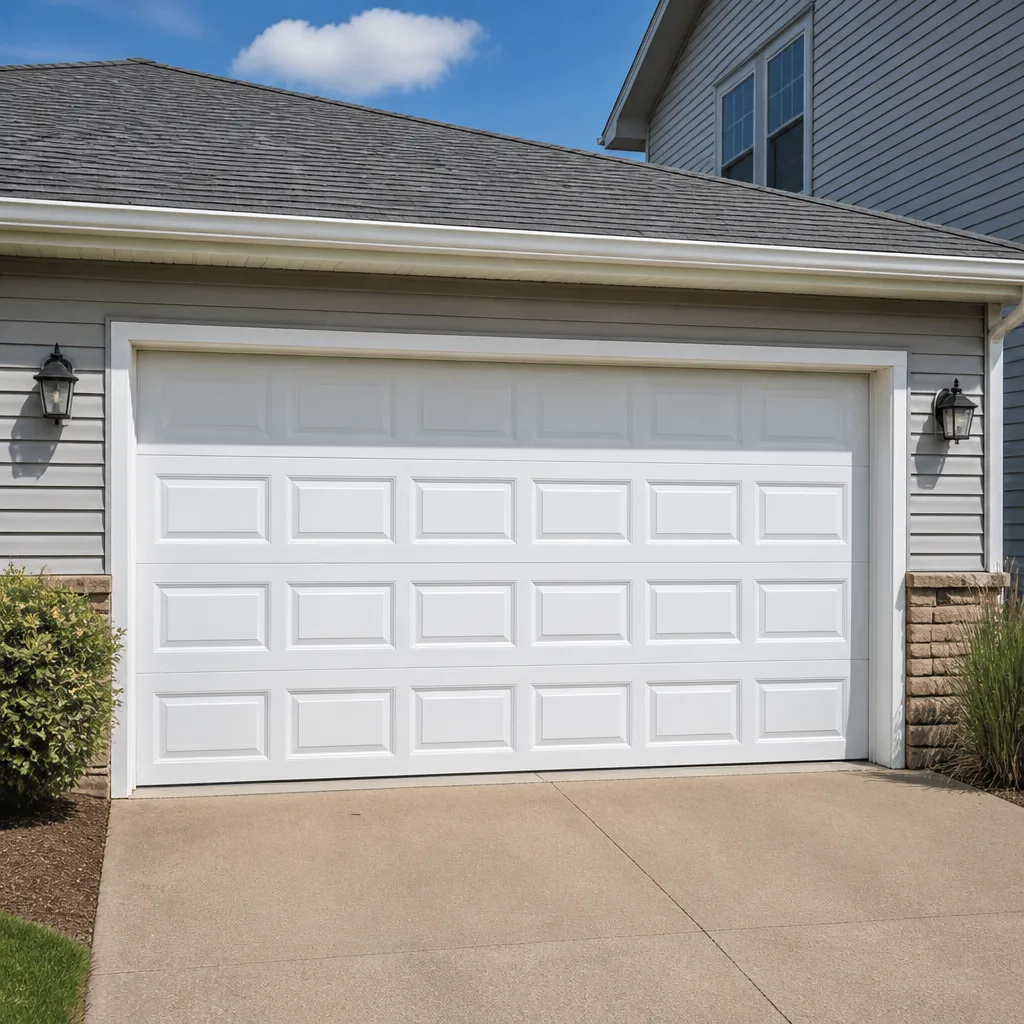 Raised-panel steel
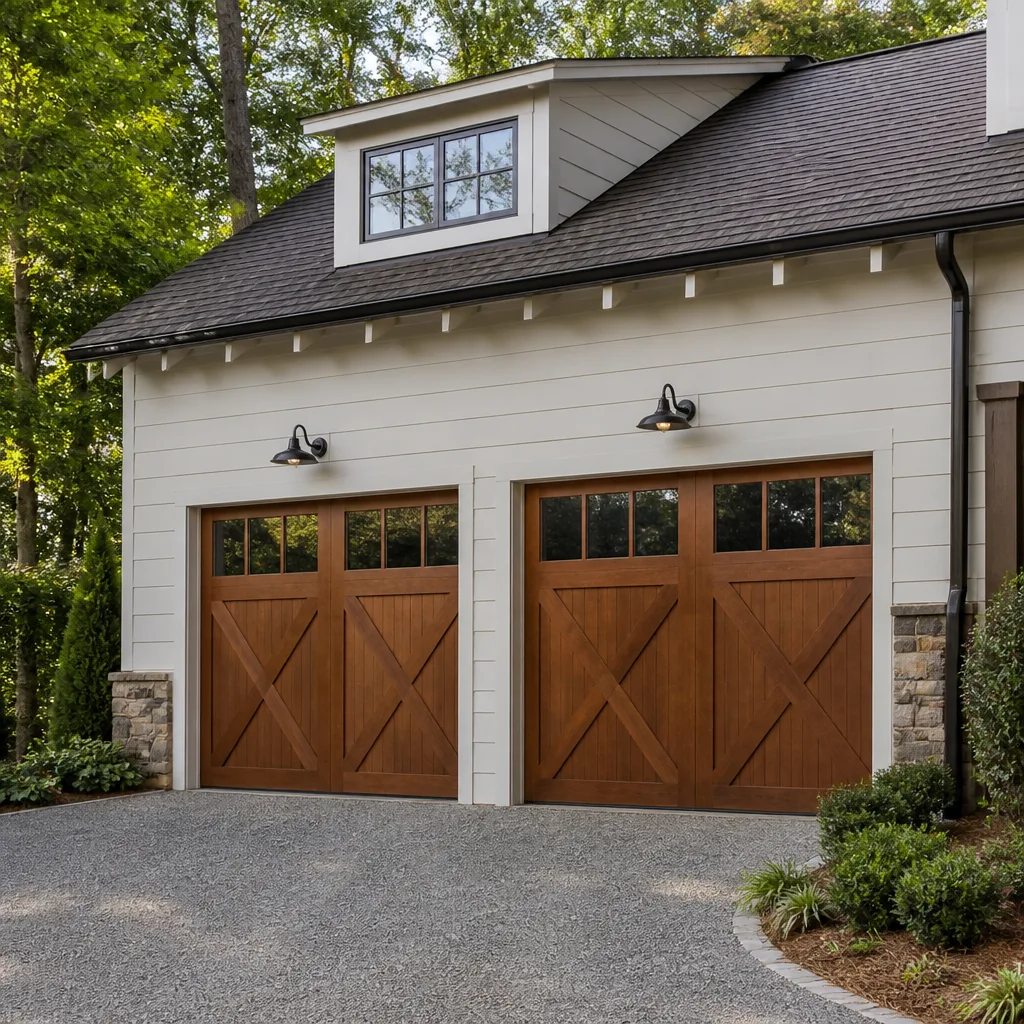 Carriage house
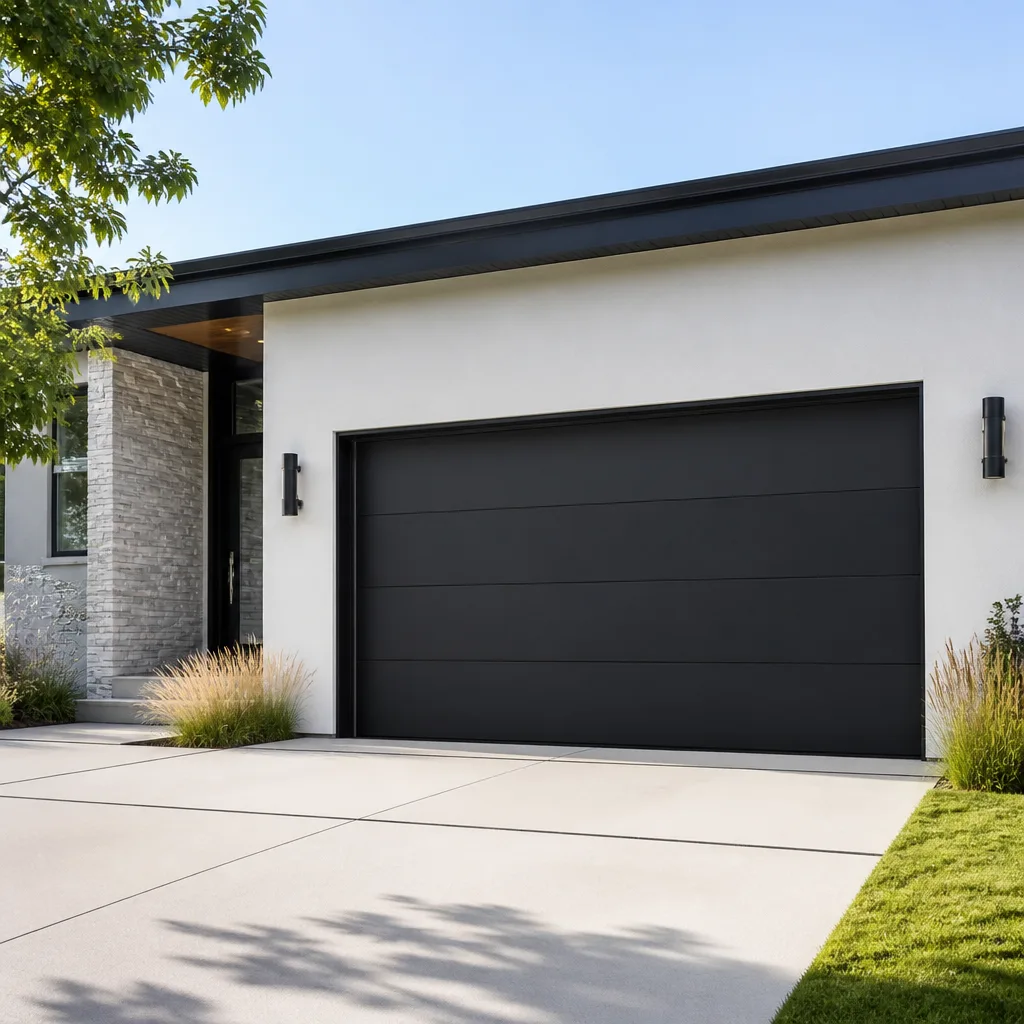 Modern flush
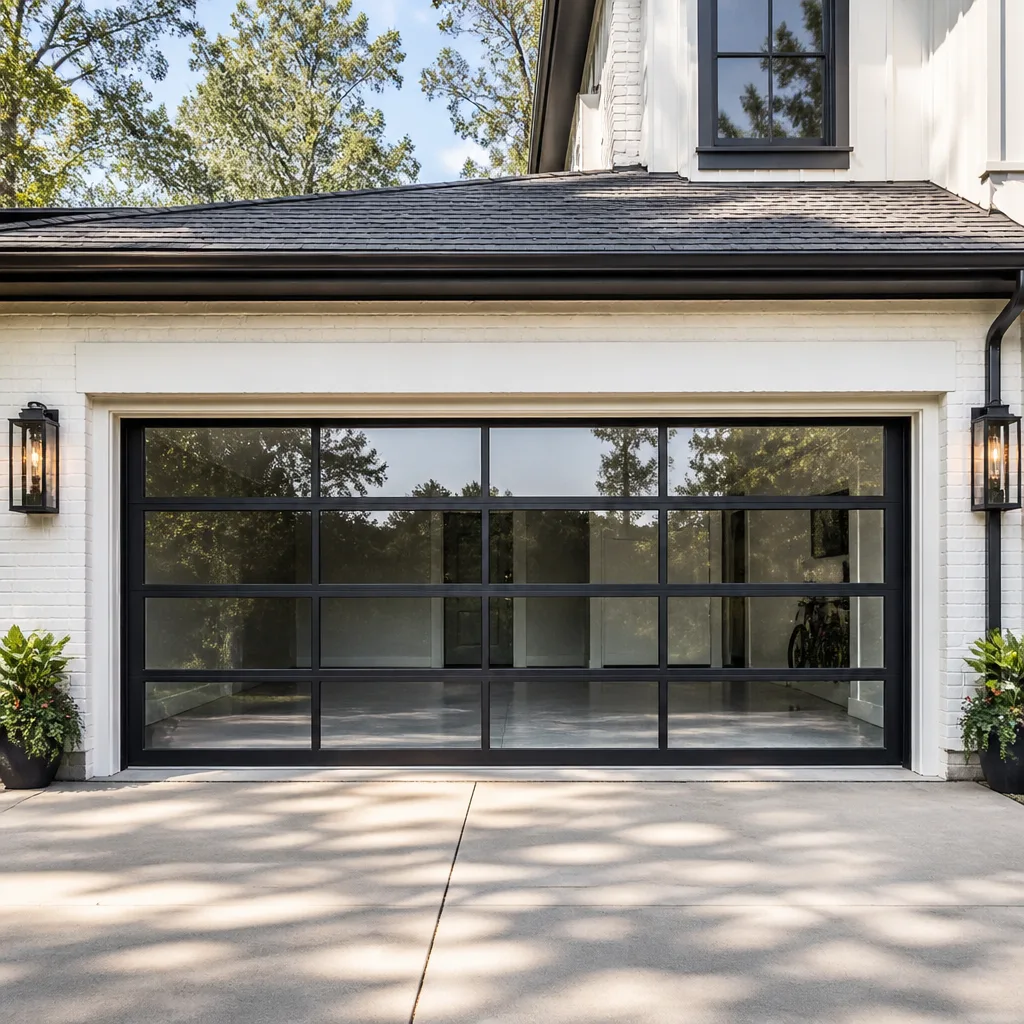 Full-view glass
 LiftMaster openers
 Chamberlain openers
Full 25-point door and opener safety check with every visit - springs, cables, rollers, tracks, and your LiftMaster or Chamberlain opener included
You get a price before we start. It does not change when the pro arrives.
Get your free estimateGarage Door Repair Maintenance Schedule: What to Do and When
Most maintenance guides tell you to lubricate your springs twice a year and call it done. What they leave out is that the same lubricant that protects a torsion spring in a Norman February can turn to gum in August heat, trapping grit against the coil and wearing it faster than if you’d left it alone. A maintenance schedule only works when it’s built around the way a door actually ages through the year, and in Norman that means tornado season, freeze season, and the long stretch of daily heat cycling in between. This guide gives you a month-by-month rhythm tied to local conditions, a ten-minute inspection you can run yourself, and a clear line between the parts that wear predictably and the parts that fail without warning.
Quick Answer
In Norman, a garage door needs a light monthly inspection, lubrication of springs, hinges, and rollers roughly every three months (timed to the season, not just a calendar), a balance and safety-reverse test every six months, and a full professional tune-up once a year. Do the heavier checks in spring before tornado season and in late fall before the first freeze. Components like springs, rollers, and cables wear on a predictable curve; sensors, brackets, and hinges can fail suddenly and need checking more often than they need servicing.
Styles & brands we work with
- Raised-panel steel
- Carriage house
- Modern flush
- Full-view glass
- LiftMaster openers
- Chamberlain openers
Table of Contents
- Why a Norman Maintenance Calendar Looks Different
- The Month-by-Month Schedule for Norman
- Five Parts That Wear Predictably and Three That Fail Without Warning
- Choosing the Right Lubricant by Component and Season
- The Ten-Minute Visual Inspection That Catches Most Problems
- How to Document Your Door’s Maintenance History
- What You Can Safely Do Yourself and What You Can’t
- Common Mistakes to Avoid
- When to Call a Professional
Why a Norman Maintenance Calendar Looks Different
National maintenance advice assumes a mild, steady climate. Norman doesn’t have one. A door here lives through humid summer stretches where the wood or steel panels sweat and the lubricant on moving parts collects dust, then a hard freeze that stiffens the grease in the opener’s rail and shrinks the metal just enough to change clearances, then the spring storm season that brings wind-driven rain straight at the door’s weather seal. Each of those transitions stresses a different part of the system.
The practical result is that a single “twice a year” schedule is too loose and a rigid monthly checklist is too much work. What works better is a rhythm that shifts the heaviest checks to the two seasonal turning points and keeps the light work spread across the months in between. That rhythm is the backbone of everything we recommend in this guide, and it’s the same one our technicians use when they walk a Norman homeowner through their door’s condition.
Two more local factors shape the schedule. First, Norman sits in the heart of tornado country, which means the door has to be able to close fully and seal against windblown debris and water during the storm months. A door that’s out of balance or has a worn bottom seal will let both in. Second, the clay-heavy soil across much of Norman shifts with moisture, and that shifting shows up at the door slab and the opener’s floor-mounted components. An uneven driveway at the door opening is a maintenance signal, not a cosmetic annoyance.
If your door is in a home near the older neighborhoods close to downtown Norman, or out toward the newer subdivisions on the east side, the calendar is the same but the parts that wear first will differ. Older doors tend to show hinge and roller wear first. Newer doors with smart openers tend to show connectivity and sensor drift first. Our technicians have up to 11 years of experience and have worked on both kinds of systems across Norman, so we know what to look for either way.
The Month-by-Month Schedule for Norman
The schedule below is organized by the seasons that actually matter here: the spring storm window, the summer heat, the fall transition, and the first freeze. You don’t need to do every task every month. You need to hit the right task at the right time.
Spring: Before Tornado Season
- Test the safety reverse. Place a roll of paper towels under the door and close it. The door should reverse on contact. If it doesn’t, the opener needs adjustment before storm season.
- Check the balance. Disconnect the opener and lift the door halfway. It should stay put. A door that drifts down or springs up is out of balance and will stress the opener.
- Inspect the bottom seal and weatherstripping. A worn seal lets wind-driven rain past the door. Replace it if it’s cracked or flat.
- Lubricate hinges, rollers, and the torsion spring with a light application suited to warmer weather. More on product choice below.
- Check the track for debris and alignment. Storms blow grit and leaves into the track; a bent track section is a repair, not a maintenance item.
Summer: Managing Daily Heat Cycling
- Watch for opener strain. In sustained heat, the opener’s gears and rail can run louder. A door that opens slower than it did in spring is a sign of added resistance.
- Re-check the rollers. Heat softens the nylon on nylon rollers and can make them flat-spot. Listen for a thumping sound.
- Keep the tracks clean. Summer dust settles in the rail; wipe it out and reapply a light lubricant if needed.
Fall: Before the First Freeze
- Lubricate with a cold-weather-appropriate product. Heavy grease stiffens in a Norman freeze and puts load on the opener. Switch to a lighter lubricant before the first cold snap.
- Check the door’s seal at the bottom and sides. A door that doesn’t close tightly lets cold air in and lets moisture freeze at the threshold.
- Test the opener’s force setting. Cold metal resists more, and an opener set too close to its limit will strain.
- Inspect the springs visually for gaps or wear. A spring close to failure often shows a visible gap or a stretched coil. Don’t touch it, but note it.
Winter: The Light Months
Once the freeze has set in, keep the work minimal. A monthly visual walkaround and a listen for unusual noise is enough. Save any heavier servicing for the thaw.
If a seasonal check turns up a problem you can’t fix on your own, that’s the moment to book garage door repair rather than waiting for the next scheduled check. A small issue caught in spring is a tune-up. The same issue found in a storm is an emergency.
Five Parts That Wear Predictably and Three That Fail Without Warning
One of the most useful things you can learn about your door is which parts wear on a curve and which parts fail all at once. The first group you can plan around. The second group you have to check regularly because there’s no advance warning.
Parts that wear predictably
- Torsion springs: They cycle on a known count, so a spring’s life can be estimated from how often the door opens. A door used several times a day will wear its springs faster than one used twice.
- Rollers: Nylon rollers wear as they roll; steel rollers wear the track. Either way, they develop flat spots or noise over time.
- Hinges: Each hinge pivots every time the door moves. Over years they loosen, squeak, and eventually need replacement.
- Bottom seal and weatherstripping: Sun and temperature change degrade the rubber on a predictable timeline.
- Opener drive gear and belt: The drive components wear in proportion to use. A door that opens and closes many times a day will wear these sooner.
Parts that fail without warning
- Safety sensors: Alignment drifts after a bump or a temperature shift. A misaligned sensor stops the door from closing and gives no warning.
- Cables: A cable can snap suddenly from a single weak point, often during a cold snap or a heavy wind event.
- Bolts and brackets: Vibration loosens hardware gradually, but the failure is sudden. A bracket that lets go mid-operation is a real hazard.
The takeaway is simple: schedule the predictable wear, and inspect the unpredictable parts more often than you service them. For a Norman homeowner, that means a spring and roller replacement plan built around use, and a monthly check on sensors and hardware. If you’re not sure which group a given part belongs to, our team can tell you during a Millbrook Garage Door Repair visit.
Choosing the Right Lubricant by Component and Season
This is the part most guides skip. “Use garage door lubricant” is not useful advice, because the product that works in August is not the product that works in January. Here’s how to pick by component and by season.
By component
- Springs: A light, clean lubricant that penetrates the coil and doesn’t hold grit. Avoid anything sticky.
- Hinges and rollers: A slightly heavier lubricant that stays in the pivot points. Silicone-based sprays work well here.
- Tracks: No grease. A dry or very light lubricant only, because grease in the track collects dust and turns the track into a grinding surface.
- Opener rail and drive belt: Follow the opener manufacturer’s recommendation. Most LiftMaster, Chamberlain, and Genie systems specify a particular type, and using the wrong one can cause the belt to slip.
By season in Norman
- Warm months (roughly late spring through early fall): A lighter lubricant that won’t collect summer dust. In heat, heavier products thin out and run, so a lighter one stays where you put it.
- Cold months (first freeze through thaw): A lubricant that doesn’t stiffen at low temperature. A heavy grease in a Norman freeze can add real resistance to the opener.
A common mistake is to use the same product year-round. The right approach is to switch at the seasonal turning points, which is exactly why the schedule above puts lubrication in spring and fall rather than on a flat calendar. If you’ve been using the same product for years and the door still runs well, that’s fine; the important thing is to notice when it starts running harder and to change the approach.
The Ten-Minute Visual Inspection That Catches Most Problems
You can catch the large majority of developing problems with a short walkaround. Do this once a month, and it takes less time than brewing a pot of coffee.
- Look at the springs. A gap or a visibly stretched coil means it’s close to failing. Note it and call a professional; don’t touch it.
- Look at the cables. Check for fraying, kinks, or slack. A cable under tension that’s starting to fray is a warning sign.
- Look at the rollers. Spin one by hand. A roller that wobbles or grinds needs attention.
- Look at the hinges. Check for loose screws and wear at the pivot. Tighten what’s loose and note what’s worn.
- Look at the tracks. They should be straight and clear. Any bend is a repair.
- Look at the bottom seal. Cracks or a flat edge mean it’s done its job long enough.
- Test the sensors. Confirm both lights are solid, then wave an object in front of one to confirm the door reverses.
- Listen to the door. A rattle, thump, or grind you didn’t hear last month is the earliest sign of a problem.
That checklist is the single most valuable piece of maintenance you can do, because it catches the things that don’t announce themselves. A door that runs quietly in Norman one month and grinds the next almost always showed a warning the month before.
How to Document Your Door’s Maintenance History
Keeping a simple maintenance log pays off in three ways: it prevents paying twice for the same repair, it supports any manufacturer warranty claim on the door or opener, and it gives any technician a clear picture of how the door has been treated. Here’s what to record.
- Date and task: What you did (lubricated, tested, replaced a roller) and when.
- Part details: For anything replaced, note the brand and model. This matters if you own a Clopay or Raynor door and later need a compatible spring or a matching panel.
- Opener model: LiftMaster, Chamberlain, Genie, and Craftsman systems all have specific service requirements. Recording the model makes future service faster.
- What changed: Any new noise, slower operation, or adjustment.
- Professional visits: Any work done by a technician, with what was serviced.
We’ve seen plenty of doors where a prior repair wasn’t documented, and the next homeowner paid for a diagnosis that would have taken a single line in a log. A note on your phone or a sheet taped inside the garage is enough. It doesn’t need to be formal; it needs to exist.
What You Can Safely Do Yourself and What You Can’t
Some maintenance is genuinely a homeowner task. Some is not, and the difference is not about skill. It’s about physical risk.
Safe for you
- Visual inspection of springs, cables, rollers, and hinges
- Lubricating hinges, rollers, and the torsion spring
- Cleaning the tracks
- Testing the safety reverse and sensors
- Replacing the bottom seal or weatherstripping
Not safe for you
- Replacing torsion springs or cables. A torsion spring stores enough energy to cause serious injury, and working on one without the correct winding bars and the right procedure is genuinely dangerous. Leave this to a trained technician.
- Adjusting the opener’s force limit or travel limits if you’re not confident in the procedure. A miscalibrated opener can fail to reverse and that’s a safety hazard.
- Any work on the opener’s electrical connections. Wiring is always a licensed-professional task.
Our standing advice is to inspect freely and repair carefully. If a spring or cable is involved, call a professional. The cost of a service call is trivial next to the risk of a spring repair done wrong.
Common Mistakes to Avoid
- Lubricating on a fixed calendar instead of by season. A product that works in August can stiffen in a Norman freeze. Switch at the seasonal turning points.
- Using grease in the tracks. It collects dust and turns the tracks into a grinding surface. Use a dry or very light lubricant only.
- Ignoring a new noise. A rattle or grind is the earliest warning you’ll get. Waiting until the door stops moving turns a tune-up into a repair.
- Assuming a smart opener can’t drift. Even a LiftMaster or Chamberlain system can lose sensor alignment after a bump or a temperature swing. Test the sensors monthly.
- Skipping the balance test. A door out of balance stresses the opener and the springs. Test it every six months, not once a year.
- Choosing a replacement part by price alone. A roller or spring that doesn’t match the door’s rating will wear faster than the original. Match the part to the door.
- Not documenting the work. A repair you can’t prove happened is a repair you may pay for twice, and an undocumented history can hurt a warranty claim.
When to Call a Professional
Some maintenance is a homeowner task, and some is not. Call a professional when a spring shows a gap or a stretch, when a cable is frayed or slack, when the door is out of balance after you’ve checked the obvious, when the opener won’t reverse on a sensor test, when a track is bent, or when the door has started making a sound you can’t explain. Any of those signals is the point at which a diagnosis saves money over a guess. In Norman, we also recommend a professional visit before tornado season if your door hasn’t been serviced in a year, because a door that won’t seal or close fully is the one you want to find out about before the wind arrives.
garage door repair is what we do, alongside garage door opener repair, and we cover both under one call. We work on the brand you already have, whether that’s a Raynor door, a LiftMaster opener, or a Genie system. Millbrook Garage Door Repair offers free estimates in Norman. Call (866) 942-8099.
See the difference
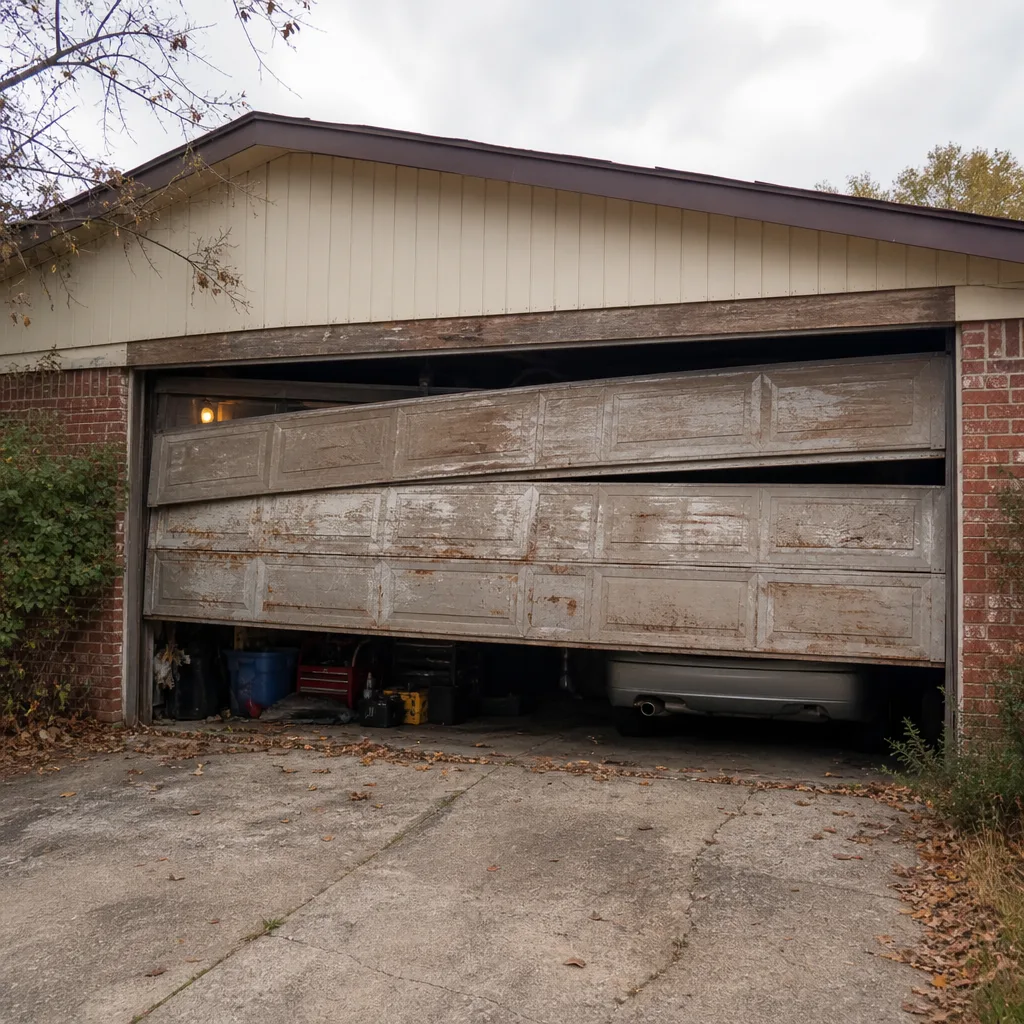 Before
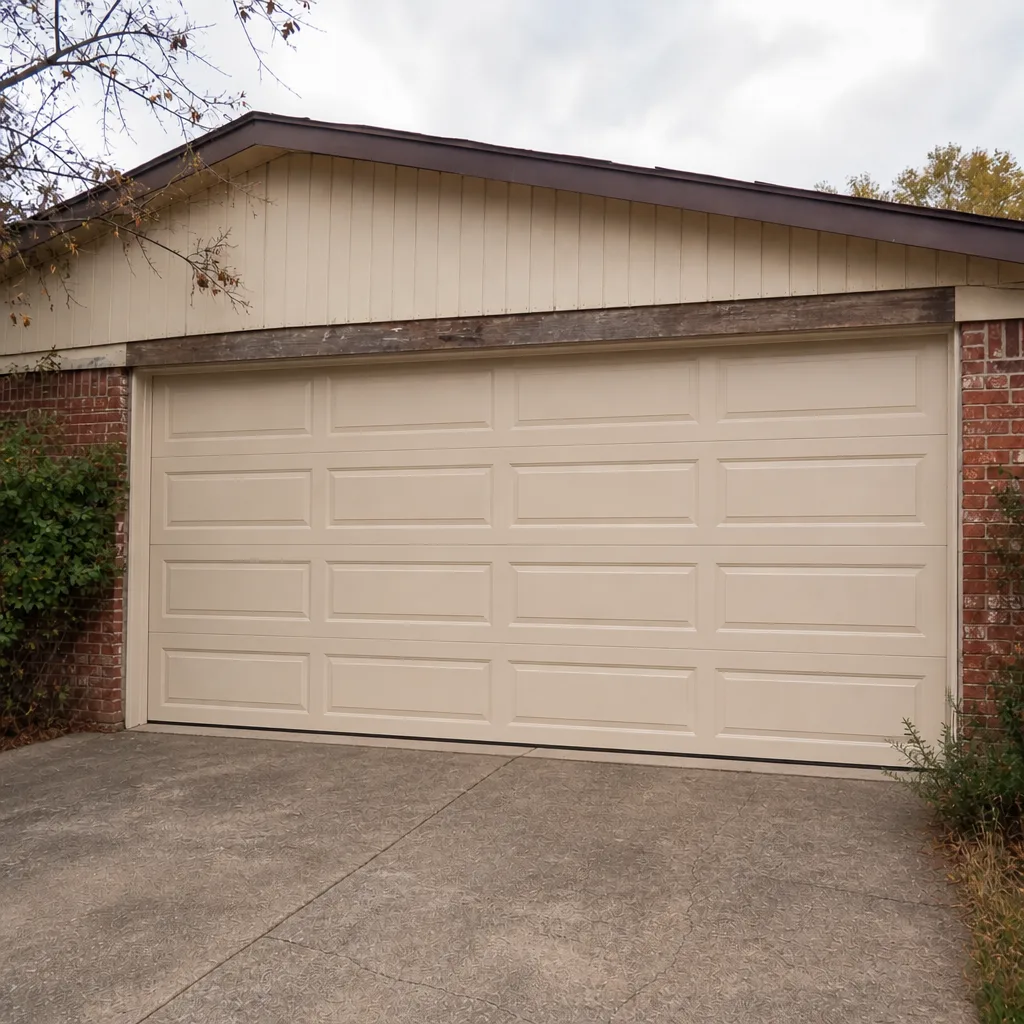 After
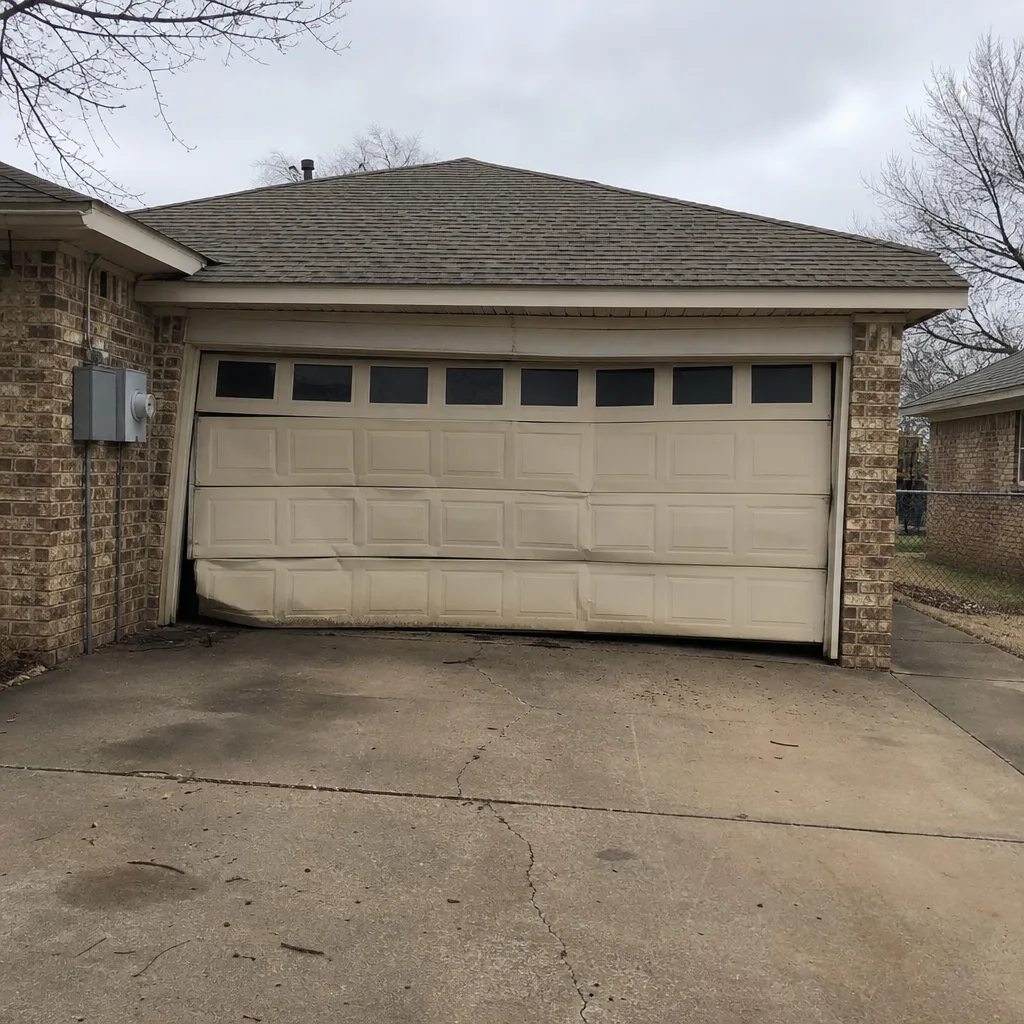 Before
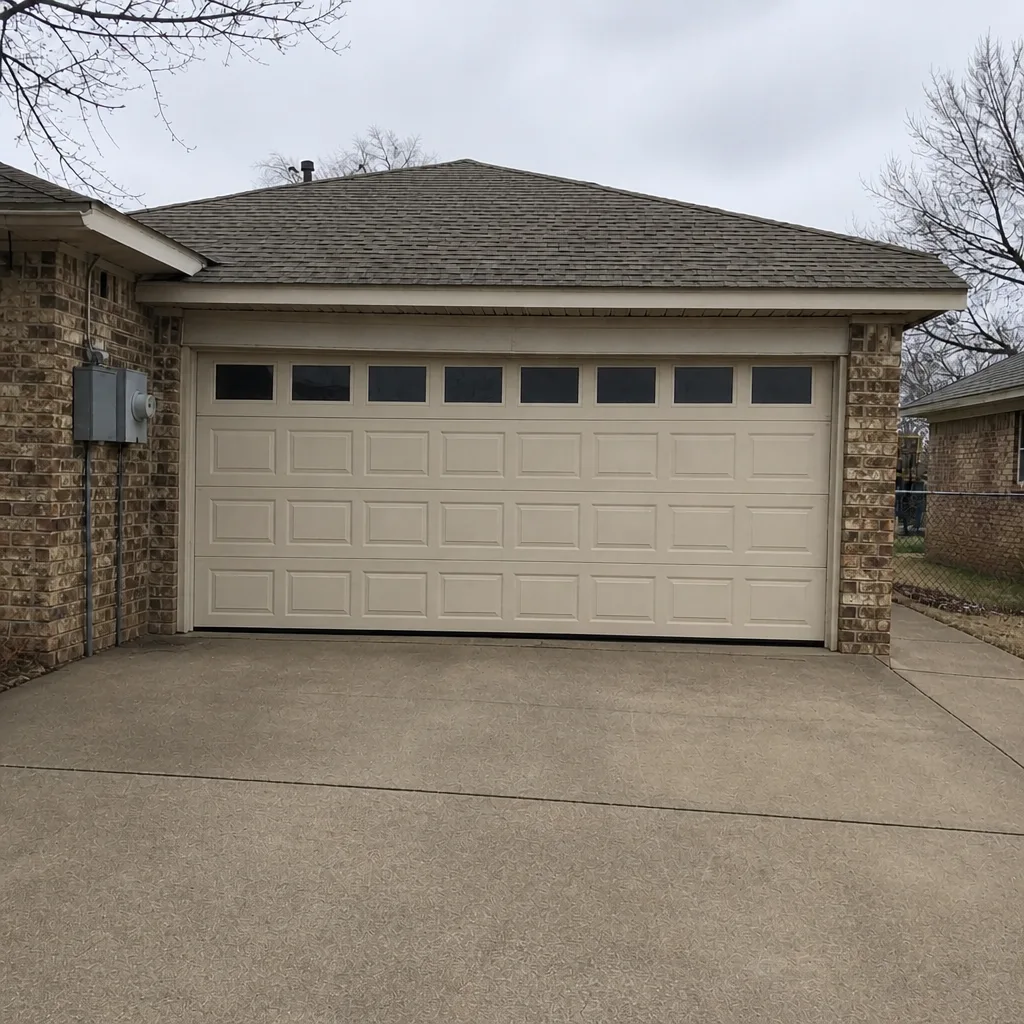 After
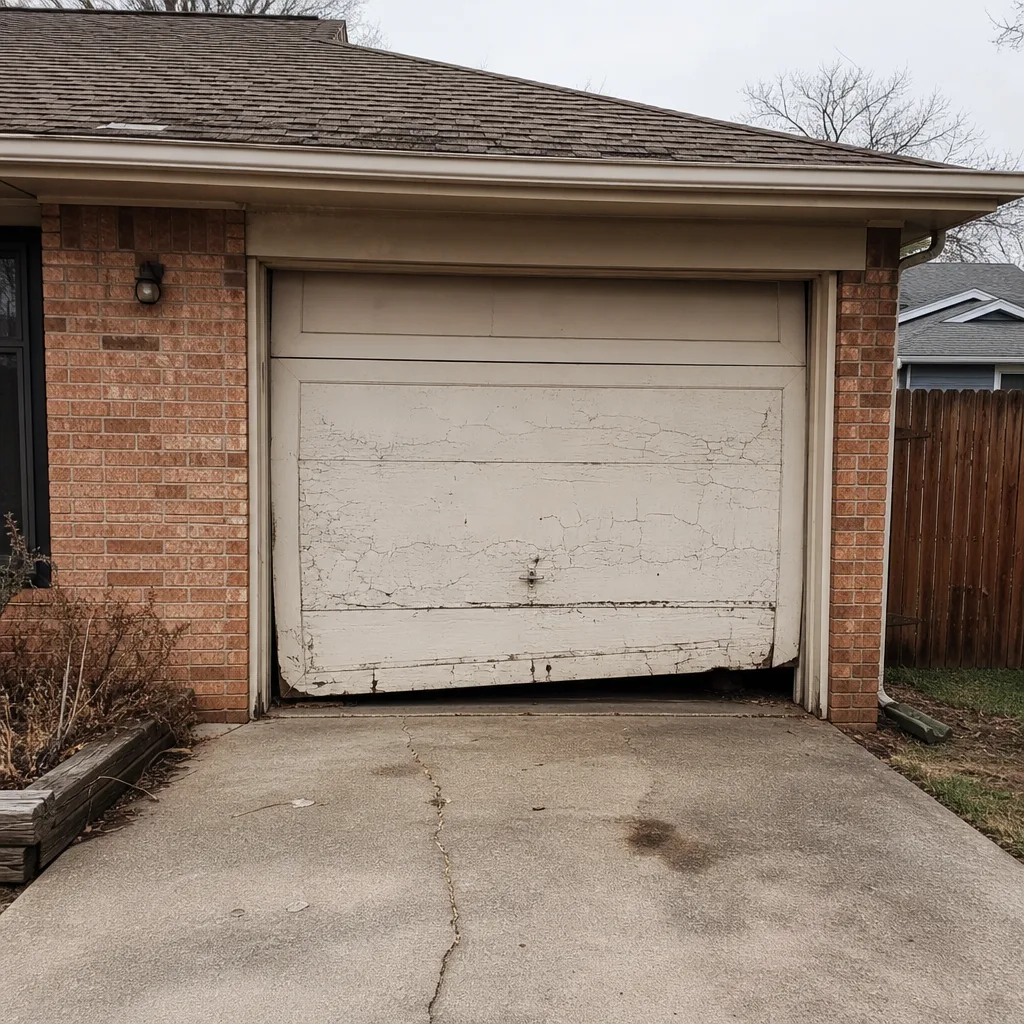 Before
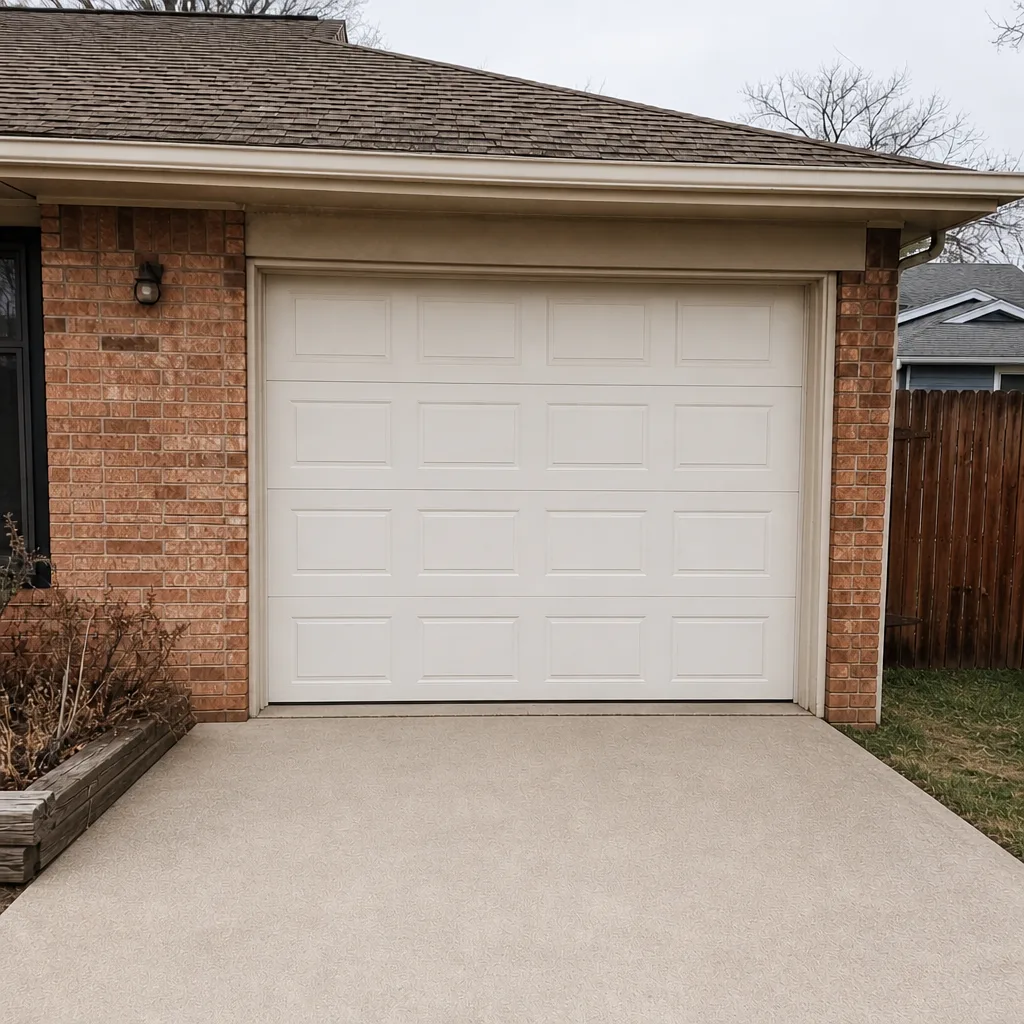 After
Frequently Asked Questions
Lubrication and a light inspection every three months, a balance and safety-reverse test every six months, and a full professional tune-up once a year. The two calendar points that matter most in Norman are the spring check before tornado season and the fall check before the first freeze, because those are the two transitions that stress the door hardest.
Yes, and this is the part most guides miss. In summer heat you want a lighter product that won’t collect dust; in the cold months you want one that won’t stiffen and load the opener. Switch at the two seasonal turning points, and use a dry or very light lubricant on the tracks regardless of season.
Worn springs and misaligned safety sensors are the two most common, and they’re on opposite sides of the maintenance equation. Springs wear predictably and can be planned for; sensors drift suddenly and need monthly testing. A close third is a worn bottom seal, which lets wind-driven rain and cold past the door.
We don’t recommend it, and it’s not about skill. A torsion spring stores enough energy to cause serious injury, and a wrong procedure can be genuinely dangerous. We’d rather you call and let a technician handle it, then document it in your maintenance log.
If the door’s frame and panels are sound and the problem is mechanical (springs, rollers, opener), repair is usually the better investment. If the panels are damaged, the door is out of balance repeatedly, or you’re upgrading for durability or curb appeal, replacement makes more sense. We’ll tell you which one actually makes sense after looking at it. If you’re considering a new door, our team can help you choose from brands like Clopay, Amarr, Wayne Dalton, and Raynor.
Only slightly. A LiftMaster, Chamberlain, or Genie smart opener needs the same mechanical maintenance as a standard one, plus a periodic check on connectivity and sensor alignment. The monthly sensor test matters more, because a smart system still won’t close if the sensors are blocked or drifted.
The Bottom Line
A maintenance schedule that actually works is built around how the door ages in your climate, not a national calendar. In Norman, that means hitting the spring and fall turning points hard, keeping the light work spread across the months in between, and testing the parts that fail without warning more often than you service the ones that wear predictably. Lubricate by component and season, run the ten-minute inspection monthly, and keep a simple log. When a spring, a cable, or a safety setting is involved, call a professional rather than risk it. Our technicians have up to 11 years of experience and cover the eight major brands, so whichever system is in your garage, we know it well. If you’re in the Norman area and your door is overdue for a check, we’re glad to take a look and tell you what it actually needs.
Call (866) 942-8099 for a free estimate. We answer 24/7. Fast dispatch from 7am to 7pm, Sunday through Friday.
Written by the team at Millbrook Garage Door Repair.