
Last updated November 16, 2026
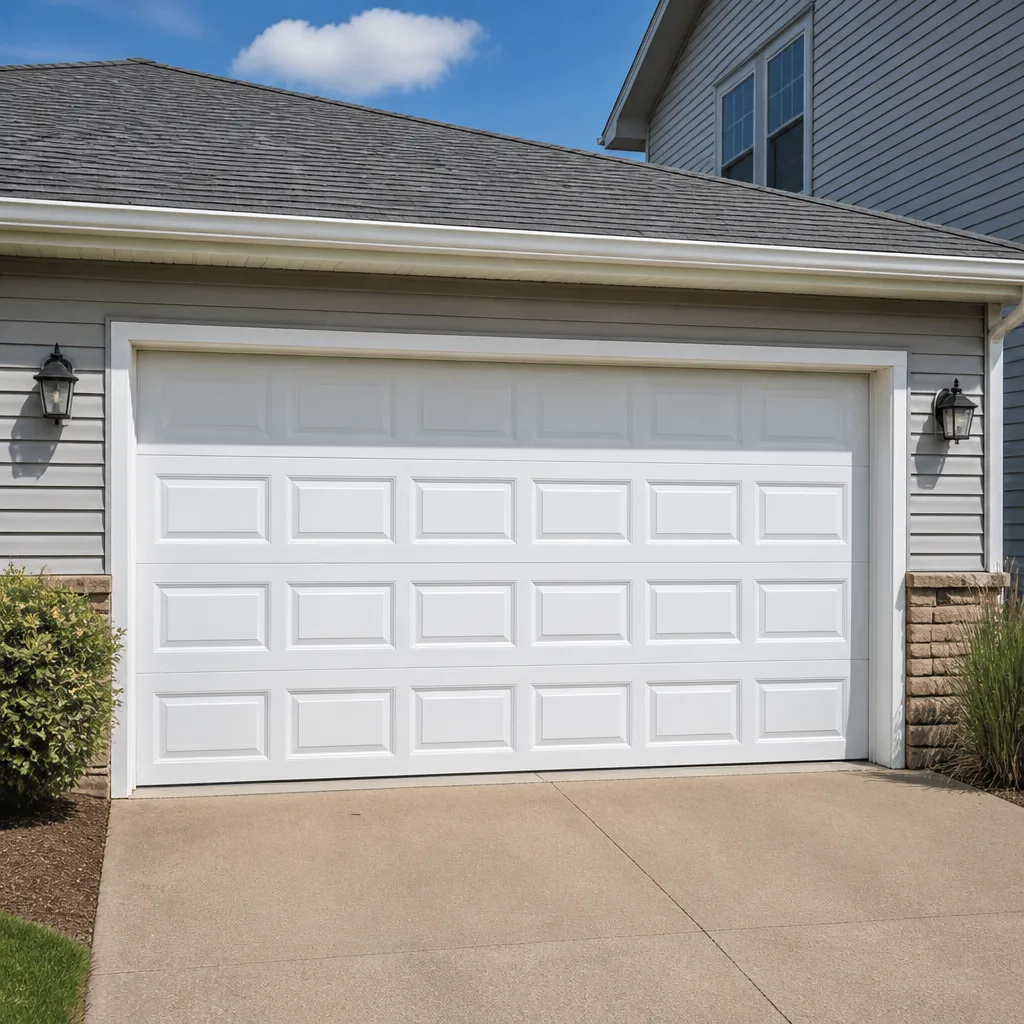 Raised-panel steel
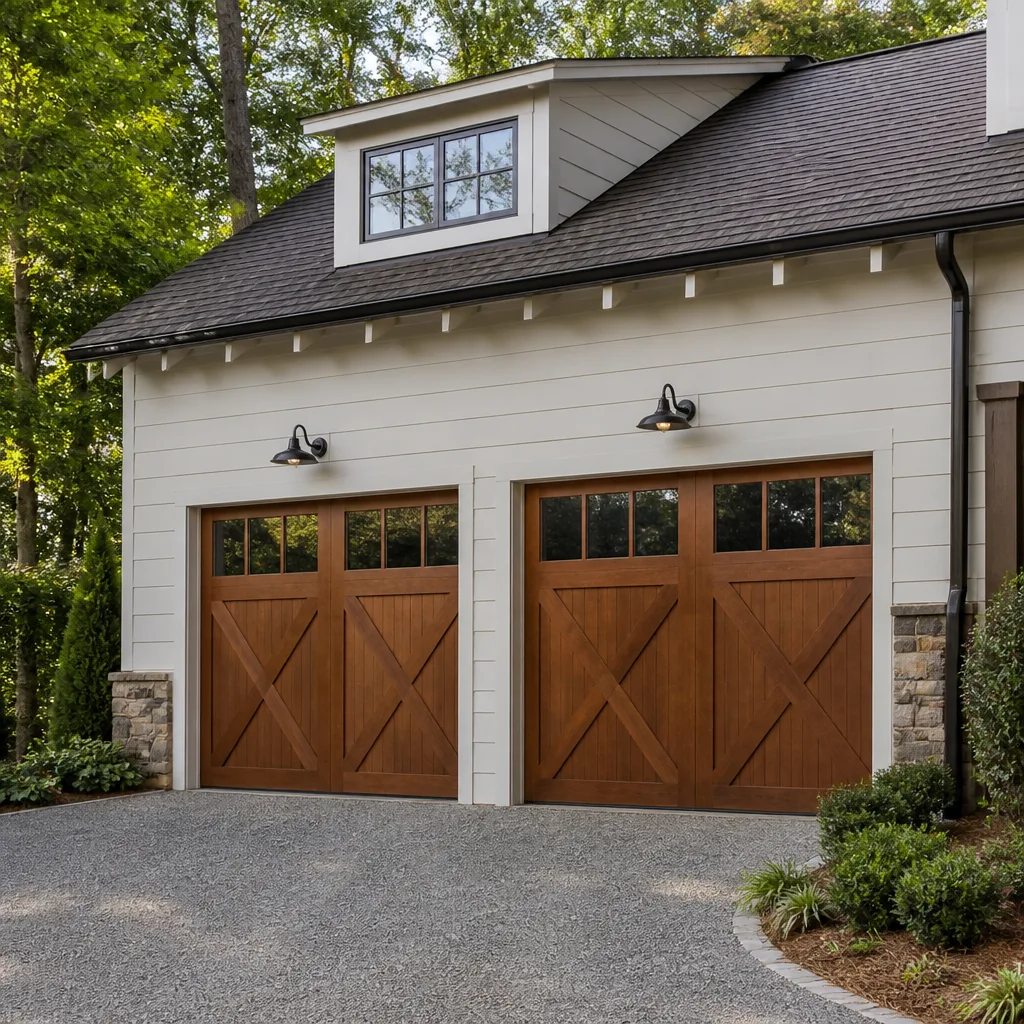 Carriage house
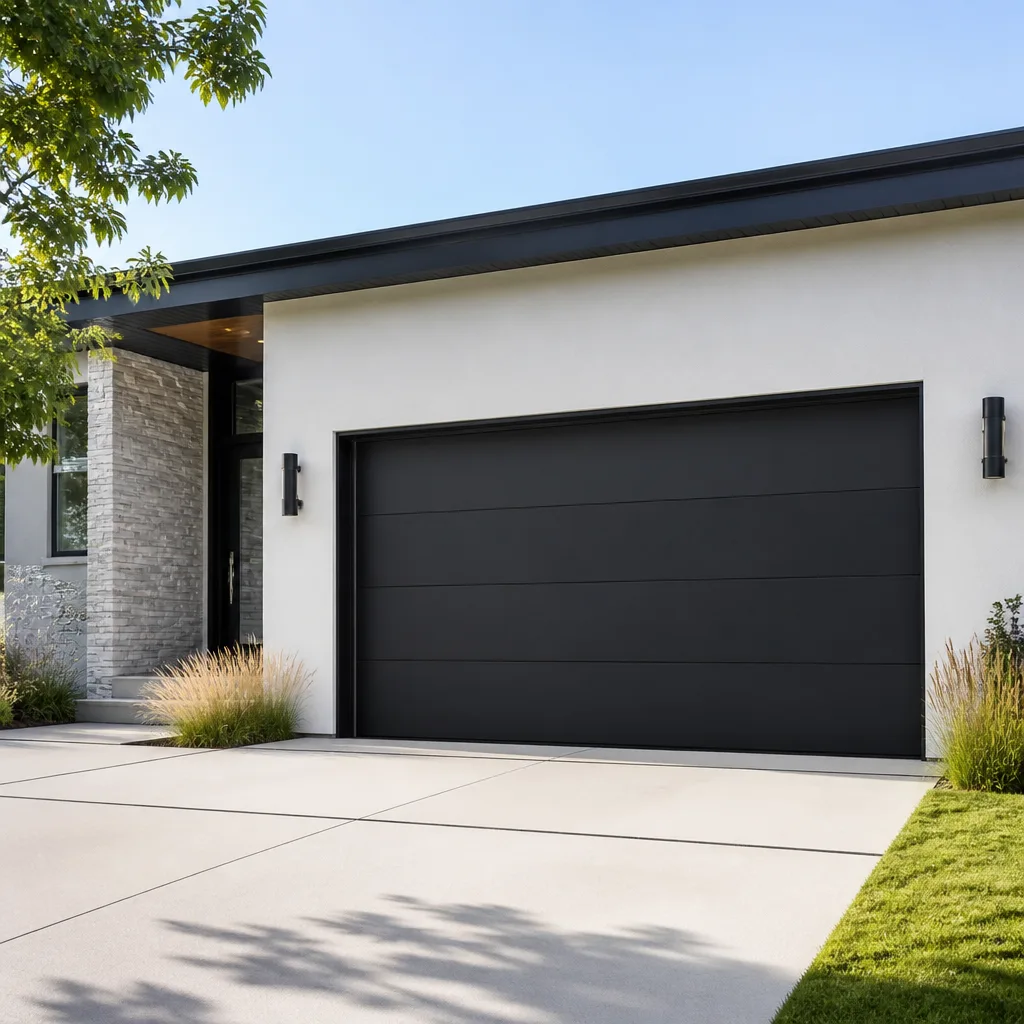 Modern flush
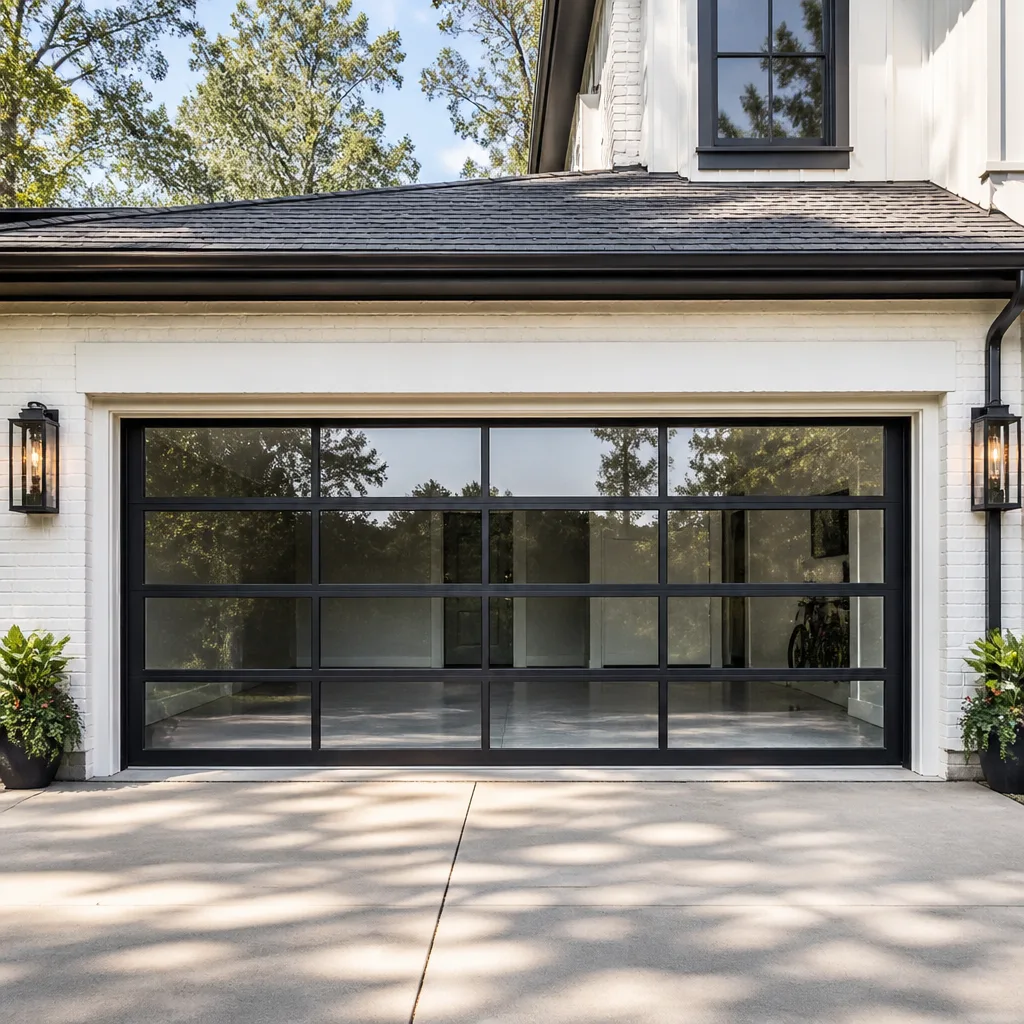 Full-view glass
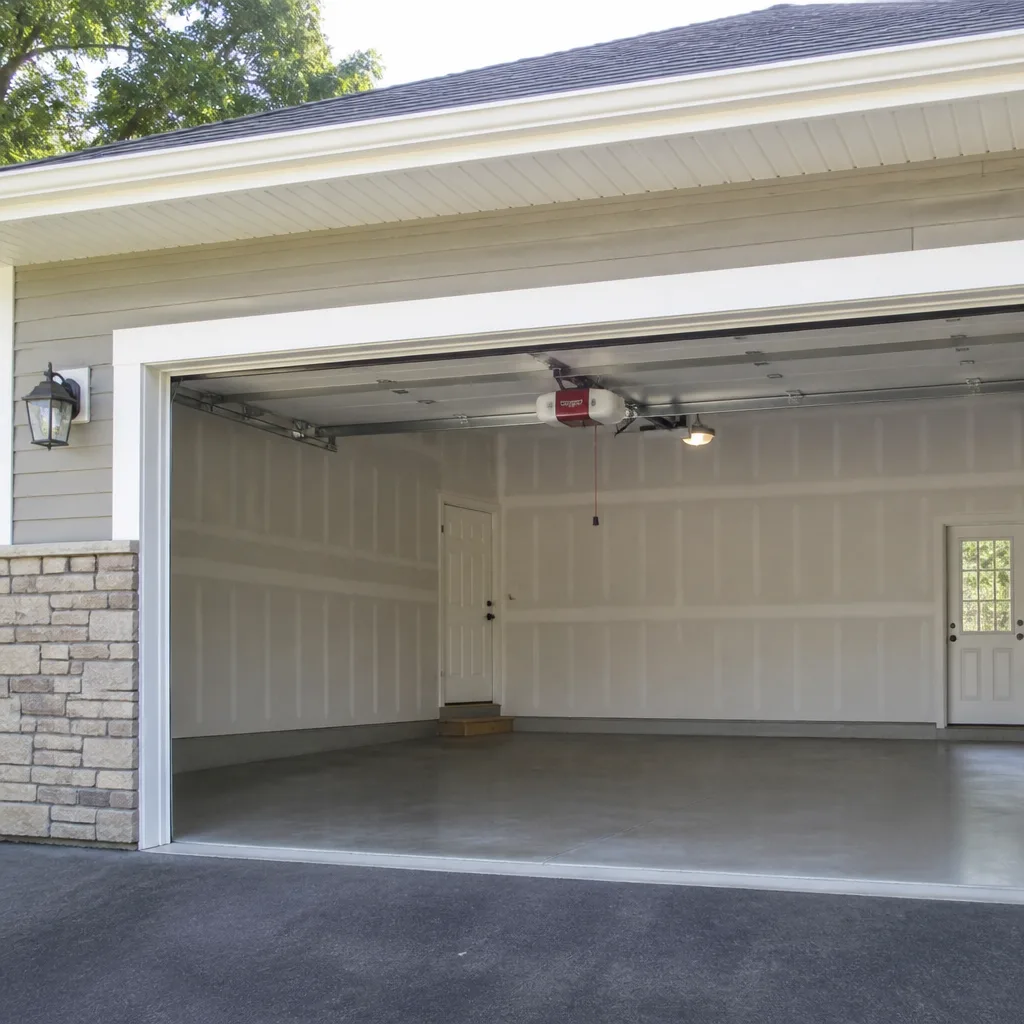 LiftMaster openers
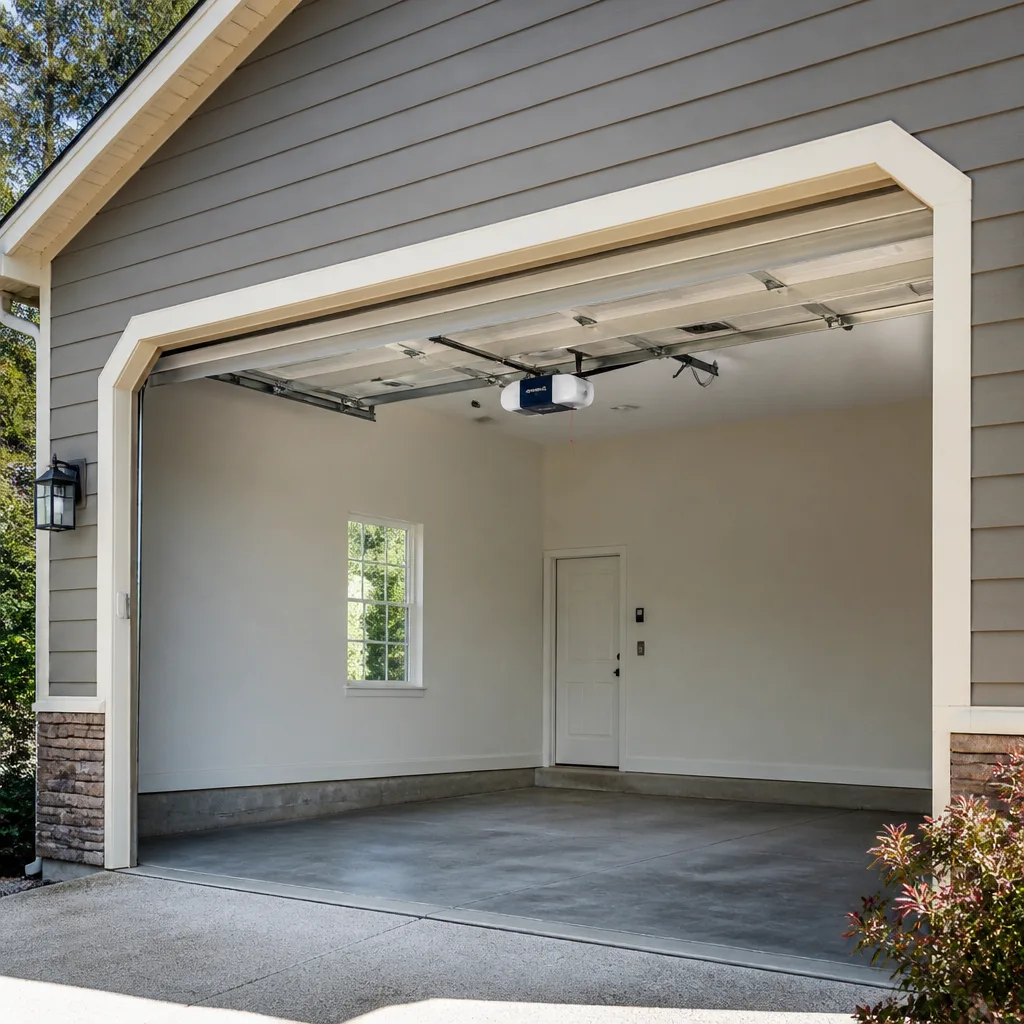 Chamberlain openers
Full 25-point door and opener safety check with every visit - springs, cables, rollers, tracks, and your LiftMaster or Chamberlain opener included
You get a price before we start. It does not change when the pro arrives.
Get your free estimateGarage Door Warning Signs: A Norman Homeowner’s Reference Guide
A broken garage door spring doesn’t announce itself the morning it breaks. It announces itself three months earlier with a sound most people dismiss as “the door being loud.” That’s the trap. Garage doors are the largest moving part of a house, and they give you warning after warning before something fails – a grind here, a hesitation there, a thin gap in a spring coil you’d only notice if you got close. This guide is a translation key for what your door has been telling you, and how those warnings read in Norman, where red clay dust, humid summers and freeze-thaw winters all leave their mark.
Quick Answer
The most reliable garage door warning signs are unusual sounds (grinding, popping, squealing, banging), visible wear (frayed cables, flat-spotted rollers, gaps in springs, cracked bottom seals), and opener behavior changes (hesitation, reversing without obstruction, inconsistent remotes). A warning sign that develops slowly over days or weeks gives you time to schedule service; a snapped cable, a door hanging crooked, or a loud bang followed by a door that won’t lift means stop using it immediately and call a professional.
Styles & brands we work with
- Raised-panel steel
- Carriage house
- Modern flush
- Full-view glass
- LiftMaster openers
- Chamberlain openers
Table of Contents
- What Your Door’s Sounds Are Telling You
- Visual Warning Signs You Have to Get Close to See
- Behavioral Warnings From the Opener
- Warning Signs That Give You Weeks vs. Signs That Mean Stop Today
- How Norman’s Weather and Soil Accelerate Garage Door Wear
- A Seasonal Walk-Around Checklist for Norman Homeowners
- Common Mistakes to Avoid
- When to Call a Professional
What Your Door’s Sounds Are Telling You
Sound is the first language a failing garage door speaks, and it’s the most ignored. Here’s the translation, sound by sound.
- Grinding: Usually metal-on-metal contact. Worn rollers, dry hinges, or a torsion tube with dry bearings all produce a low, gritty grind that gets worse over weeks. It rarely means immediate catastrophe, but it means a component is being consumed faster than it should be.
- Popping: A pop when you hit the button is often a torsion spring starting to bind or slip in its winding cone. A pop from a specific hinge line usually means a loose bolt or a hinge leaf that has bent. Spring-related popping is the sound to take seriously – a spring under tension is storing enormous energy.
- Squealing: Almost always lubrication-related friction, typically at rollers, hinges or bearing plates. On a Norman door that hasn’t been touched in years, the squeal is often the first thing a homeowner notices before they realize something else is also wrong.
- Banging or thudding: If the door slams at the bottom instead of landing softly, your travel limits or closing force setting on the opener have drifted. If it bangs at the top or mid-travel, you could have a roller jumping the track or a cable flapping loose. A single loud bang followed by a door that won’t lift is usually a snapped spring or cable – stop and call.
- A rattle that wasn’t there before: Loose hardware. Easy to check visually. Easy to fix early. Rarely dangerous by itself, but a rattle often precedes a loose hinge that eventually bends.
In our experience, grinding and squealing are the “give me a couple weeks” sounds. Popping and banging deserve an immediate look. When the noise is coming from the opener head itself rather than the door, that’s a different talk track, and a dedicated garage door opener repair visit usually identifies the failing gear or bearing fast.
Visual Warning Signs You Have to Get Close to See
Most of what fails on a garage door fails out of sight. A walk-around with a flashlight once a season will catch nearly every visual warning while it’s still cheap to fix.
- Cable fraying: Look at the cables running down each side. A healthy cable is a smooth spiral of wire with an even finish. A cable that has begun to fail shows broken strands sticking out like individual whiskers, usually near the drum at the top or the bottom bracket. Frayed cables are a stop-using-it-now item – a cable under tension can whip when it snaps.
- Roller wear: Rollers should be round and firm. A roller with a flat spot, a visible crack in the nylon tire, or a rattle when you roll the door by hand is worn out. Worn rollers cause the door to ride rough and put extra load on the opener.
- Spring gaps: A torsion spring is a wound coil of steel bar. Look carefully at the coil. A spring that has a visible gap between coils, or two coils touching where they shouldn’t be, or a fresh crack in the coated finish, is on its way out. On extension springs (the ones above the horizontal tracks), look for a stretched length – an extension spring that has visibly elongated past its original length has lost tension.
- Bottom seal deterioration: The rubber seal along the bottom of the door should be flexible and sit flat against the floor. A brittle, cracked, or crumbly seal lets water, insects and Oklahoma dust blow into the garage. Cheap to replace and easy to spot.
- Track alignment: Stand back and look at the vertical and horizontal tracks. They should be straight and parallel. A dented vertical track or one that has separated slightly at a seam causes the door to bind.
- Loose hinges and hardware: Grab each hinge and bolt by hand. If anything wiggles, it’s loosened. A single loose hinge today is a bent hinge in a month.
If your inspection turns up a frayed cable, a snapped spring, or a door that’s sagging on one side, that’s exactly the kind of thing our garage door repair service handles, and the sooner it’s caught, the simpler the fix usually is.
Behavioral Warnings From the Opener
The opener is the part of the system that talks to you the most, but it does it in code: hesitation, reversal, and remote inconsistency. Each points at a different culprits, and knowing which is which saves a wasted service call.
- Hesitation when you press the button: If the door pauses for a second before moving, you’re usually looking at a motor that’s working harder than it should be. Two common causes: a door that has become too heavy (worn springs, dry rollers, binding tracks), or a starting capacitor that’s aging. A door that hesitates and then catches up is a sign the opener is compensating for something else. That’s a door problem more often than an opener problem – and our garage door repair team diagnoses it that way to avoid selling an opener you don’t need.
- Reversal without obstruction: If the door goes down a few inches and then reverses with nothing under it, that’s almost always the safety sensors. Look for misalignment, a sun glare issue, or dust on the lens. If the sensors check out and the door reverses anyway, the force limit on the opener may be set too light, or the door is binding.
- Remote inconsistency: A remote that works some days and not others, or from close but not far, is usually a battery, a weak logic board, or interference from a newer wireless device. If a LiftMaster, Chamberlain, Genie or Craftsman opener has a strongly intermittent remote, our garage door opener repair technicians can usually isolate the cause in one visit because they’ve worked on all four.
- One remote works, another doesn’t: Almost always a programming issue, not a motor failure.
- Opener runs but door doesn’t move: Look for a broken spring, a snapped cable, or a disengaged trolley (the manual release cord has been pulled).
Sensor issues are cheap and usually DIY-adjacent. Motor issues cost more. A door that’s too heavy for the opener is the one homeowners most often miss, and it’s the one that wears the opener out fastest.
Warning Signs That Give You Weeks vs. Signs That Mean Stop Today
Not every warning is equally urgent. Here’s how we sort them.
Warning signs that give you time to schedule service:
- Grinding or squealing that has developed gradually
- Loose hinges or bolts you can tighten yourself
- Worn rollers that don’t bind the door
- An aging bottom seal
- A remote that works but only from close
- Hesitation that gets slightly worse over days
Warning signs that mean stop using the door today:
- A frayed or snapped cable
- A snapped torsion or extension spring, or a loud bang followed by a door that won’t lift
- The door hanging visibly crooked or off one track
- A door that closes and doesn’t reverse when something is under it
- A bottom bracket showing a crack or a separation from the door panel
- Any situation where the door has to be forced up by hand
If you’re in the second group, don’t force the door, don’t try to release the spring tension yourself, and get a technician out. Springs and cables are under enough stored force to cause serious injury, and a trained professional is the only safe way to handle them. If a door fails on a Saturday we’re closed – we’ll book the work for Sunday. Call (866) 942-8099. We answer 24/7. Fast dispatch from 7am to 7pm, Sunday through Friday.
How Norman’s Weather and Soil Accelerate Garage Door Wear
A garage door in Norman sees more than its share of wear triggers, and understanding them helps you prioritize which maintenance actually matters here.
Red clay dust in rollers and hinges. Norman’s soil is heavy red clay, and when it dries, it turns into a fine dust that works its way into every roller, hinge pin and track seam. Rollers that would last years in a damp climate wear faster here because the dust acts like a gentle abrasive inside the nylon tire. A seasonal wipe-down and a light application of the right lubricant makes a measurable difference. Weep holes at the bottom of the door fill with clay faster here, too.
Humidity cycles on wooden and wood-composite sections. Norman summers swing between humid mornings and dry afternoons, and wood sections absorb and release moisture along that swing. Painted wood doors that haven’t been resealed in years will crack along the bottom rail and around panel edges. Composite and steel-backed wood doors hold up better, but water still finds the seams. A fresh coat of exterior-grade paint on any wood door every few years is the cheapest maintenance you can do here.
Freeze-thaw on the bottom brackets and the floor seal. Norman gets enough hard freezes each winter to matter. Water pooling at the base of the door freezes overnight, expands, and pushes against the bottom bracket, the bottom seal and the concrete floor. Over several seasons this is what eats bottom brackets and separates seals from the door. If your bottom seal has cracked or the door doesn’t sit flat on the floor, that’s Norman talking to you.
Wind and hail. Norman’s storm season brings hail that dents steel door panels and wind that can jump a roller off a track. After a big storm, run the door by hand once and look at both tracks for damage before pressing the button again.
If you’d like a full walk-around by a technician who works on doors in Norman and knows exactly what fails here first, our Millbrook Garage Door Repair team can check every item on the list in a single visit.
A Seasonal Walk-Around Checklist for Norman Homeowners
A five-minute walk-around twice a year will catch most of what’s listed above while it’s still cheap. Here’s the sequence we suggest.
- Run the door by hand (with the manual release pulled, door disconnected from the opener). It should move smoothly with modest effort. If it’s heavy or binds, you have a door-side problem that will wear out the opener.
- Look at both cables at the top drum and the bottom bracket for broken strands or rust.
- Look at the springs for gaps, stretched length or a fresh crack in the coating.
- Check the bottom seal for cracking, separation from the door, and whether it actually contacts the floor evenly.
- Wipe down rollers and track seams, clearing out clay dust. A dry rag and a light spray of the right lubricant on rollers, hinges and the torsion tube bearing plates.
- Test the safety reverse by placing a piece of wood or an object in the door’s path and confirming the door reverses.
- Check track alignment by standing back and looking for dents or separation at the seams.
- Wiggle each hinge and bolt by hand and tighten anything that’s loose.
- Replace remote batteries if the remotes have been inconsistent, and re-program any that still give trouble.
- Look at any wood sections for peeling paint or cracks. Address them before winter.
Repeat this in spring and again before the first freeze. It’s the single best way to spot a warning sign while it’s still a warning.
Common Mistakes to Avoid
- Ignoring a new noise because the door still works. A door that works but is grinding is a door that’s working harder and wearing faster. The noise is data, not a personality quirk, and addressing it early is what keeps a small repair a small repair.
- Lubricating a torsion spring or the tracks with the wrong product. The spring itself should not be oiled; the bearing plates and hinges should be. Tracks should be wiped clean, not greased. Grease on the track combined with Norman clay dust forms a grinding paste that eats rollers.
- Forcing a door that has snapped a spring. A door with a broken spring on one side is being supported unevenly. Forcing it up by hand can twist the other side or snap a cable, and it puts you right next to the component most likely to injure someone.
- Turning up the opener’s force setting to compensate for a heavy door. This is the single most common cause of premature opener failure in Norman. If the door hesitates, the door is the problem – the opener is the symptom. Increasing force wears the opener’s gear and motor faster and masks a door that needs service.
- Skipping the safety reverse test. It’s a thirty-second check that confirms the most important safety feature on the door. It should be tested monthly, and after any adjustment to the opener.
- Waiting until a wood door has visibly warped to reseal it. By the time wood sections are fighting you, the work is bigger than a coat of paint. Norman’s humidity swings reward early care.
- Ignoring hail dents and post-storm track damage. A single jump of a roller off a bent track can wear a whole set of hinges before the door stops working. After a Norman storm, run the door once by hand before running it with the opener.
See the difference
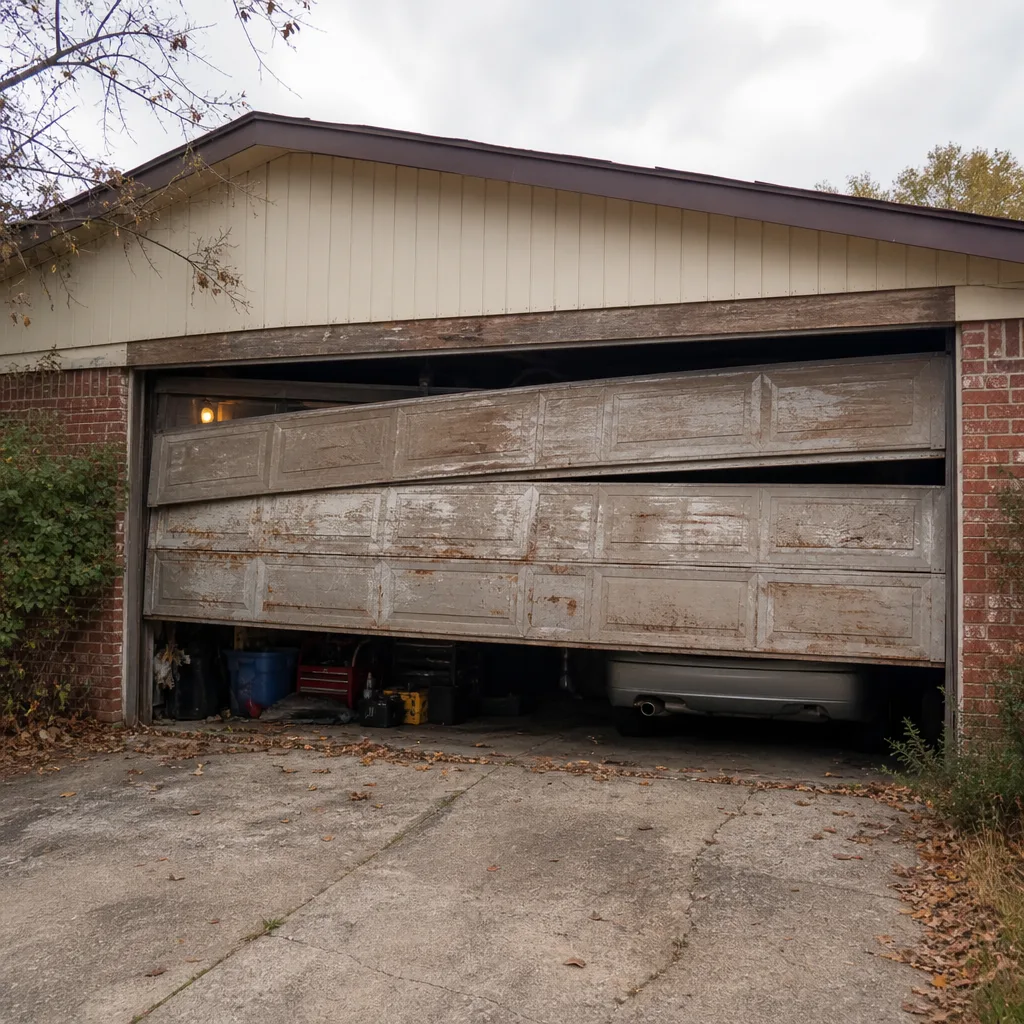 Before
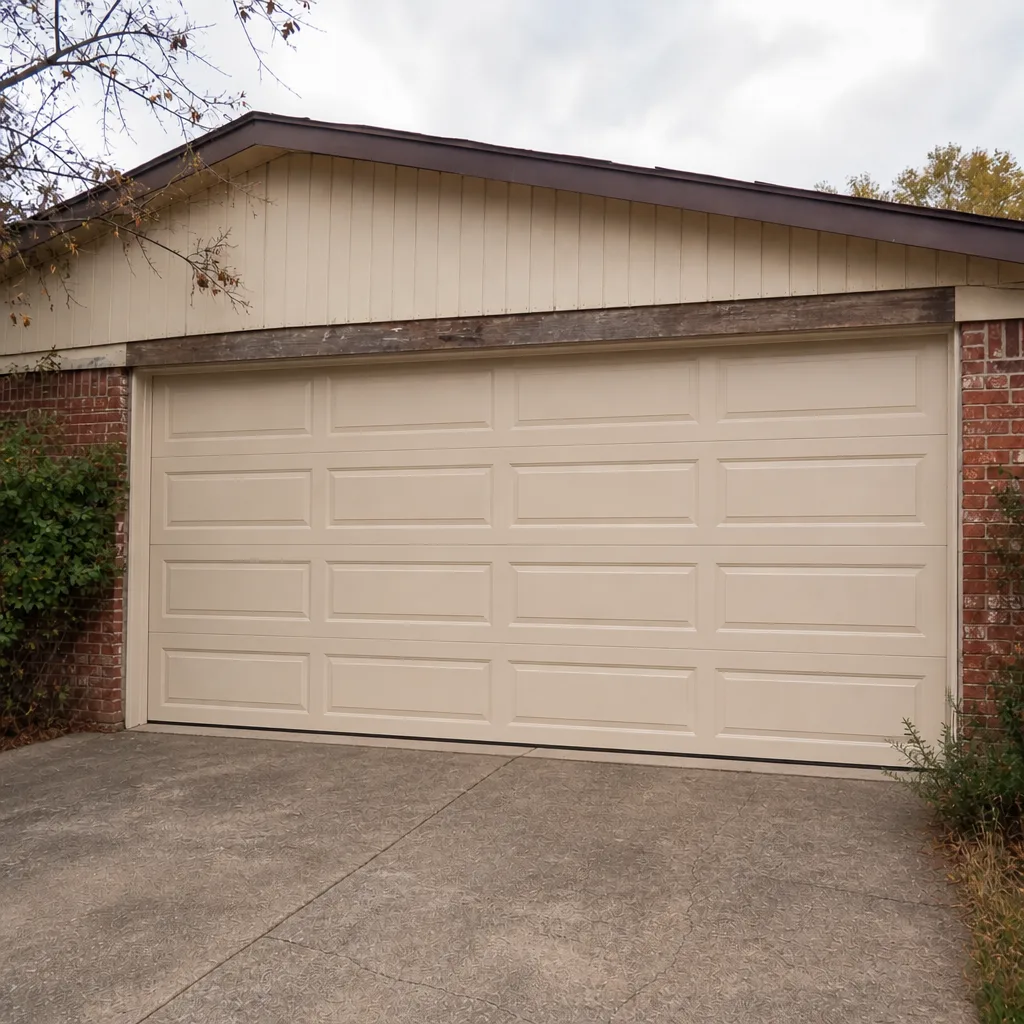 After
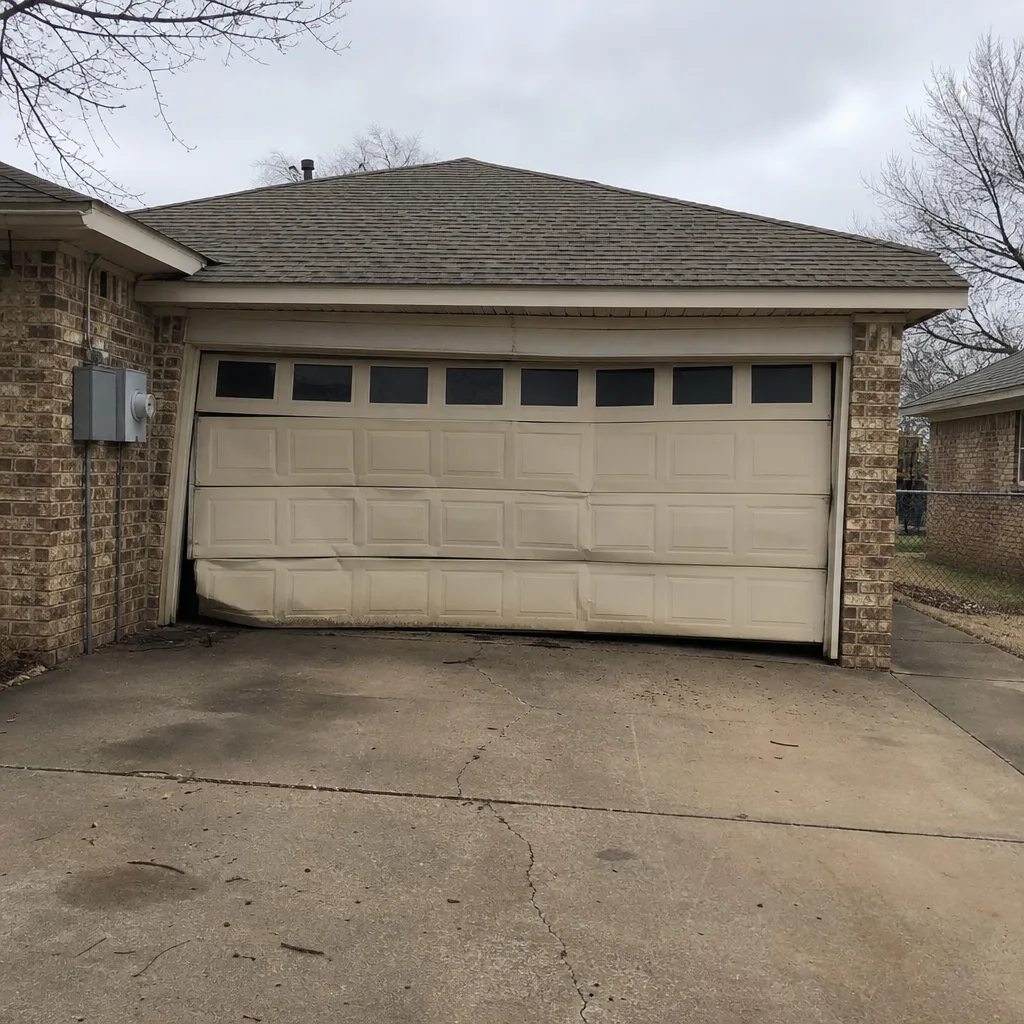 Before
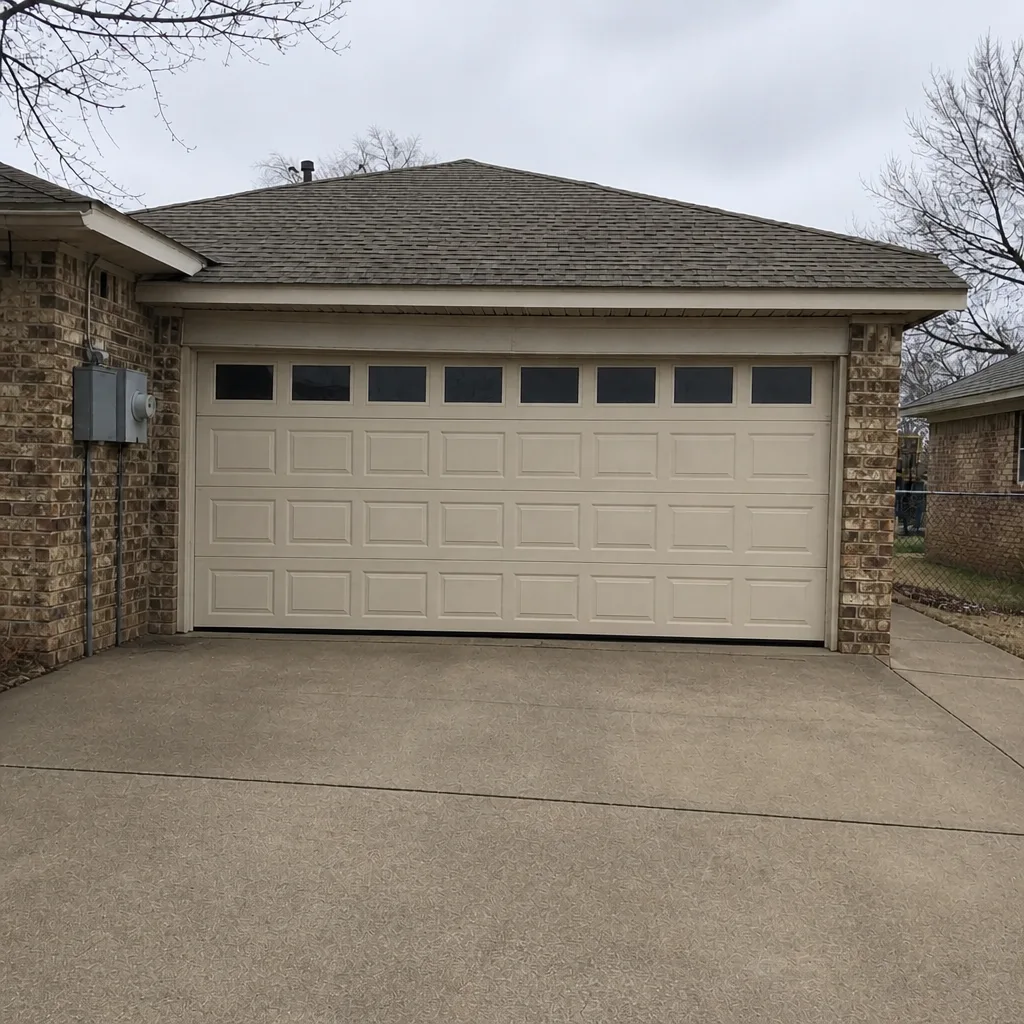 After
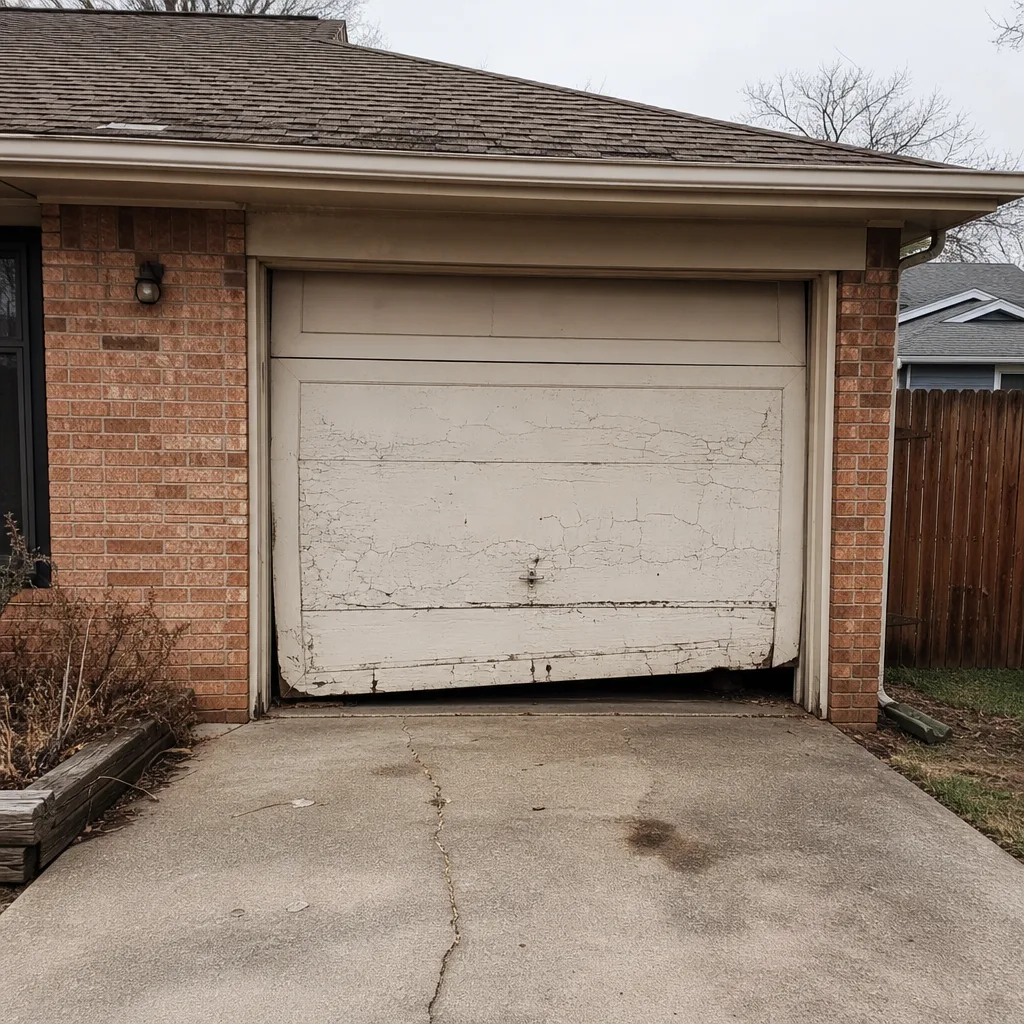 Before
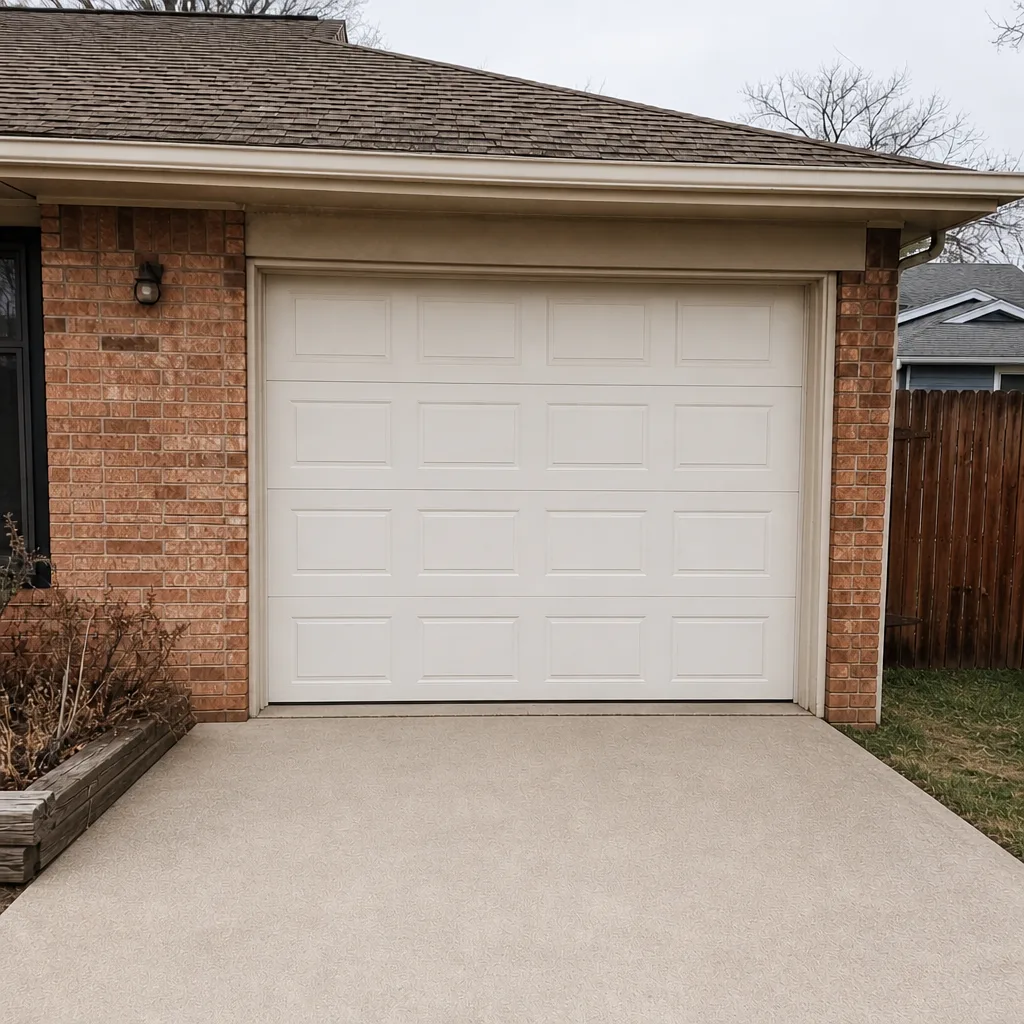 After
When to Call a Professional
You should call a professional for anything involving springs, cables, bottom brackets, and electrical opener components – these are the parts that carry serious injury risk if handled without the right tools and training. Also call when the door has begun to move unevenly, when the opener hesitates or reverses without obstruction, when the safety reverse test fails, and when you’re not sure whether a repair or replacement makes more sense for a door that’s already had several visits. Our technicians have up to 11 years of experience and work on the brand you already have, whether it’s a Clopay door with a LiftMaster opener or an Amarr door with a Genie. Millbrook Garage Door Repair offers free estimates in Norman – call (866) 942-8099. We answer 24/7. Fast dispatch from 7am to 7pm, Sunday through Friday. The estimate is free, the price is set per job by a written estimate, and that quote is agreed before any work starts.
Frequently Asked Questions
A visible gap between coils on a torsion spring, or a gradual loss of lifting power that makes the door feel heavier than it used to. Homeowners often notice the change as a hesitation from the opener before they notice the spring itself. If a spring has snapped outright, there will usually be a loud bang and the door won’t lift – that’s a stop-today situation. Call (866) 942-8099 for an exact quote – estimates are free.
Pull the manual release and lift the door by hand. If it moves smoothly with modest effort, the door is fine and the opener is the likely culprit. If the door is heavy or binds, the door needs service and the opener is only the messenger. That single test saves a lot of wrong diagnosis. For openers, we work on LiftMaster, Chamberlain, Genie and Craftsman systems and can usually tell on the first visit whether a repair or replacement makes sense.
Yes. A garage door cable that has begun to fray can snap without warning and can whip when it does. If you see broken strands, stop using the door and get a technician out. Do not try to remove or replace a cable yourself – the tension on those cables is not something to take on without the right tools and training. Call (866) 942-8099 for an exact quote – estimates are free.
Most often it’s the safety sensors – misalignment, dust on the lens, or a sun-glare issue at certain times of day. If sensors check out, the opener’s force setting may be too light, or the door itself is binding. Either way, it’s worth a diagnostic visit because a door that reverses unexpectedly is a door that isn’t behaving the way it should. Call (866) 942-8099 for an exact quote – estimates are free.
Once a year is the standard interval most Norman homeowners find workable, plus a walk-around after any big storm and a check before the first freeze. The clay dust and humidity cycles here shorten the intervals on rollers, hinges and wood sections compared to a drier climate. If you notice grinding, squealing or hesitation sooner than a year, schedule earlier. Call (866) 942-8099 for an exact quote – estimates are free.
No. The price you’re quoted on the written estimate is the price you pay for the work described. If we open the door up and find something else, we’ll tell you what it is and you’ll get a separate quote for that work before we start it – you never get a surprise invoice. The written estimate is the agreed price, and it’s set before any work begins. Call (866) 942-8099 for a free estimate.
Yes. Our technicians are licensed and insured, and they work on the brand of door and opener you already own rather than only preferred product lines. Millbrook Garage Door Repair is single-trade: garage doors are all we do, which is why we can tell you whether a repair or a new door is the smarter investment without pushing one answer.
The Bottom Line
Garage door failures almost always announce themselves weeks before they happen – through sound, through visible wear, and through the way the opener behaves. Grinding and squealing give you weeks to schedule service; popping, banging, snapped cables and doors hanging crooked mean stop using the door today. In Norman, red clay dust, humidity swings, freeze-thaw cycles and hail all shorten the interval between fixable warning and real failure. The five-minute seasonal walk-around catches most of what fails. If you find anything on the second list – a frayed cable, a snapped spring, a cracked bottom bracket, a failed safety reverse – don’t force it. Call (866) 942-8099 for a free estimate. We answer 24/7. Fast dispatch from 7am to 7pm, Sunday through Friday.
Written by the team at Millbrook Garage Door Repair.