
Last updated November 16, 2026
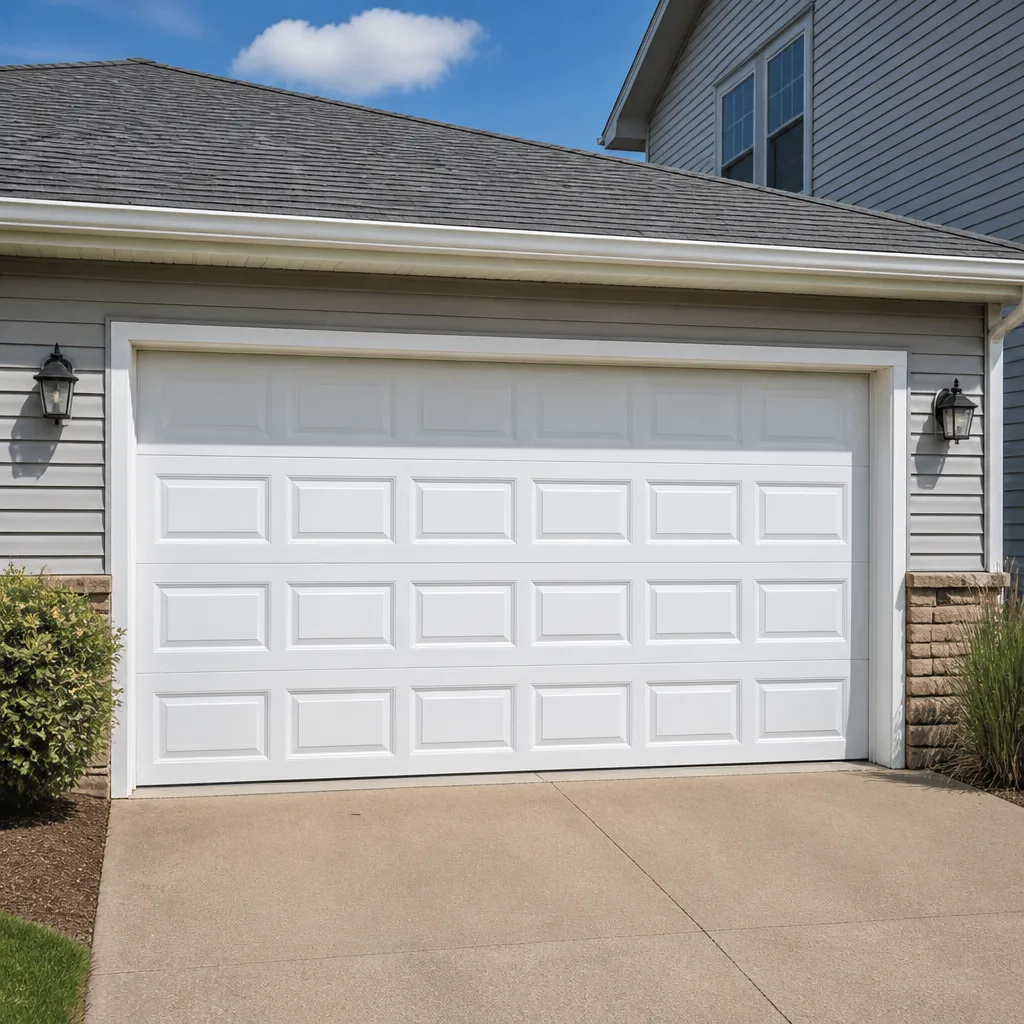 Raised-panel steel
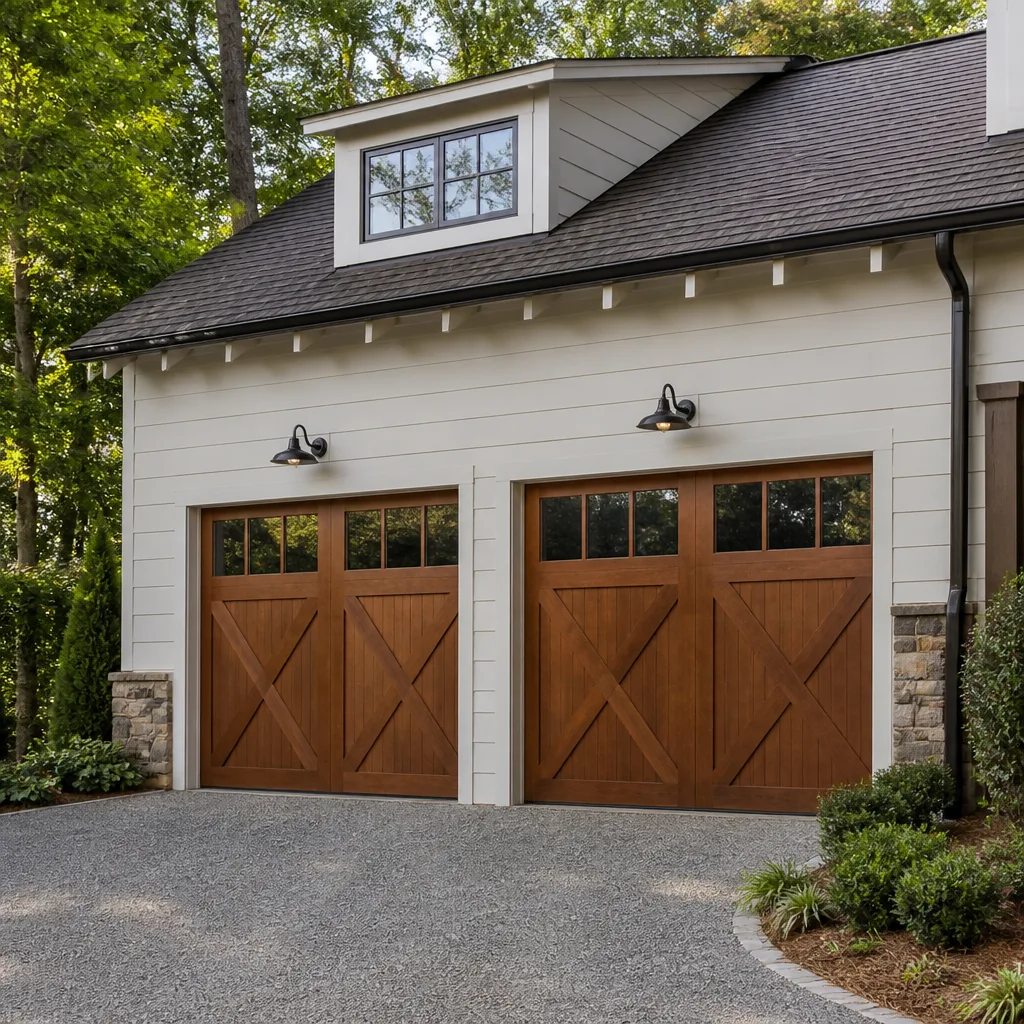 Carriage house
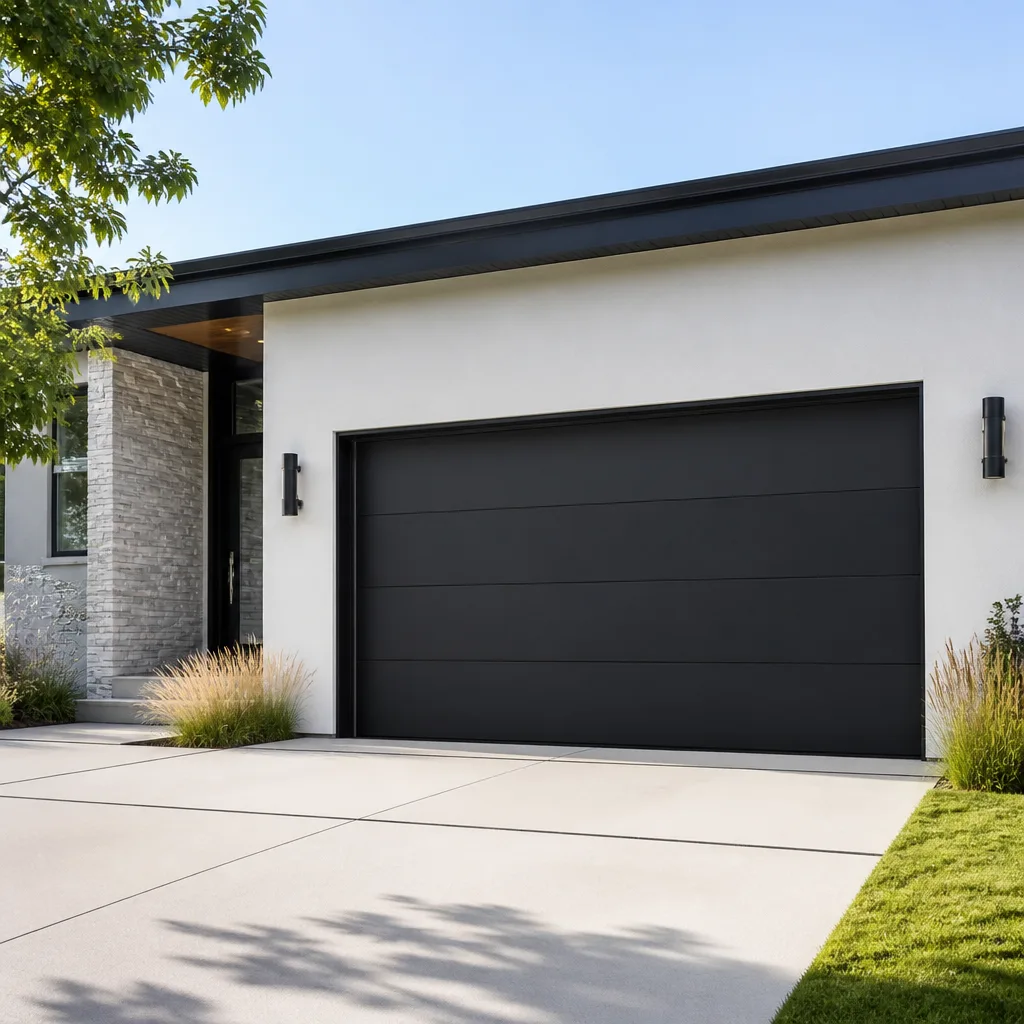 Modern flush
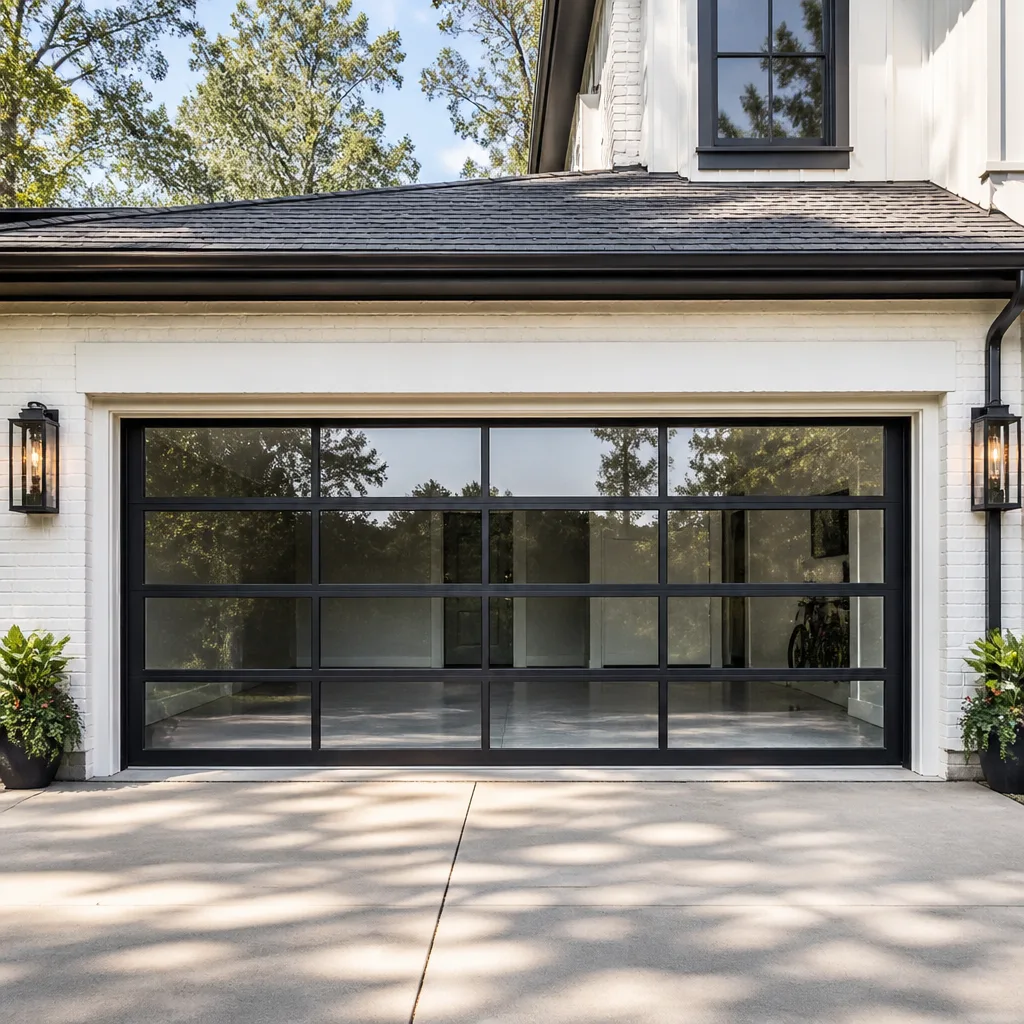 Full-view glass
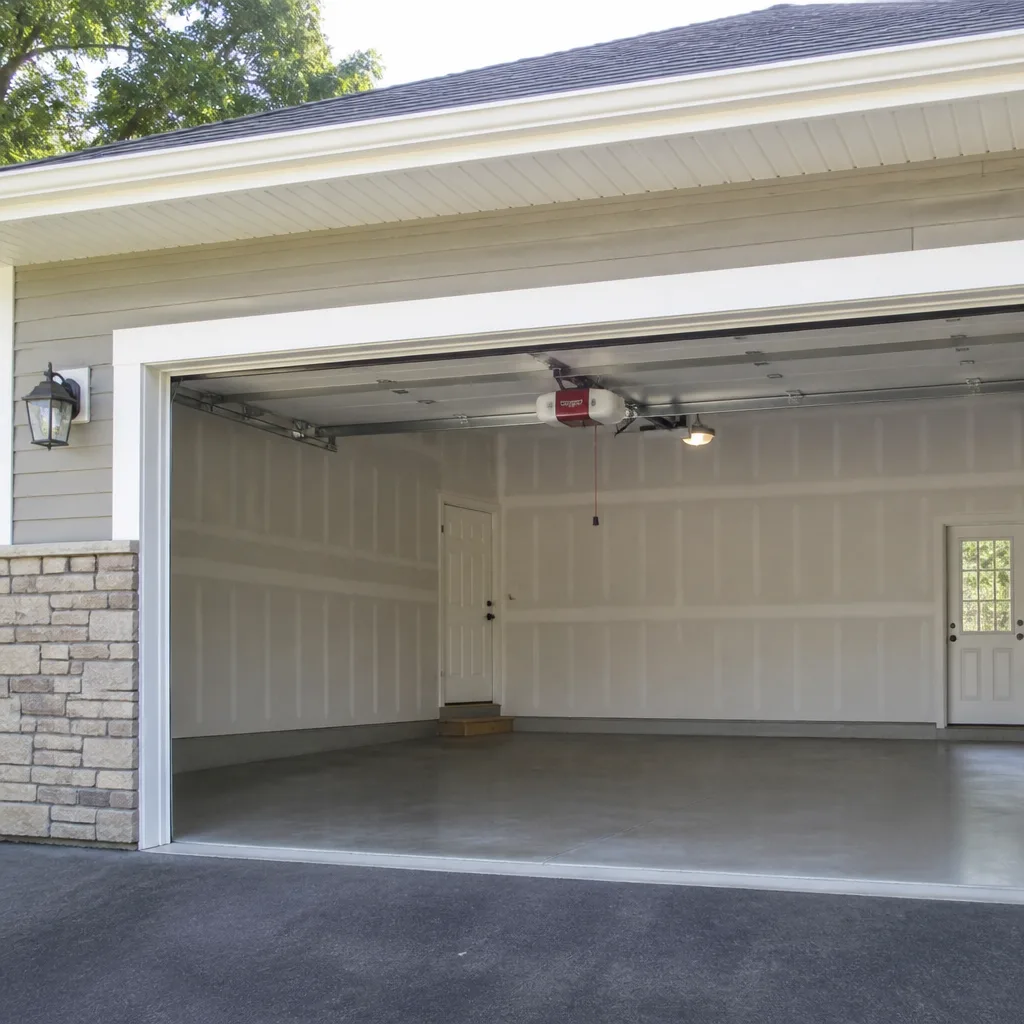 LiftMaster openers
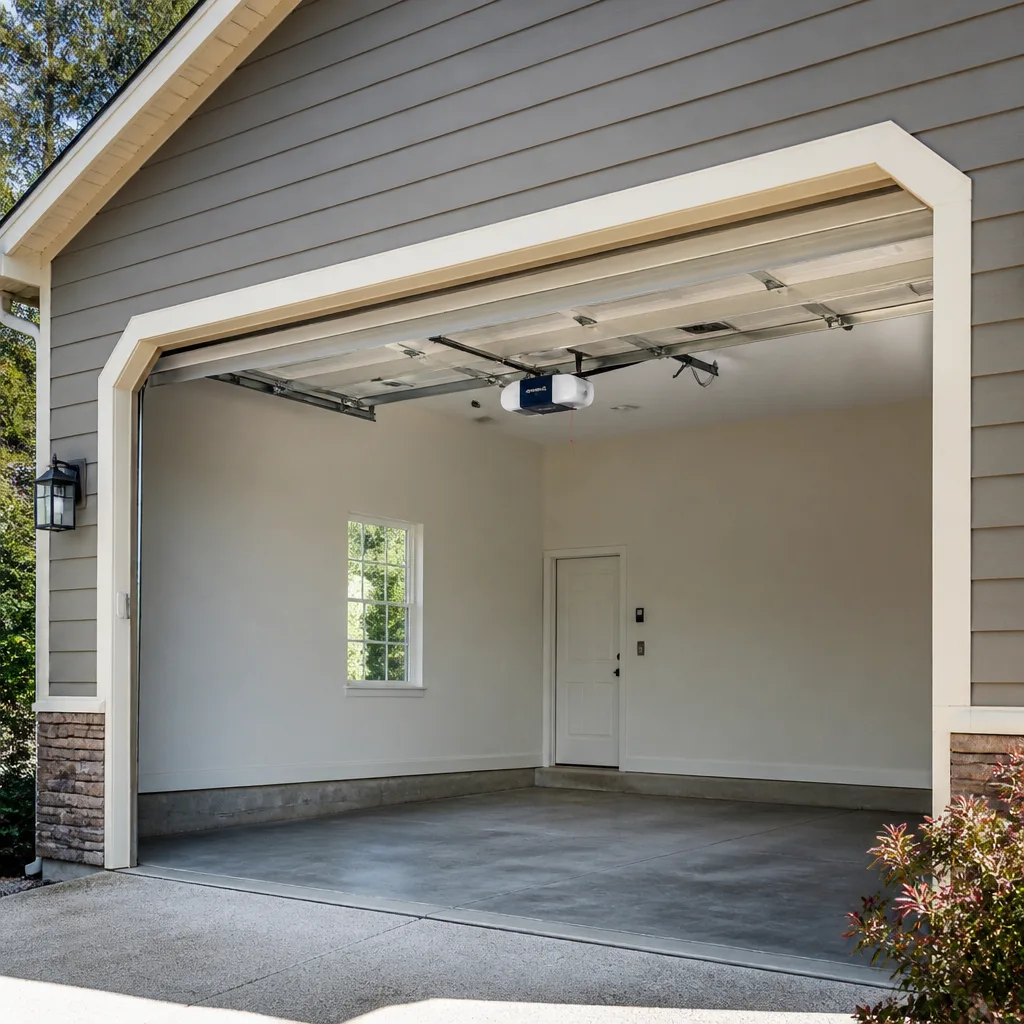 Chamberlain openers
Full 25-point door and opener safety check with every visit - springs, cables, rollers, tracks, and your LiftMaster or Chamberlain opener included
You get a price before we start. It does not change when the pro arrives.
Get your free estimateChoosing the Right Garage Door Brand: A Buyer’s Guide for Norman
Most brand advice you’ll read online is written by people who sell one brand, or by people who have never touched a torsion spring in 105-degree heat. A door that earns glowing reviews in a mild coastal climate can develop seal failures and finish problems in Norman’s summer. A brand with an impressive warranty can leave you waiting weeks for a part that isn’t distributed anywhere near central Oklahoma. Brand reputation matters, but brand-to-climate fit and local parts availability matter just as much. This guide covers how to evaluate a brand for Oklahoma conditions, what to know about parts distribution, and what questions will reveal whether a dealer’s recommendation is honest.
Quick Answer
The best garage door brand in Norman is the one with steel gauge and weatherstripping rated for Oklahoma’s temperature swings, a finish that holds up to UV exposure, and parts that are actually distributed in central Oklahoma. Brands like Amarr, Clopay, Wayne Dalton, and Raynor all make solid residential doors, but the installation quality matters as much as the nameplate. A mid-tier door installed with proper balance and hardware will usually outlast a premium door installed poorly.
Styles & brands we work with
- Raised-panel steel
- Carriage house
- Modern flush
- Full-view glass
- LiftMaster openers
- Chamberlain openers
Table of Contents
- Why Oklahoma’s Climate Changes the Brand Question
- How to Evaluate Steel Gauge and Weatherstripping for Norman Heat
- Parts Availability in Central Oklahoma
- Residential vs. Contractor Lines: Same Nameplate, Different Hardware
- When Brand Matters Less Than Installation
- Questions to Ask a Dealer Before You Buy
- Opener Brands and What Actually Fails
- A Step-by-Step Brand Evaluation Checklist
Why Oklahoma’s Climate Changes the Brand Question
A garage door in Norman lives a harder life than the same door in a mild coastal city. Summer temperatures routinely push past 100 degrees, and winter cold snaps can drop into single digits. That swing stresses every component on the door differently than a stable climate does. Metal expands and contracts, seals harden and crack, and finishes fade faster under intense UV.
The practical effect is that a brand’s performance in Norman depends less on its marketing and more on three things: how its steel handles repeated thermal cycling, whether its weatherstripping is rated for a wide temperature range, and how its finish resists UV breakdown. A door that looks great in a showroom photo may develop cosmetic and functional issues within a few summers here.
We’ve seen this play out across every major brand. Some doors from Clopay’s residential line hold their finish well through Norman summers. Some Wayne Dalton models show seal degradation sooner than you’d expect. None of this means one brand is universally better – it means the same brand can perform very differently depending on which model and which line you buy.
What matters for Norman homeowners:
- Steel gauge and thermal behavior. Thicker steel resists denting and holds its shape better through temperature swings. A 24-gauge door will outperform a 27-gauge door in a hail-prone, high-heat market.
- Weatherstripping material. Vinyl and EPDM seals behave differently across a wide temperature range. Cheaper seals harden faster in heat and lose their seal.
- Finish durability. Powder-coat and baked-on finishes hold up to UV better than thinner painted finishes. Norman’s sun exposure is not gentle.
- Insulation and heat. An attached garage facing west in Norman gets brutally hot. Insulated doors and proper seals reduce heat transfer into the house.
None of this requires a physics degree to evaluate. Ask the dealer what gauge the steel is, what material the bottom seal is made of, and how the finish is applied. If they can’t answer, that tells you something about how they chose the door.
How to Evaluate Steel Gauge and Weatherstripping for Norman Heat
Steel gauge is the first thing to understand because it’s the number that most directly predicts how a door will age in Oklahoma. Lower gauge numbers mean thicker steel. A 24-gauge door is noticeably more substantial than a 27-gauge door, and it resists dents, warping, and thermal movement better. It also weighs more, which affects spring sizing and opener load.
Here’s the practical guide for Norman conditions:
- 24-gauge or thicker for a door facing full sun. If your door faces west or south, the thermal load is heavier. Thicker steel moves less and holds its shape through repeated heating and cooling.
- Check the bottom seal material. EPDM rubber seals handle a wider temperature range than basic vinyl. In Norman’s summer heat, cheap vinyl seals harden and curl, which lets in dust, water, and pests.
- Ask about the finish process. A baked-on or powder-coat finish resists UV fading better than a sprayed-on finish. In a market with this much sun, finish quality affects both appearance and corrosion resistance.
- Look at the section joints. Steel sections that are roll-formed with tight tolerances hold alignment better through thermal cycling. Loose joints are where you see sagging and binding develop.
- Consider insulation values for attached garages. An insulated door on a west-facing Norman garage reduces heat gain into the home and stabilizes the temperature swing the door itself experiences.
Weatherstripping is the second critical piece, and it’s the part most buyers overlook. The bottom seal and the perimeter seal are what keep Oklahoma’s dust, wind-blown rain, and temperature extremes from finding their way in. Seals degrade – that’s normal – but a seal rated for a wide temperature range lasts longer and seals better in the meantime. When we look at an existing door during garage door repair, the condition of the seals tells us a lot about how the door has held up in this climate.
Parts Availability in Central Oklahoma
Here’s a factor that almost never makes it into brand comparison articles: whether the parts to fix your door are stocked anywhere near Norman. A door that’s beautifully built but has no local parts distribution can turn a two-day repair into a two-week wait.
Most repairs involve springs, rollers, hinges, bearings, cables, and seal components – not the door sections themselves. Those parts are largely universal, which is good news for any brand. But when a repair requires a brand-specific component – a proprietary hinge, a specific panel, a branded opener part, or a smart-home controller – local availability becomes the whole ballgame.
What we see in central Oklahoma:
- LiftMaster and Chamberlain opener parts are widely available through local distribution, so most opener diagnostics and repairs can be handled quickly. These are the two most common opener systems we see in Norman garages.
- Genie and Craftsman opener parts are also generally available locally, though certain legacy models require sourcing specific components.
- Door manufacturers vary. Amarr, Clopay, Wayne Dalton, and Raynor all have distribution networks that reach central Oklahoma, but the speed with which a specific panel or brand-specific part arrives depends on the model and the distributor’s stock.
- Panel replacements are where brand-specific sourcing matters most. If a section is damaged, matching an existing door’s model and color requires knowing the exact model number, not just the brand.
This is why we ask for the model number whenever a homeowner calls about a repair. Knowing the brand gets us started. Knowing the model tells us whether the part is local or whether we’re waiting on a shipment. It’s one of the reasons we work with the brand you already have rather than steering you toward a preferred product line – the fastest path to a working door is often the one that matches what’s already on your house.
What “local availability” really means for repair time
A part that’s two days away and a part that’s two weeks away are very different problems. For common wear items, this is rarely an issue. For brand-specific hardware, it’s the difference between a repair and a replacement conversation. If you’re choosing a brand for a new door, ask the dealer which distributor serves your area and how quickly they can source a replacement panel.
Residential vs. Contractor Lines: Same Nameplate, Different Hardware
One of the least-understood facts about garage door brands is that the name on the door doesn’t tell you which hardware is inside it. Several manufacturers separate their residential retail line from their contractor or commercial line, and the two can use very different springs, hinges, rollers, and track gauges even though the brand name is identical.
What this means in practice:
- The same brand can vary significantly between models. An entry-level residential door and a mid-tier residential door from the same manufacturer may share a nameplate and little else in the hardware department.
- Contractor-line doors are built for builder schedules, not longevity. In new construction, doors are often the contractor-line product. They’re functional, but the hardware is spec’d to a budget, not to a 20-year repair horizon.
- Upgrade-grade hardware is usually the better investment. Nylon rollers instead of steel, heavier hinges, and a properly sized torsion system are what make a door last in Norman’s climate.
When you’re comparing brands, compare the hardware on the specific door you’re being quoted, not the brand’s best product. Ask for the model number and check what springs, rollers, and hinges come standard. If the dealer can’t tell you, that’s a signal about how they select their inventory.
We’ve seen this pattern repeatedly. Our technicians have up to 11 years of experience working on the major brands, and the same brand can show two very different repair histories depending on which line the door came from. A Clopay or Amarr door from a builder-grade line may need more attention sooner than the same brand from a higher-grade line. The brand is the starting point; the model is where the real information lives.
When Brand Matters Less Than Installation
This is the point where we part ways with most brand comparison guides. In our experience, the quality of installation has more effect on a door’s lifespan than the brand on the nameplate. A mid-tier door installed with proper spring balance, correct track alignment, and correct opener force settings will usually outlast a premium door installed carelessly.
Why installation carries so much weight:
- Spring balance determines load on every component. A door that’s properly counterbalanced puts minimal strain on the opener and hardware. A door that’s out of balance wears out springs, hinges, and openers faster – regardless of brand.
- Track alignment affects wear. Tracks that aren’t plumb and level cause rollers to bind, which accelerates wear on the rollers, hinges, and door sections.
- Opener force limits matter. An opener set too aggressively will mask a binding door until something breaks. A careful installation sets the force to the door’s actual needs.
- Seal contact affects climate performance. A well-aligned door seals uniformly against Oklahoma weather. A poorly aligned door leaves gaps that let in heat, dust, and pests.
- Hardware quality at install time is a choice. A conscientious installer upgrades rollers and hinges at installation, which changes how the door performs for years.
When we assess whether a garage door repair or a replacement makes more sense, installation history is a big part of the conversation. A well-installed door that’s 15 years old may still have plenty of life. A poorly installed door at 8 years old may already be a replacement candidate. The brand is one input; the installation and its current condition are the others.
Questions to Ask a Dealer Before You Buy
The questions you ask a dealer will tell you a lot about whether their recommendation is brand-agnostic or inventory-driven. A dealer who carries one brand will usually recommend that brand – that doesn’t make them dishonest, but it does mean the recommendation is filtered through what they stock. Here’s how to get past that filter.
Ask these questions and listen carefully to the answers:
- “What are my options across two or three brands?” A brand-agnostic dealer will discuss the tradeoffs. An inventory-driven one will pivot back to a single brand.
- “Which line of this brand is this price for?” If they can’t distinguish residential from contractor-grade, you’re getting a sales answer, not a technical one.
- “How quickly can you source a replacement panel for this model in central Oklahoma?” This reveals whether they know their local parts chain.
- “What gauge steel is this door and why did you pick it for my situation?” The knowledgeable answer names the gauge and connects it to your specific exposure and climate needs.
- “Who installs it, and how do you handle balance and force settings?” This is where installation quality is decided. A vague answer here is a red flag.
- “What’s the failure mode you’d expect on this model in Oklahoma heat?” The technician’s answer will name seals, springs, or finish. The sales answer will be about warranty.
One more: ask which opener brands they work with and whether they can support smart-home integration. If you’re upgrading from an older opener, the garage door opener repair conversation can turn into a replacement conversation quickly, and you want someone who knows LiftMaster, Chamberlain, Genie, and Craftsman equally well.
Opener Brands and What Actually Fails
Opener performance is its own evaluation, and it’s where brand knowledge pays off most. The opener brands we work with – LiftMaster, Chamberlain, Genie, and Craftsman – cover the vast majority of Norman homes, and each has its own failure patterns worth knowing about.
What typically fails on each:
- LiftMaster and Chamberlain. These are the most common opener systems we see. The frequent issues are gear and sprocket wear, capacitor failure, and travel-limit problems. Smart-home connectivity issues on newer models are increasingly common and fixable.
- Genie. Older Genie units often show circuit board failures and stripped gears. Parts for common models are generally available locally.
- Craftsman. Many units are now legacy, so parts sourcing can be slower for specific components. Force and travel adjustment issues are common on aging units.
The key point for brand selection is this: opener brand matters less than the controller ecosystem if you plan to add smart-home features. LiftMaster and Chamberlain share a platform that integrates well with modern home automation. Genie and Craftsman are also supported, but check compatibility before you buy if connectivity matters to you.
We’re fluent in all four opener brands, and we see a lot of them. Most openers in Norman are one of these four, and the failure patterns are well understood. That’s the advantage of working with someone who knows the brand you already have.
What “smart” adds and what it doesn’t
Smart openers add convenience, but they don’t change the mechanical fundamentals. The springs, rollers, and balance still determine how long the door lasts. If you’re choosing an opener brand based on smart-home features, don’t skip the mechanical evaluation – the smart part can’t compensate for a door that’s out of balance.
A Step-by-Step Brand Evaluation Checklist
Here’s a practical checklist you can work through before you commit to a brand. It’s the sequence we use when we help a homeowner evaluate options.
- Identify the climate demands first. South or west-facing door in full sun. Attached or detached garage. These set the priorities before brand enters the picture.
- Ask for the model number, not just the brand. The model tells you the line, the gauge, and the hardware. The brand alone tells you very little.
- Check the steel gauge against your exposure. 24-gauge or heavier for high-exposure doors is a reasonable starting point.
- Ask about the bottom seal material. EPDM is the better answer for wide temperature swings than basic vinyl.
- Ask which line the price is for. Residential retail vs. contractor line. The nameplate doesn’t tell you.
- Ask how quickly a panel can be sourced locally. This is the parts-availability question in one line.
- Get the installation spec in writing. Balance, force settings, hardware upgrades. This is where the door’s lifespan is determined.
- Compare at least two brands and two lines within each. A single-brand comparison isn’t a comparison.
- Confirm the opener ecosystem. If smart-home integration matters, verify compatibility before you buy.
- Ask who handles repair after installation. One call covering installation and future repair is worth more than a brand discount.
Work through this list and you’ll know more about the door than most salespeople will tell you. It also gives you a real basis for comparing two quotes that otherwise look identical.
Common Mistakes to Avoid
- Choosing a brand based on national reviews instead of local conditions. A brand that performs well in a mild climate may not handle Norman’s summer heat the same way. Evaluate for Oklahoma, not for an average market.
- Comparing brands without comparing models. The brand name tells you almost nothing. The model tells you the gauge, the hardware, and the line. Insist on model numbers.
- Ignoring parts distribution. A brand-specific part that has to ship from out of state can turn a quick fix into a long wait. Ask about local distribution before you buy.
- Paying for a premium door and a budget installation. Installation determines lifespan more than brand. A premium door installed poorly underperforms a mid-tier door installed correctly.
- Assuming the residential line and the contractor line are the same door. They share a nameplate and little else. Ask which line the quote covers.
- Forgetting the opener when evaluating the door. Opener and door need to be sized together. A new door with an old opener sized for a different load is a mismatch.
- Not asking who services the door after installation. Brand selection and service capability are separate questions. Ask both before you buy.
See the difference
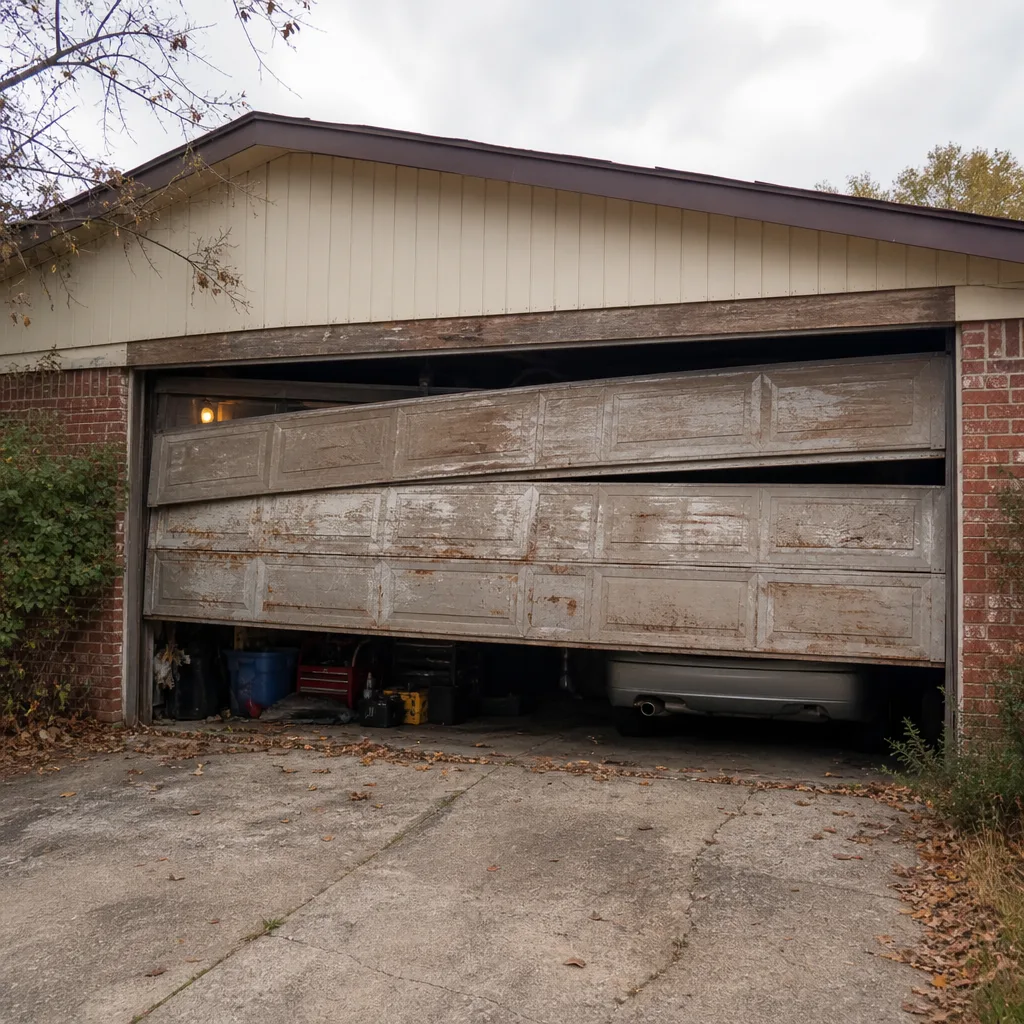 Before
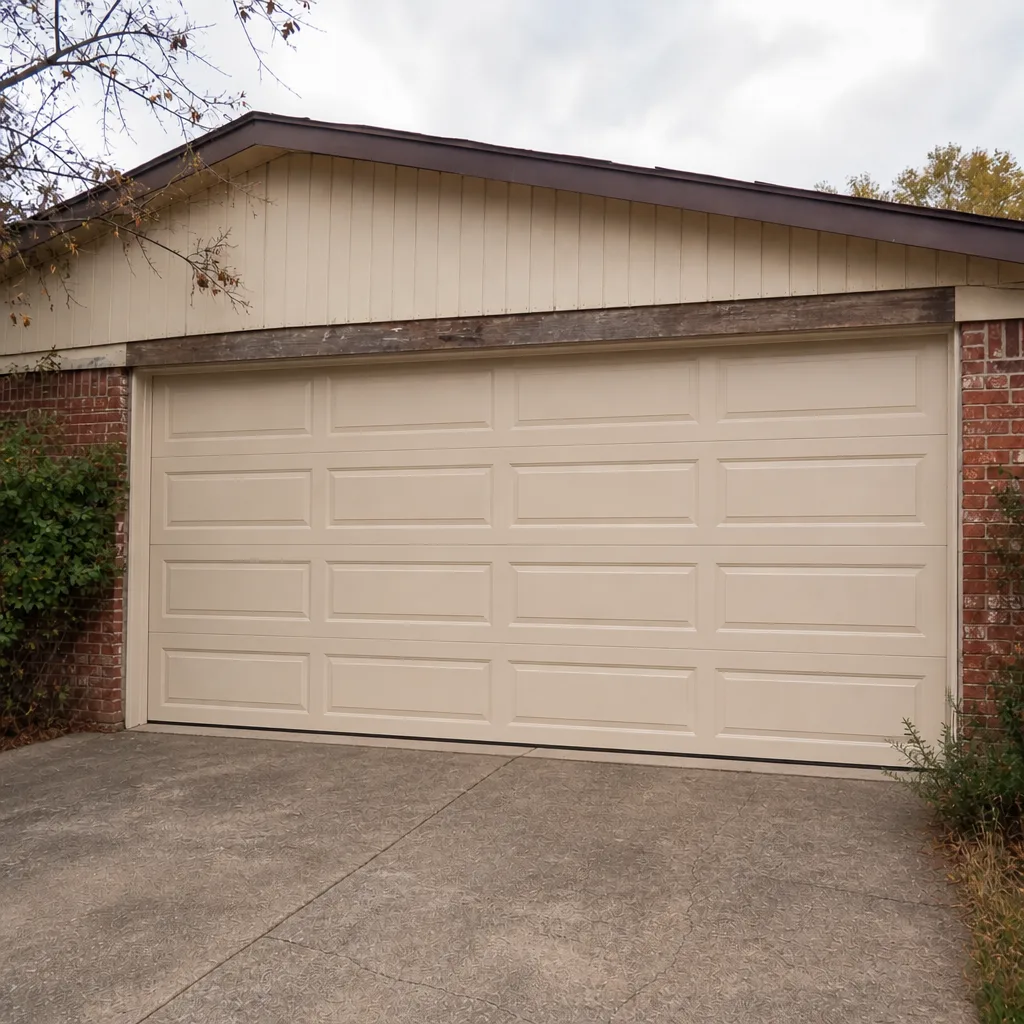 After
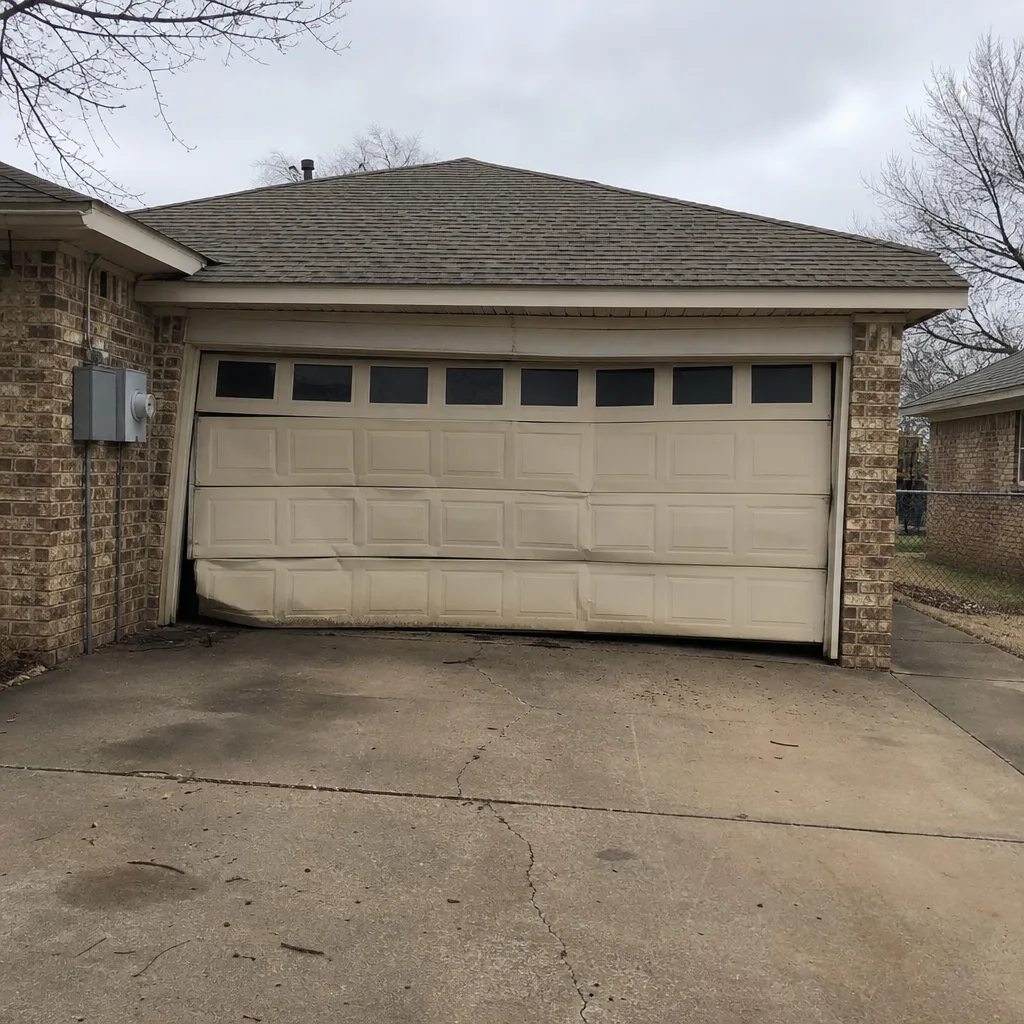 Before
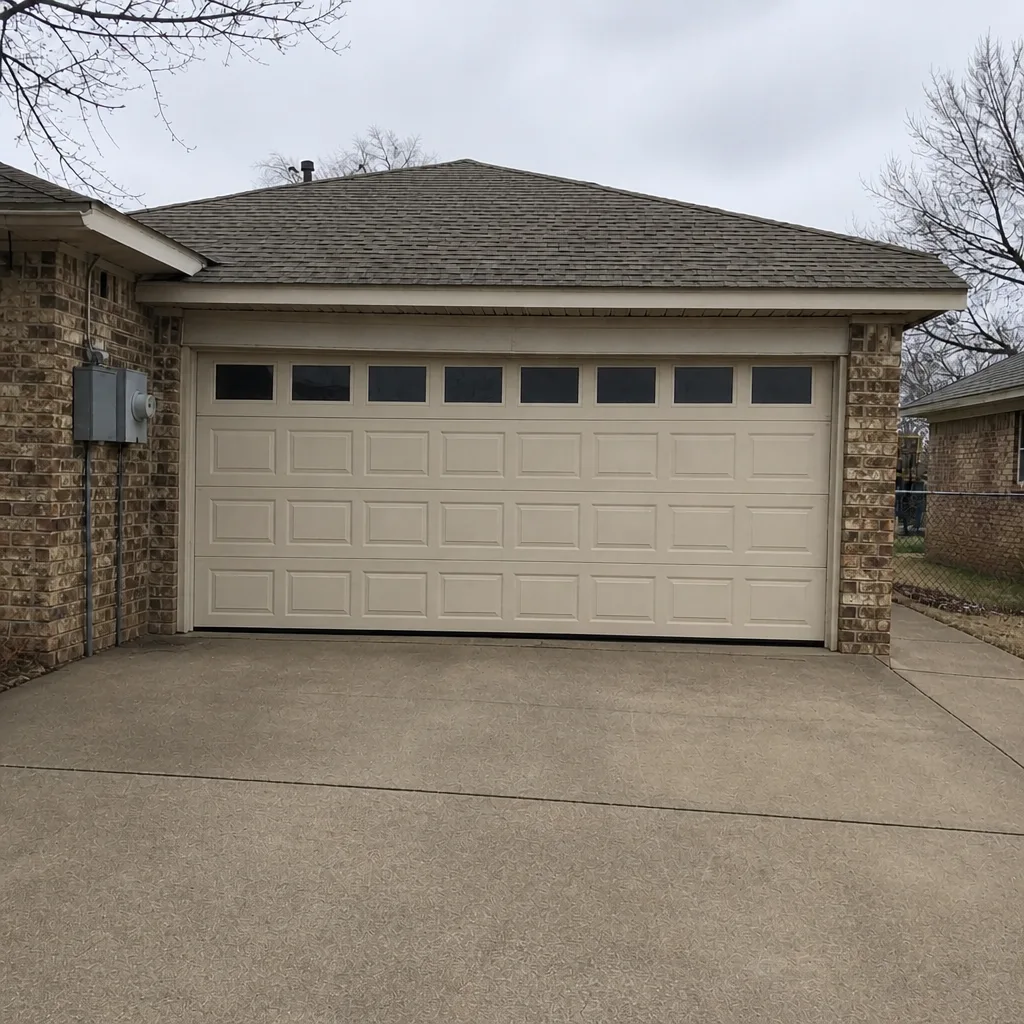 After
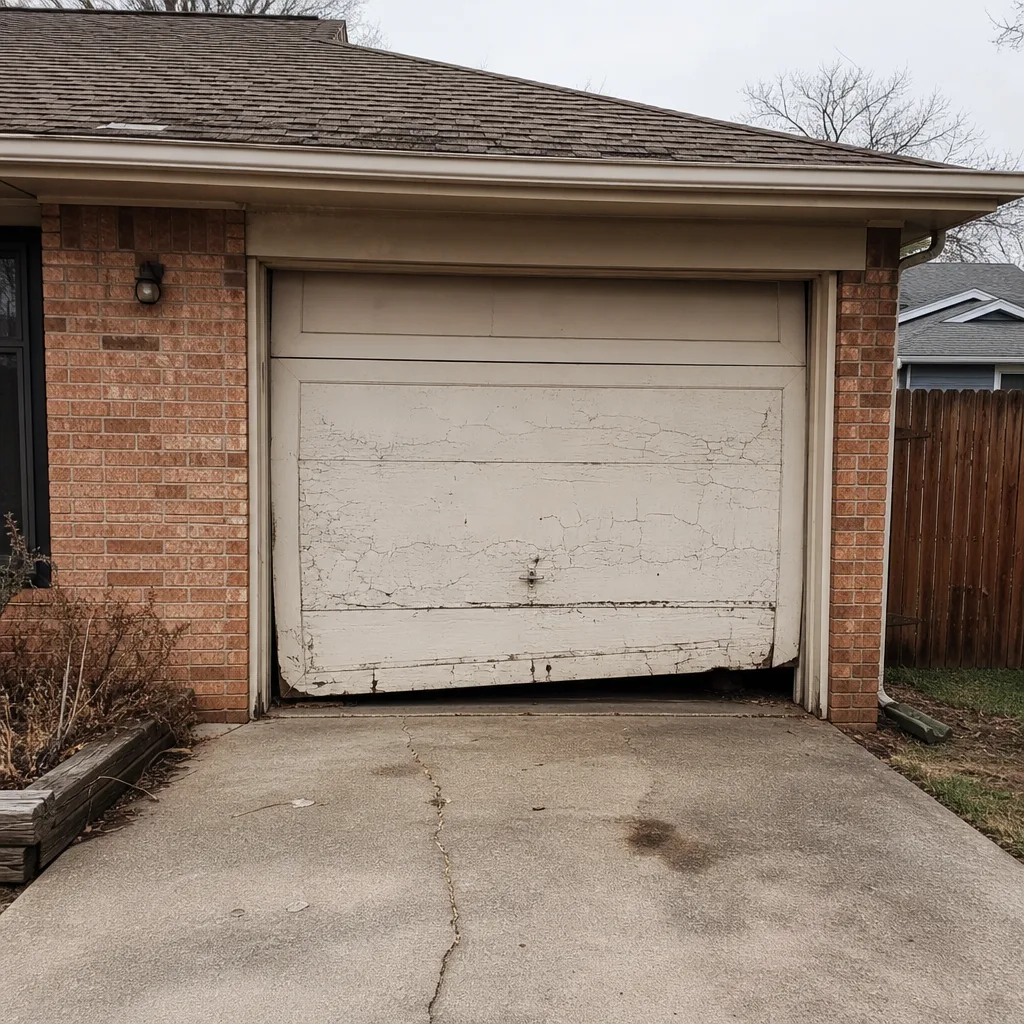 Before
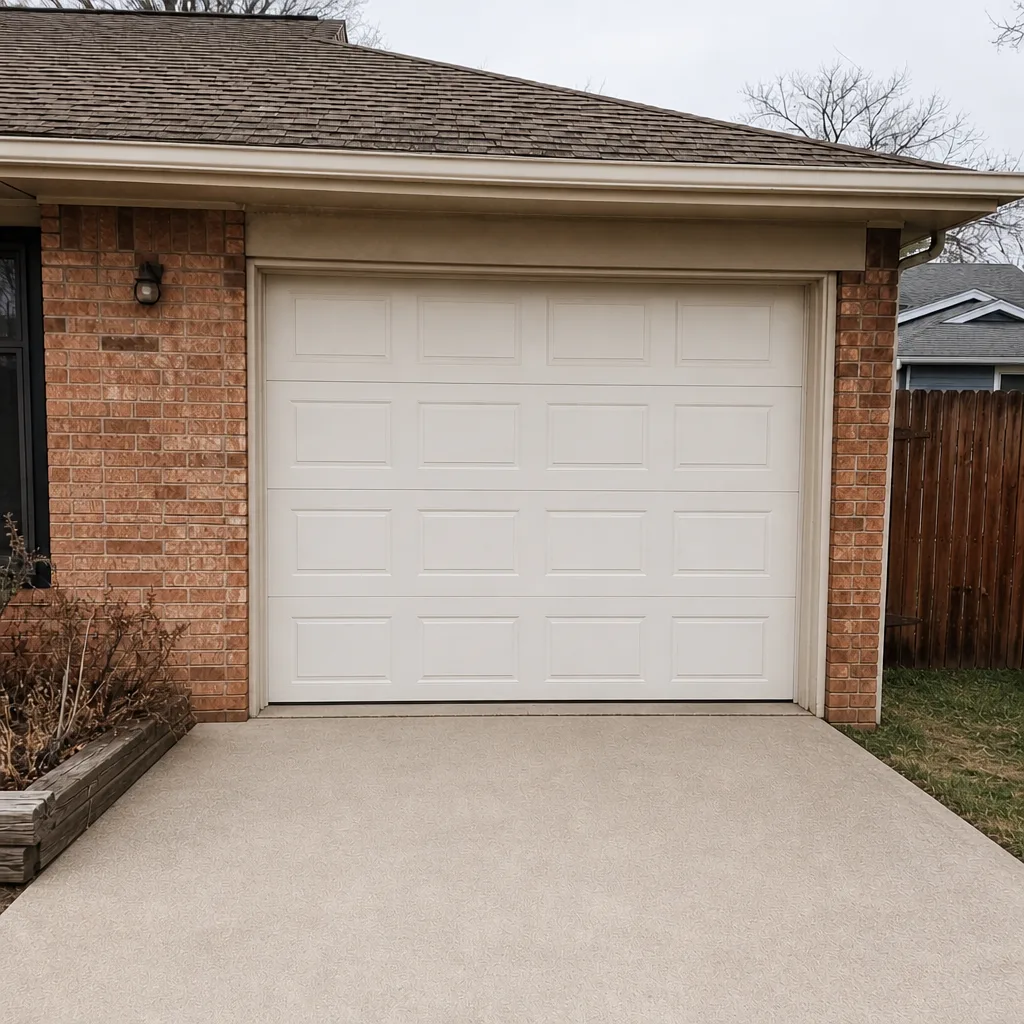 After
When to Call a Professional
Some brand evaluation questions are best answered by someone who works on these doors in Norman every day. If your door is out of balance, binding, or making noises it didn’t used to make, the brand conversation can wait until we’ve looked at the door. If your opener is failing and you’re considering a replacement, the right selection depends on your door’s weight and the rest of your setup – that’s a conversation worth having before you buy. If a panel is damaged and you need to know whether your model’s part is locally available, we can often tell you quickly. Millbrook Garage Door Repair offers free estimates in Norman – call (866) 942-8099.
Frequently Asked Questions
There isn’t one universal answer, but the brands best suited to Norman are the ones with thicker steel (24-gauge or heavier), EPDM bottom seals rated for wide temperature swings, and finish processes that resist UV fading. Among the brands we work with, Amarr, Clopay, Wayne Dalton, and Raynor all make residential doors that can perform well in Oklahoma conditions when the model and installation are right. Call (866) 942-8099 for a free estimate and we’ll walk through your specific situation.
Installation matters at least as much as brand. A mid-tier door installed with proper spring balance, correct track alignment, and careful opener force settings will usually outlast a premium door installed poorly. When we assess whether a garage door repair or a replacement makes more sense, installation quality and current condition weigh heavily alongside the brand.
Ask the dealer which distributor serves your area for that specific brand and model, and how quickly a replacement panel can be sourced. Common wear items like springs, rollers, and hinges are largely universal, so most repairs aren’t affected by brand-specific availability. Panel replacements and proprietary components are where local sourcing matters. Call (866) 942-8099 and we can usually tell you quickly whether a part is local or shipping.
Yes, often significantly. Several manufacturers separate their residential retail line from their contractor line, and the two can use different gauge steel, springs, hinges, and track hardware under the same brand name. When comparing quotes, ask which line the price covers and confirm the model number, not just the brand.
LiftMaster and Chamberlain share a platform that integrates well with modern home automation, and both have parts widely available in central Oklahoma. Genie and Craftsman also support smart features on many models, but compatibility varies by year and model. If connectivity matters, confirm the specific model is supported before you buy. Call (866) 942-8099 for a free estimate on your opener situation.
A better-spec’d door with proper installation generally means fewer repairs, but the brand name alone isn’t the predictor. Steel gauge, seal material, hardware quality, and installation all matter more than the nameplate. In our experience, a well-installed mid-tier door often holds up better in Oklahoma’s climate than a premium door installed carelessly. Call (866) 942-8099 for a free estimate and an honest read on your door.
The Bottom Line
Choosing a garage door brand in Norman comes down to three questions: does the steel and seal handle Oklahoma’s temperature swings, are the parts available locally when something breaks, and is the installation going to be done right. Brand reputation is a starting point, but the model, the line, and the installer are what determine how the door performs over the years. Ask for model numbers, ask about gauge and seal material, ask where parts ship from, and compare at least two brands. When you’ve got the answers, you’ll know which door is right for your garage – and which dealer is giving you technical advice versus a sales pitch.
If you’re ready to compare options or want a second opinion on what you’ve been quoted, call Millbrook Garage Door Repair at (866) 942-8099 for a free estimate. We work on the brand you already have, and we’ll tell you honestly whether a repair or a replacement makes more sense.
Written by the team at Millbrook Garage Door Repair.