
Last updated November 16, 2026
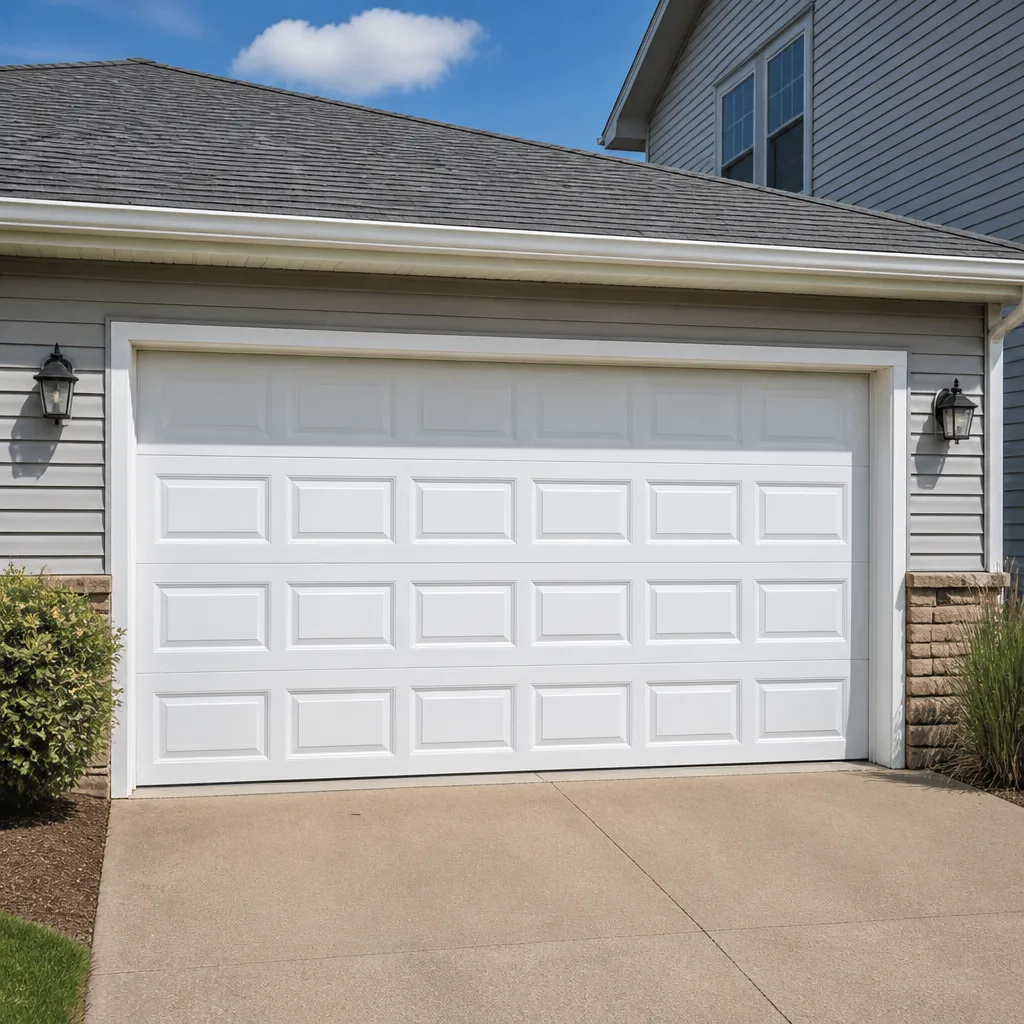 Raised-panel steel
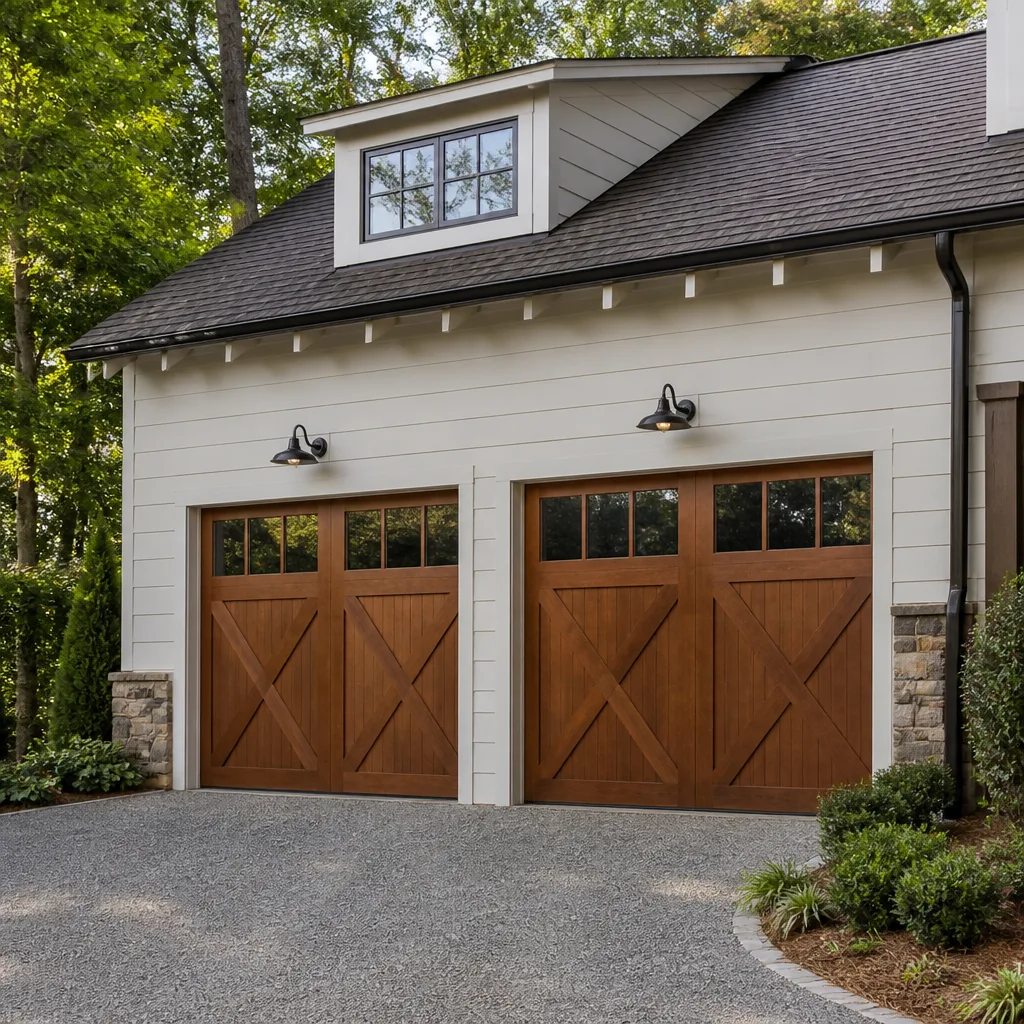 Carriage house
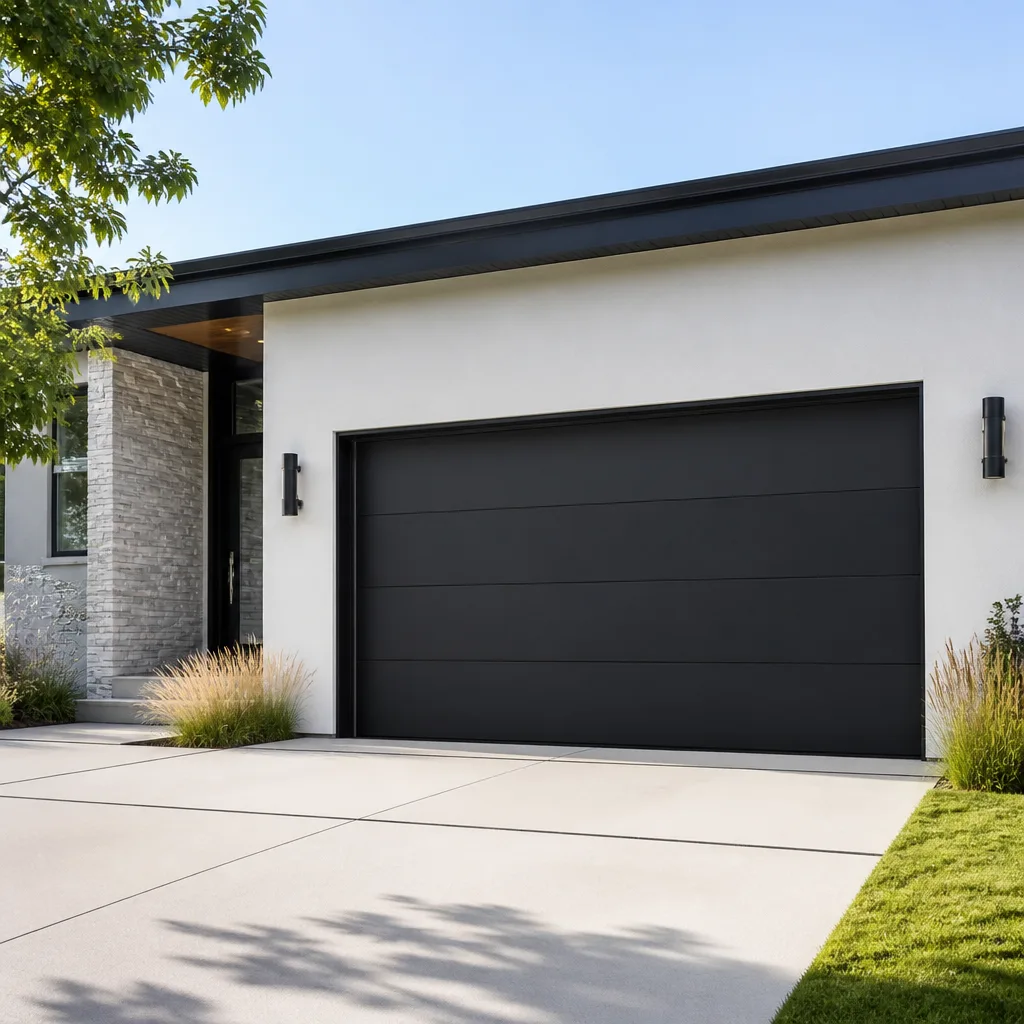 Modern flush
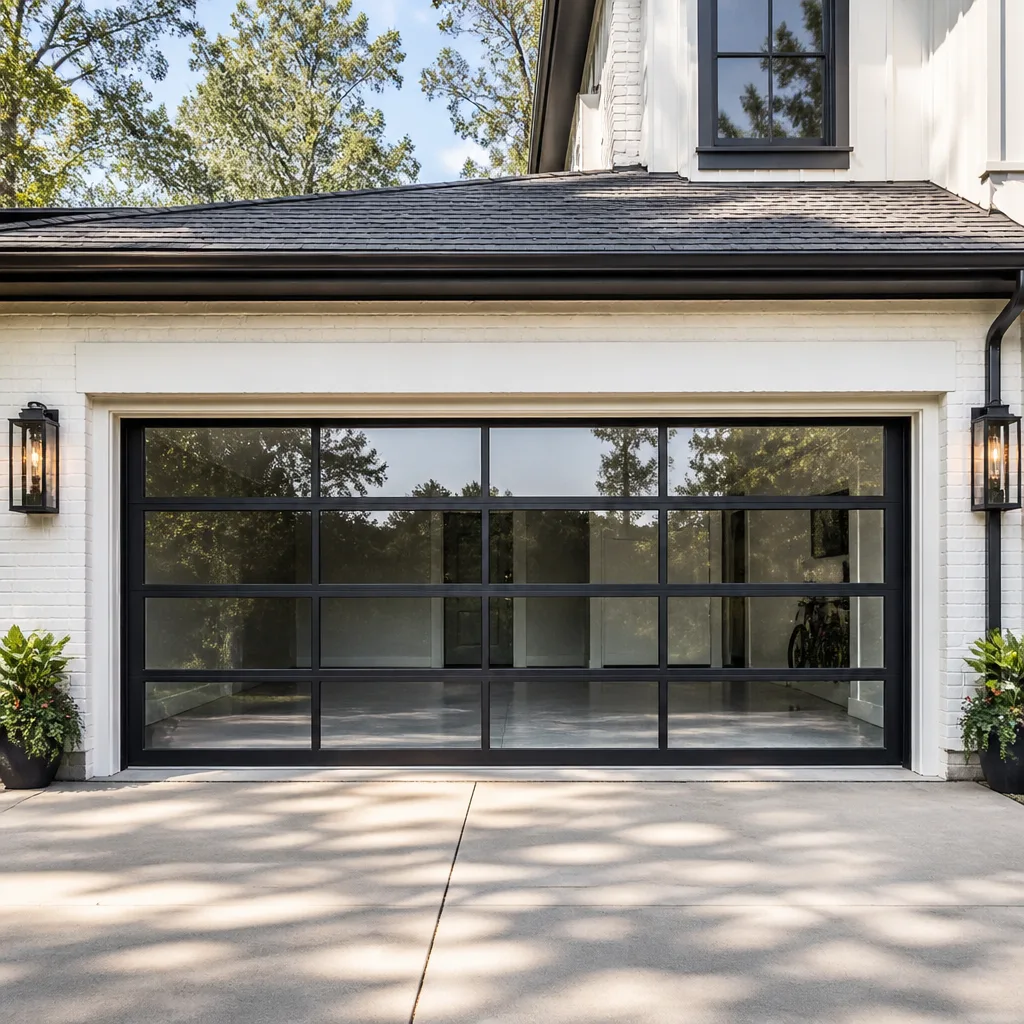 Full-view glass
 LiftMaster openers
 Chamberlain openers
Full 25-point door and opener safety check with every visit - springs, cables, rollers, tracks, and your LiftMaster or Chamberlain opener included
You get a price before we start. It does not change when the pro arrives.
Get your free estimateGarage Door Permits, Codes & Inspections in Norman, OK: What You Need to Know
If you replaced your garage door and nobody pulled a permit, you probably don’t know it yet. You’ll find out when you sell your house, file a storm damage claim, or add onto your garage, and by then the fix is more expensive than the permit ever would have been. Most homeowners in Norman assume a garage door swap is permit-free because it looks like a simple trade-out. Sometimes it is. Often it isn’t. The line between a like-for-like replacement and work that triggers an inspection is thinner than people think, and Oklahoma’s wind load requirements make that line matter more here than in most states. This guide walks through when the City of Norman requires a permit, what an inspector actually checks, how unpermitted work surfaces during a real estate sale in Norman, and who is legally responsible for pulling the permit.
Quick Answer
In Norman, OK, a straight like-for-like garage door replacement on a single-family home often needs no permit, but any change to the door’s size, weight, track configuration, header, or structural opening does. New construction, additions, and doors that affect the wind load rating of the structure typically require a permit and inspection. Oklahoma residential code and Norman’s adopted building standards treat the garage door as part of the building envelope, so the door’s rated wind resistance has to match what the opening was designed for. When in doubt, call the City of Norman building department before you buy the door.
Styles & brands we work with
- Raised-panel steel
- Carriage house
- Modern flush
- Full-view glass
- LiftMaster openers
- Chamberlain openers
Table of Contents
- When does a garage door project require a permit in Norman?
- Oklahoma wind load requirements and why they matter in Norman
- What an inspector actually looks at during a garage door inspection
- How unpermitted garage door work shows up at resale in Norman
- Contractor responsibility vs. homeowner responsibility
- Storms, insurance claims, and why the paperwork matters
- How to choose a garage door professional in Norman
- Common mistakes to avoid
When does a garage door project require a permit in Norman?
The permit question comes down to one idea: is the work a swap or a change? A swap keeps the opening, the header, the tracks, and the structural footprint exactly as they were. A change alters any of those, and a change is what pulls the project into the permitting process. That’s why the answer isn’t a blanket yes or no.
Here’s how we think about the threshold in our day-to-day work on garage door repair across Norman:
- Like-for-like replacement of the same size, weight, and style of door on an existing opening in a single-family home is often exempt. The door goes where the old door went, on the same tracks, with the same spring setup.
- Changing door size – wider, taller, or a different panel configuration – changes the load on the header and usually requires a permit.
- Changing door weight class (a light steel door swapped for a heavy insulated wood or composite door) can require spring, track, and reinforcement changes, which crosses into structural work.
- Modifying the opening itself – reframing, widening, raising the header – always requires a permit.
- New construction, garage additions, or converting a carport to an enclosed garage require permits and inspections that cover the door as part of the envelope.
- Replacing a door with a different wind rating than the opening was designed for can require a permit, since the door’s rated resistance to wind pressure is part of the structure’s load path.
The safest move before ordering a door in Norman is a short call to the city’s building department. Tell them the door size, the new door’s wind rating, and whether the header or tracks change. Their answer is the one that counts. A written estimate from a garage door specialist should also spell out whether a permit is expected so there’s no surprise later.
Oklahoma wind load requirements and why they matter in Norman
Oklahoma’s residential building code treats the garage door as a large, unsupported wall panel, so it has to be rated for the wind pressure the opening will actually see. In a tornado-prone area like Norman, that requirement isn’t bureaucratic decoration. It’s the reason the door you choose isn’t purely a design decision.
Here’s what actually shapes wind load on a residential garage door:
- Design wind speed for the site. Every location has a design wind speed used to size structural components. Norman’s figure is set by code, and door selection has to respect it.
- Door size and location on the wall. A wider, taller door catches more wind pressure than a narrow one, and doors near building corners experience different loading than doors mid-wall.
- Vertical and horizontal reinforcement. Manufacturers publish ratings that assume specific strut and track configurations. A door rated for a given wind speed only holds that rating with the right reinforcement installed.
- Track and anchor specification. The tracks have to be attached with the fasteners and spacing the manufacturer specifies for the rated wind load. Undersized fasteners void the rating.
- Wind load label or documentation. Rated doors generally ship with documentation showing the manufacturer’s tested rating. Inspectors and insurers will ask for it.
What this means for a Norman homeowner is practical: a door that’s the right size but the wrong rating can create real problems at resale or after a storm. That’s part of why we work with door manufacturers like Clopay, Amarr, and Wayne Dalton – each publishes wind load documentation that supports the permit and inspection process, and each can be matched to the opening’s actual rating. The door has to fit the wall, not just the hole.
What an inspector actually looks at during a garage door inspection
The inspection isn’t a ticking exercise. Inspectors look at the same handful of safety items a trained garage door technician checks, because those are the items that fail in real life. If your project requires an inspection in Norman, here’s what to expect.
- Wind load rating match. The installed door’s rating is checked against the opening’s design requirement. If the documentation doesn’t match, the inspection fails.
- Track and fastener installation. Are the tracks anchored with the specified fasteners at the specified spacing? Are the brackets screwed into structure, not just drywall or trim?
- Reinforcement struts. If the door requires vertical or horizontal struts to meet its rating, those have to be installed at the manufacturer’s specification.
- Spring and cable safety. Extension spring safety cables and torsion spring containment matter. A failed spring or snapped cable can cause serious injury, which is why the inspector checks that safety hardware is intact and correctly installed. This is also why we don’t recommend homeowners adjust or replace springs themselves – it’s genuinely dangerous work and belongs to a trained technician.
- Automatic reversal and photo-eye function. The opener’s safety reversal and its photo-eye beam need to be working and correctly positioned. Opener repair and safety adjustment for brands like LiftMaster, Chamberlain, and Genie is a routine part of passing an inspection.
- Entrapment label. The warning label required by the opener’s manufacturer has to be present and legible.
- Opening protection for attached garages. In some cases the inspector checks for the required door between the garage and the house – self-closing, self-latching, and rated as needed.
Most inspection failures we see come down to two things: a missing wind load document, or an opener that wasn’t set up correctly. Both are fixable, but fixing them after the inspector has already visited costs time. Getting it right on the install or repair is cheaper.
How unpermitted garage door work shows up at resale in Norman
An unpermitted garage door install usually doesn’t cause a problem for years. It surfaces the moment someone looks closely – a buyer’s inspector, an appraiser, or a title company reviewing disclosures. And at that point, it can delay or kill a sale until it’s resolved.
Here’s how it usually shows up:
- A buyer’s inspector flags a structural change. If the door size, header, or framing changed without a permit, the inspector notes it. Buyers often ask the seller to make it right or reduce the price.
- An appraiser notices a rating mismatch. If the door’s wind load rating doesn’t line up with what the opening was designed for, appraisers and underwriters can flag it and hold up the loan.
- A title search uncovers open permits. An open permit on a property is a common closing hold-up. It has to be inspected and closed before the title clears.
- Disclosure issues arise later. If the seller signed a disclosure saying they weren’t aware of any unpermitted work, and the work surfaces later, that can turn into a legal headache for both sides.
Resolving it usually means retroactively pulling a permit, having the work inspected, and correcting anything that doesn’t meet current code. That can be done – and if the install itself was sound, the correction is often small. But it takes time, and it usually happens in the middle of a real estate transaction when time isn’t on anyone’s side. Pulling the permit up front, when the project is scoped and the price is already quoted, costs far less.
Contractor responsibility vs. homeowner responsibility for permits in Norman
Most homeowners assume the contractor handles the permit. In Norman, that’s often true, but not always, and it isn’t automatic. The legal responsibility for a permit rests with whoever is doing the work – which is usually the licensed contractor, if a licensed contractor is doing the job. The homeowner is responsible when they do the work themselves or hire someone without a license.
Here’s a simple way to think about it:
- Hiring a licensed contractor. The contractor pulls the permit, schedules the inspection, and closes the permit. The homeowner’s job is to ask for proof of the permit number and the closed inspection report before the final payment.
- Doing it yourself (DIY). The homeowner pulls the permit. That also means the homeowner owns the inspection outcome and any correction work.
- Hiring someone without a license. This is where it goes wrong. An unlicensed installer often can’t pull a permit, and any problems land on the homeowner. That’s why we recommend asking for proof of licensure up front.
- New construction. In a new build, the builder or general contractor typically pulls the permit covering the door as part of the larger scope.
For homeowners in Norman, the rule of thumb is: whoever is doing the work pulls the permit, and the homeowner should have the permit number in writing before work starts. That’s not a bureaucratic nicety. It’s the single document that proves the work was done to code. And it’s the reason a licensed, experienced garage door specialist matters more than the lowest quote.
Storms, insurance claims, and why the paperwork matters
After a storm, an insurer will ask for evidence that the damaged garage door was installed to code. If the door was replaced without a permit and without documented wind rating, that evidence doesn’t exist. Claims get complicated. Coverage decisions can hinge on whether the door was rated for the wind load the opening was designed for.
What insurers typically want to see after a garage door claim:
- Documentation of the door’s wind load rating at the time it was installed.
- A permit record and closed inspection if the work required one.
- Proof of the installer’s credentials – license, insurance, and the scope of the work performed.
- A written scope and estimate that matches the work performed and the door documented in the claim.
What we see most often after a storm in Norman is a homeowner who can describe the door but can’t produce the paperwork. The fix in that case is usually to have the door re-inspected and to have any unpermitted work permitted retroactively. That takes time, and it usually happens while the homeowner is waiting on a claim. The paperwork you get on install day is what protects you later. When we install a new door for a homeowner, we hand over the wind load documentation and the door’s specifications along with the written estimate – because that paperwork is part of the job.
Whether your insurer accepts a claim on unpermitted work is between you and your insurer. What we can do is make sure the door we install and the paperwork we leave behind are what an inspector and an insurer will ask for. For more on what that process looks like in Norman, see Norman.
How to choose a garage door professional in Norman
Choosing the right professional is how you avoid the permit problem entirely. Most of the frustration we hear about starts with a cheap quote from an unlicensed installer and ends with a homeowner trying to untangle an unpermitted door years later. Here’s what to look for.
- Licensed and insured. Ask for proof of state licensure and current liability insurance before work starts. A licensed contractor can pull a permit. An unlicensed one usually can’t.
- Brand fluency. The door you have is the door the company should know. Our technicians are familiar with the eight major brands a homeowner is most likely to own – LiftMaster, Chamberlain, Genie, Clopay, Amarr, Wayne Dalton, Craftsman, and Raynor. That’s a real advantage on an inspection, because we understand how the door and opener were designed to work.
- Single-trade focus. Garage doors are all we do. It’s the reason we can tell you whether a repair or a full replacement makes more sense, and why we can navigate a permit and inspection without handoffs to a general contractor.
- Full lifecycle coverage. The same company should handle garage door opener repair, door repair, and full installation, so no one is guessing about the interaction between the two on inspection day.
- Written estimate before work begins. The scope, the expected permitting, and the price should all be in writing. The written estimate is the price you pay.
- Wind load documentation on new doors. Insist on it. Ask to see the documentation before final payment.
Millbrook Garage Door Repair works on the brand you already have, whether that’s a Chamberlain opener from a decade ago or a newer smart-home system. We diagnose whether the door you have is repairable or whether a new door is the smarter investment, and we handle the installation and the paperwork that goes with it. Garage doors are all we do.
Common Mistakes to Avoid
- Assuming no permit is needed because it’s “just a swap.” A swap of the identical door often is exempt, but a change in size, weight, or framing isn’t. Confirm with the City of Norman before you order the door.
- Choosing a door without checking its wind load rating. In tornado-prone Oklahoma, a door that doesn’t match the opening’s design requirement is a problem waiting to surface at resale or after a storm.
- Hiring the cheapest installer without checking licensure. An unlicensed installer can’t pull a permit, and any problems land on you as the homeowner.
- Forgetting to ask for the closed inspection report. A permit that’s open on the property can hold up a closing. Get the closed report in hand before final payment.
- Letting an untrained person adjust or replace the springs. Garage door springs are under high tension and can cause serious injury. That work belongs to a trained technician.
- Not keeping the install paperwork. The wind load documentation, permit number, and inspection report are the only things that protect you at resale and at claim time.
- Choosing a door purely on looks. A door that looks right but is the wrong rating class creates more problems than it solves. Have the spec checked before the order goes in.
See the difference
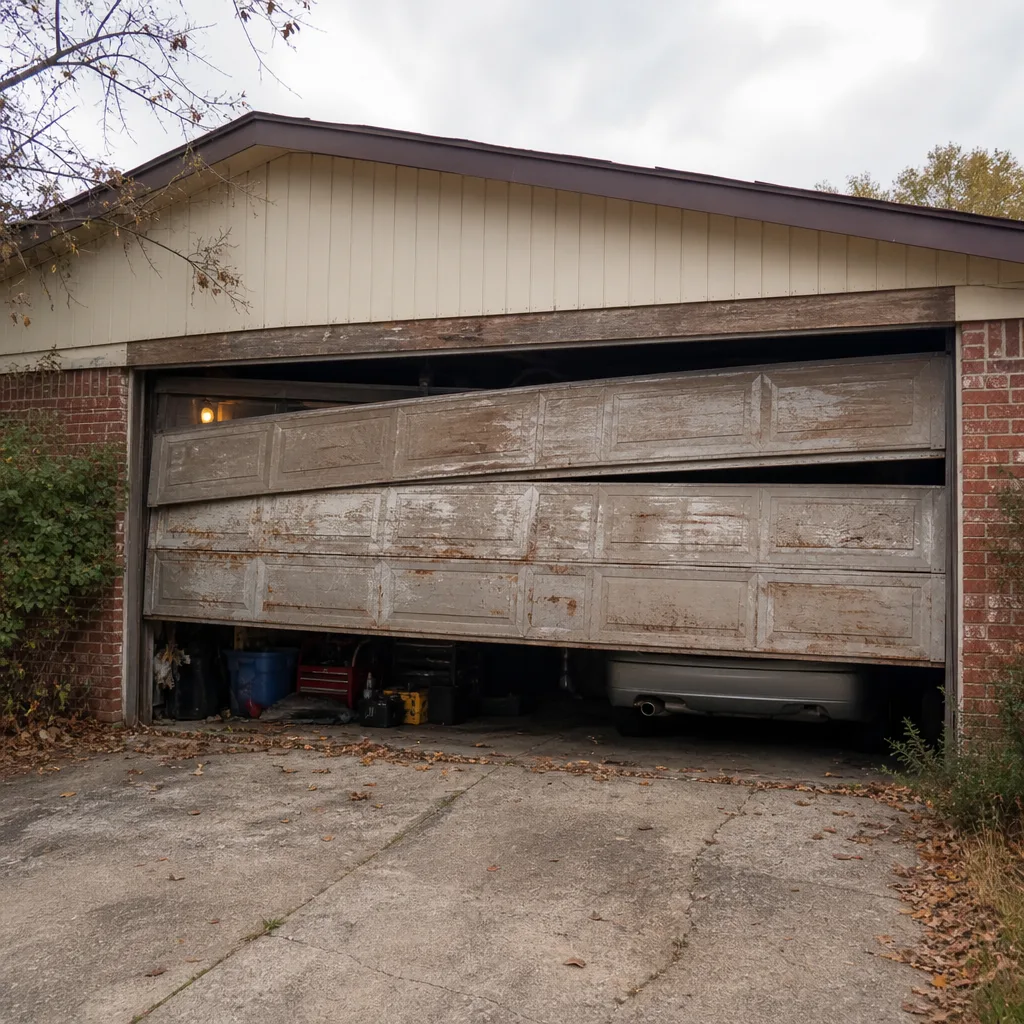 Before
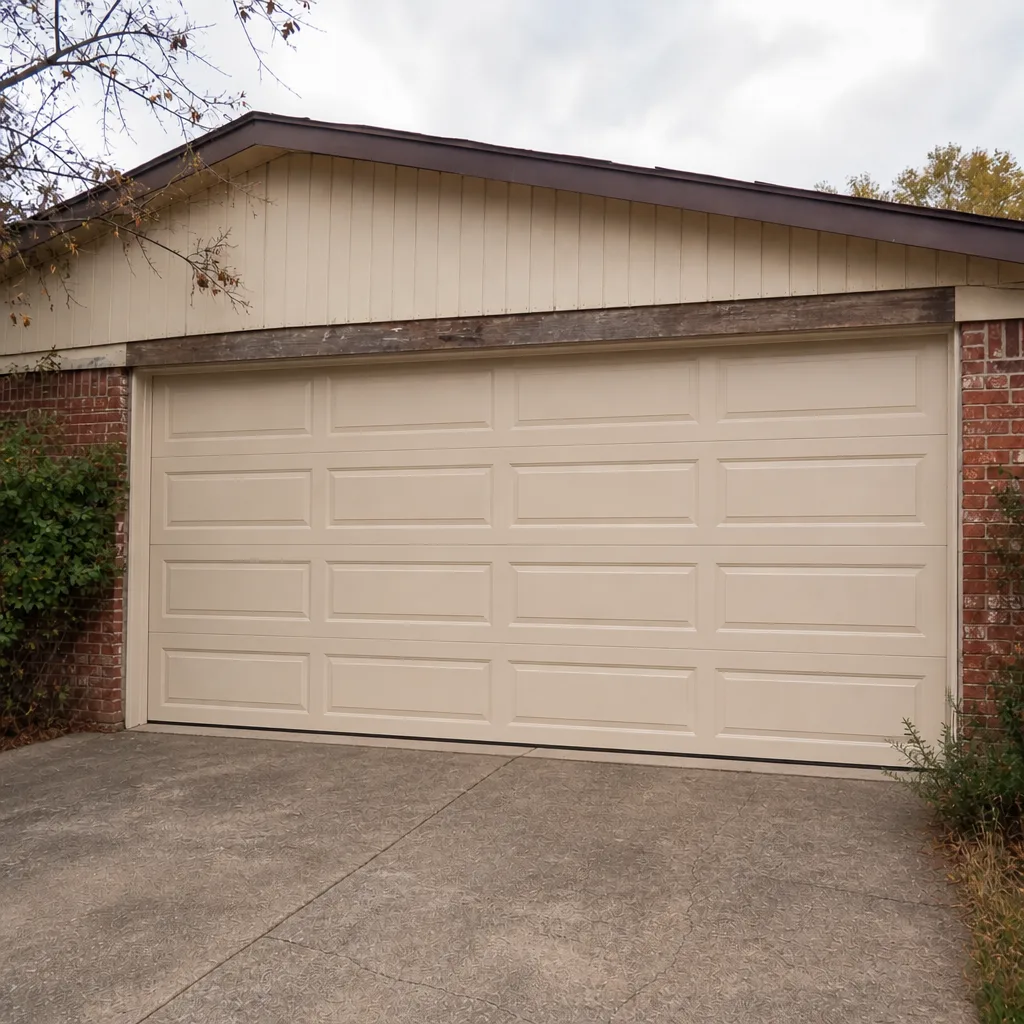 After
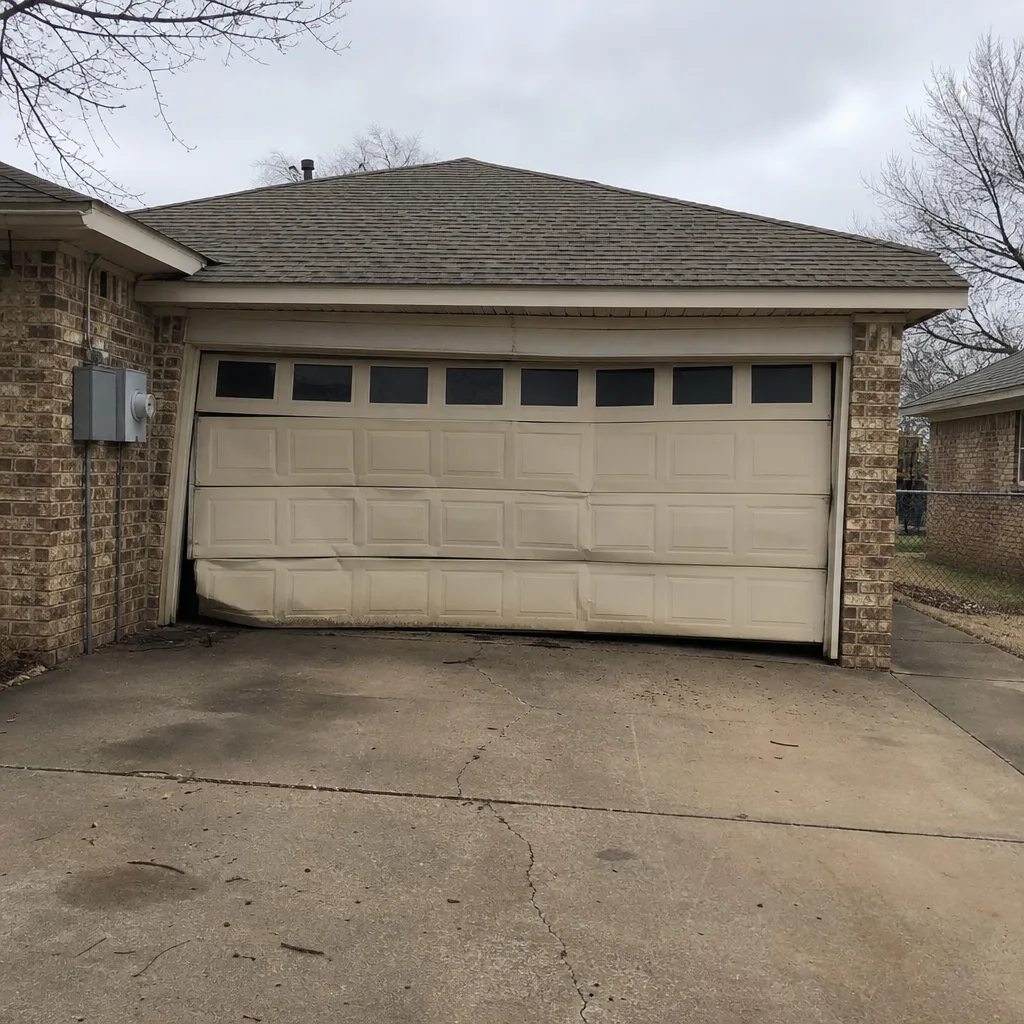 Before
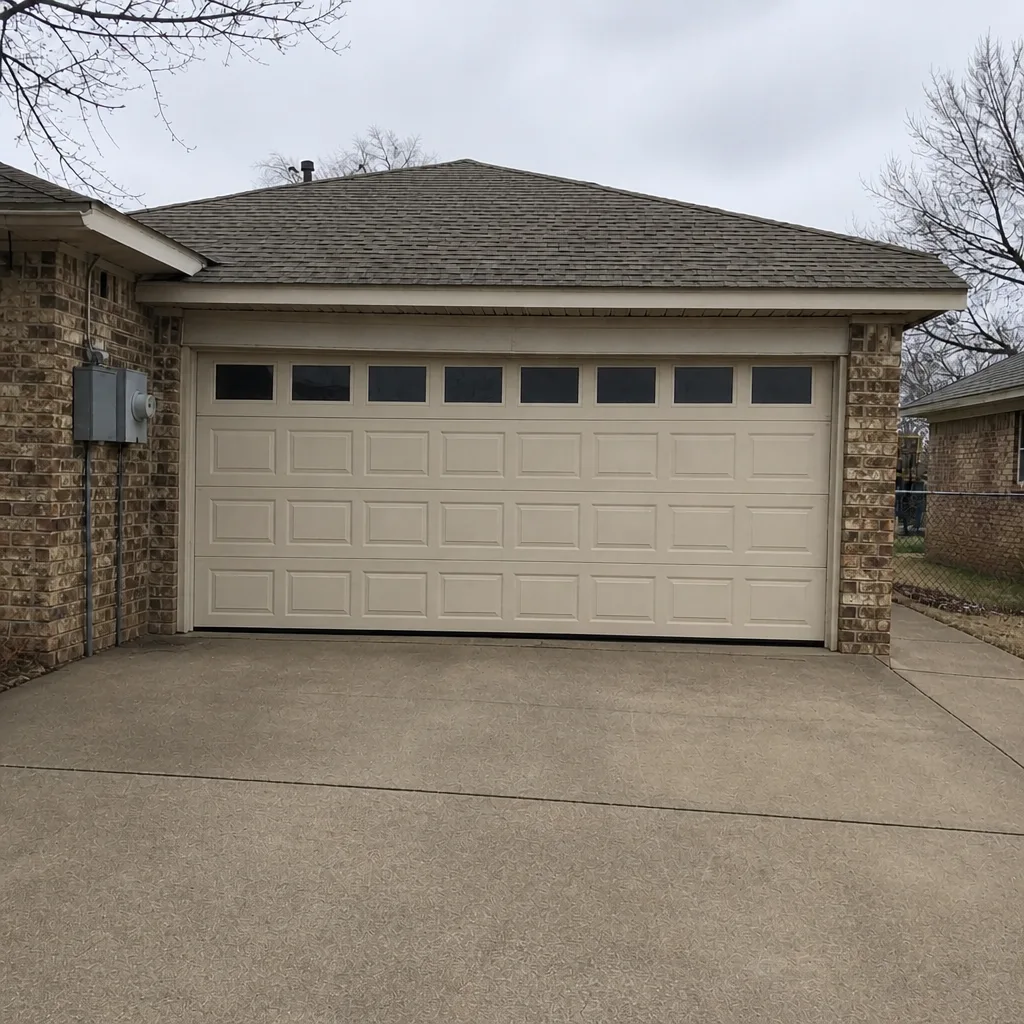 After
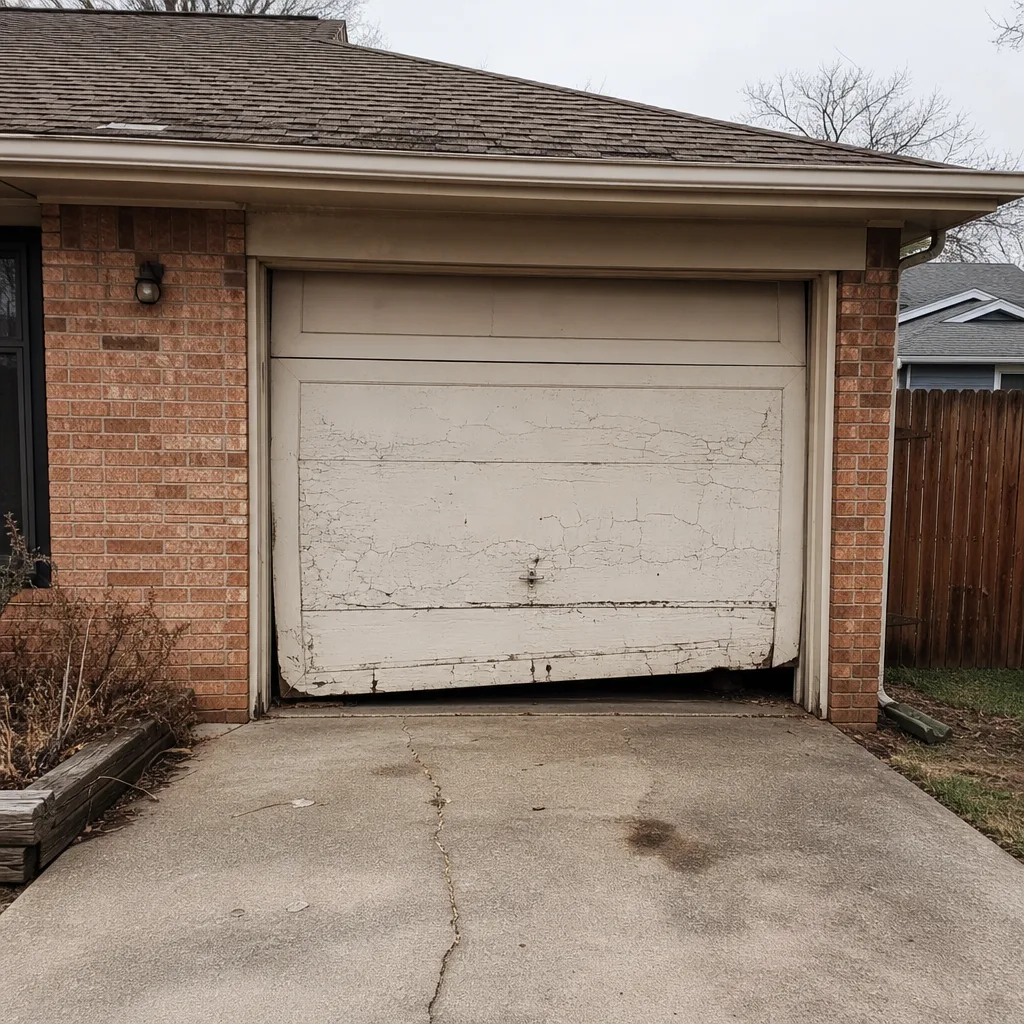 Before
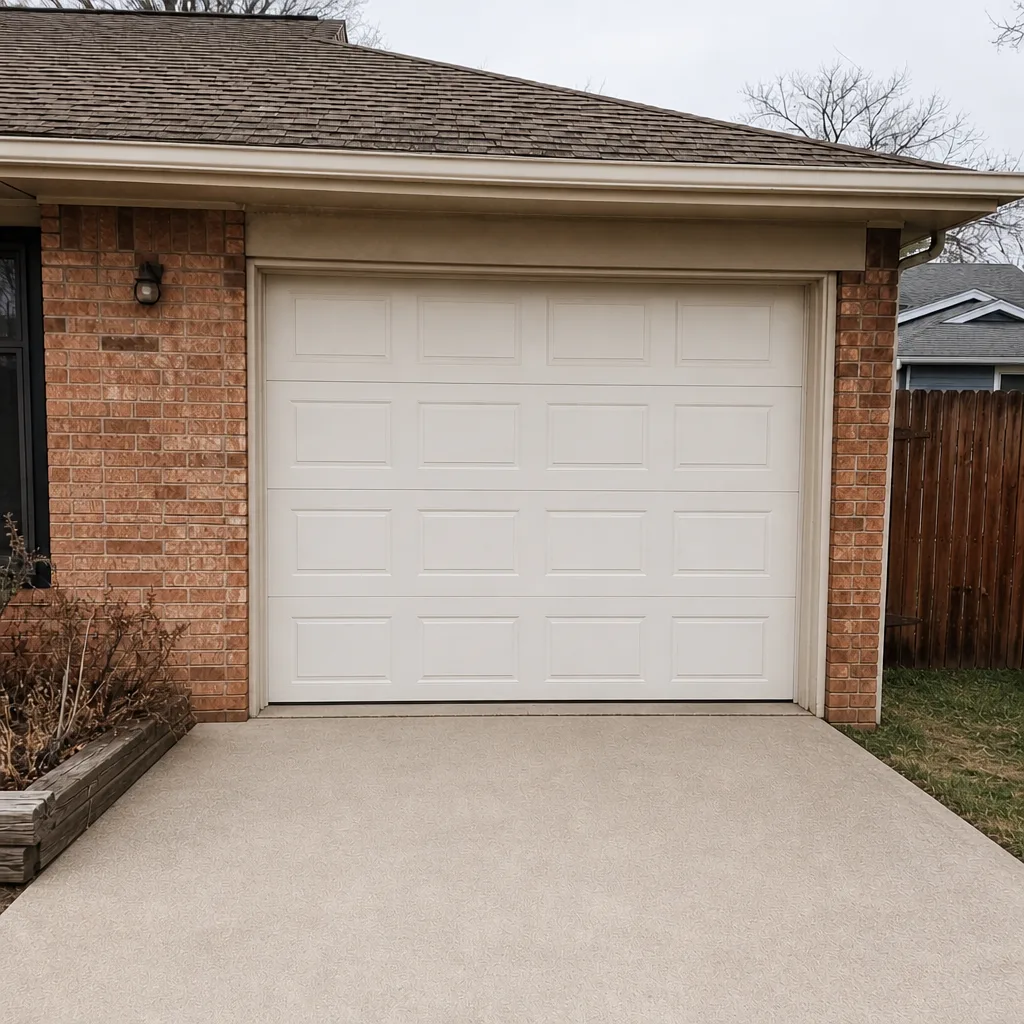 After
When to Call a Professional
Some things you can check yourself: whether your opener reverses when it meets an obstruction, whether the photo eyes line up, and whether the door balances when you lift it by hand. But several situations genuinely belong to a trained technician, and one of them is anything to do with the springs or cables. Garage door springs are under high tension, and a mishandled spring or cable can cause serious injury. The same goes for anything that involves wiring an opener, reconnecting a door to a misaligned track, or knocking out framing to change the door size. If your project is going to require a permit and inspection, call a professional who can pull the permit and document the install. Millbrook Garage Door Repair offers free estimates in Norman – call (866) 942-8099. We answer 24/7. Fast dispatch from 7am to 7pm, Sunday through Friday.
Frequently Asked Questions
Not always. A like-for-like replacement of the same size, weight, and style of door on an existing opening in a single-family home often doesn’t require a permit in Norman. But a change to the door size, weight, tracks, header, or framing does, and so does any door whose wind rating differs from the opening’s design requirement. Call the City of Norman building department before you order the door – their answer settles it. For help understanding whether your project crosses the threshold, call (866) 942-8099. Estimates are free.
An inspector checks whether the installed door’s wind load rating matches the opening’s design requirement, whether the tracks and fasteners meet the manufacturer’s specification, whether reinforcement struts are installed, whether the opener’s safety reversal and photo eyes work, and whether the required entrapment warning label is present. The inspection is a safety check, not a box-ticking exercise – the items they look at are the ones that fail in real life. If you’re not sure your door would pass, call (866) 942-8099 to have a technician look at it first.
Whoever is doing the work is generally responsible for pulling the permit. If a licensed contractor performs the work, the contractor pulls it. If the homeowner does the work themselves, the homeowner pulls it. The homeowner should always have the permit number in writing before work starts, and should keep the closed inspection report once it’s done. Call (866) 942-8099 for a written estimate that spells out the permitting plan.
Yes, it can. A buyer’s inspector, an appraiser, or a title searcher can flag unpermitted work or an open permit, and either can delay or hold up a closing until it’s resolved. The usual fix is a retroactive permit and inspection, which takes time – often in the middle of a transaction. Pulling the permit up front when the project is already scoped is far cheaper and simpler. Call (866) 942-8099 for a free estimate that includes permitting.
Yes, and it matters more here than in most parts of the country. Oklahoma’s residential code treats the garage door as part of the building envelope, so it has to be rated for the wind pressure the opening will see. In tornado-prone Norman, a door that’s undersized or incorrectly reinforced for its rating creates problems at resale and after storm claims. Door manufacturers like Clopay and Amarr publish documentation for each door’s rating, and we match the door to the opening. Call (866) 942-8099 for help choosing the right door.
No. The written estimate is the price you pay, and the price is agreed before any work starts. If the project scope changes once we’re on site – for example, if the tracks need to be replaced or a permit turns out to be required – we discuss it with you and re-quote before doing the extra work. No surprises on the invoice. Call (866) 942-8099 for a free, written estimate.
The Bottom Line
The garage door permit question in Norman comes down to whether your project is a swap or a change. A same-size, same-weight, same-style replacement on an existing opening is often exempt. Anything that changes the door’s size, weight, rating, tracks, or framing usually requires a permit and inspection. Oklahoma’s wind load requirements aren’t bureaucracy in a tornado-prone area – they’re the reason the door you choose has a documented rating, and that documentation is what protects you at resale and at claim time. The homeowner’s most reliable protection is simple: a licensed contractor who pulls the permit, documents the wind rating, and hands over the closed inspection report. Millbrook Garage Door Repair works on the brand you already have, handles repair, opener service, and installation under one roof, and treats the paperwork as part of the job. For a free estimate in Norman, call (866) 942-8099. We answer 24/7. Fast dispatch from 7am to 7pm, Sunday through Friday.
Written by the team at Millbrook Garage Door Repair.