
Last updated November 16, 2026
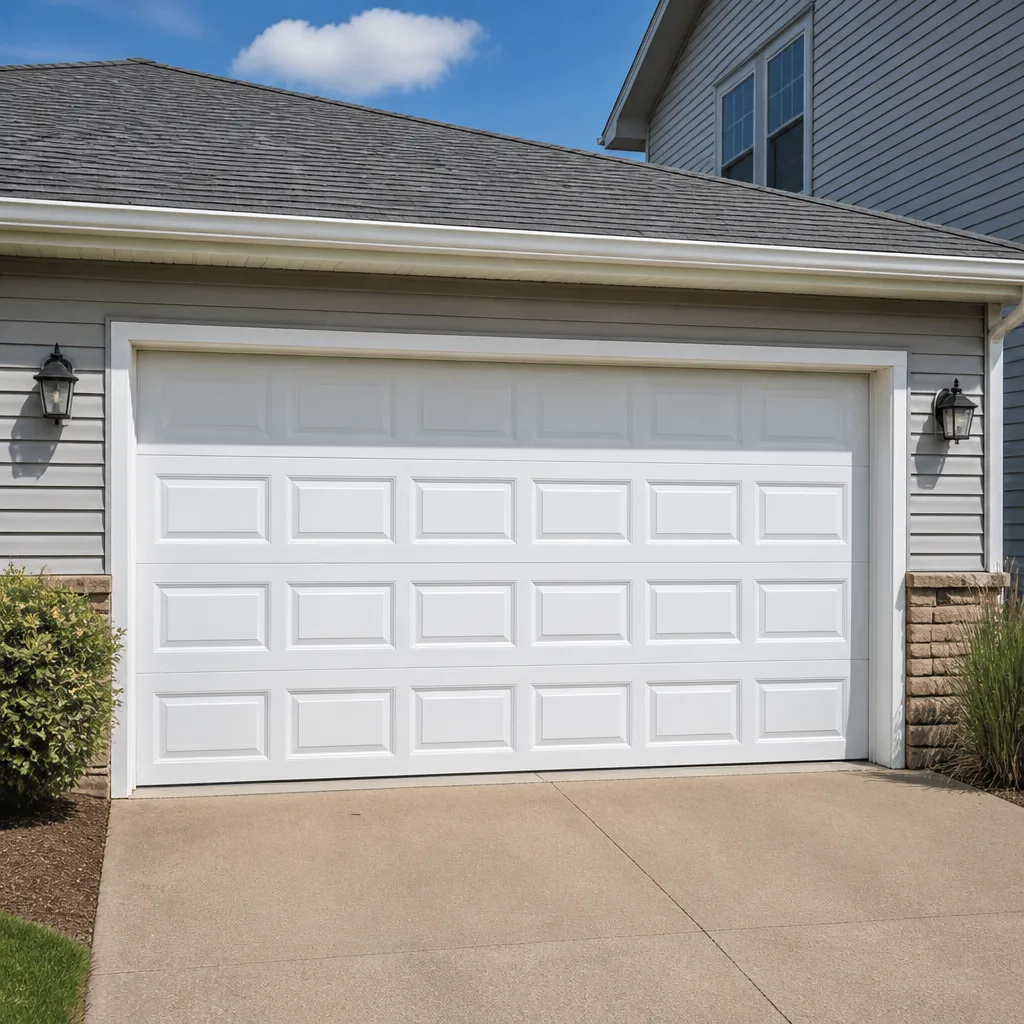 Raised-panel steel
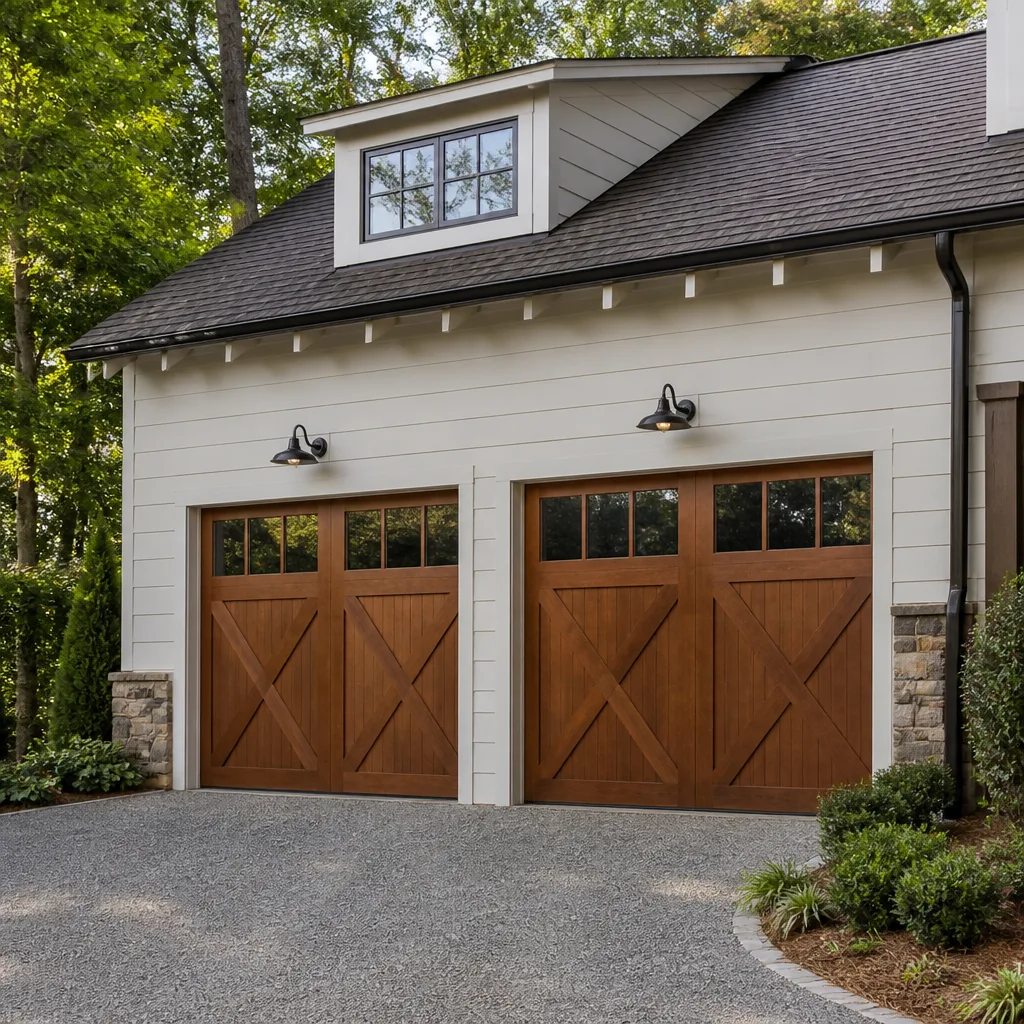 Carriage house
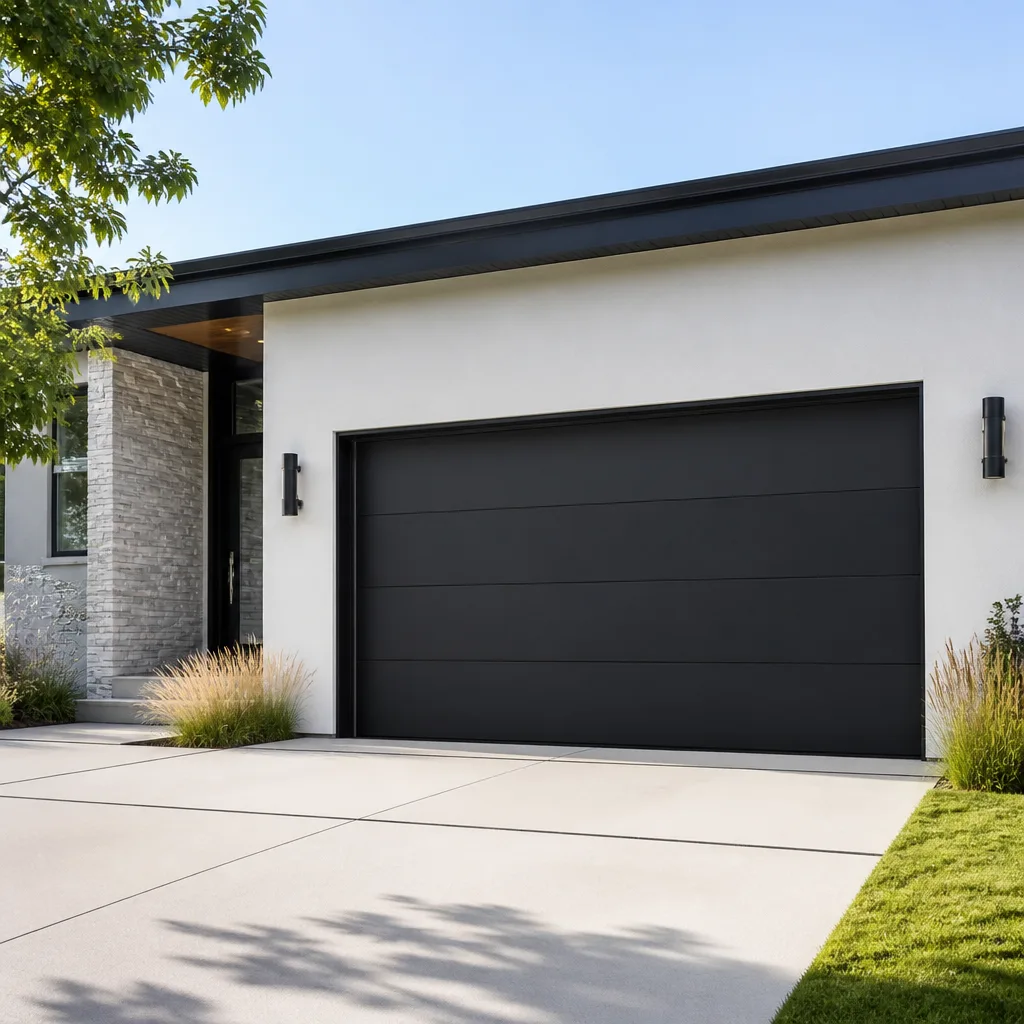 Modern flush
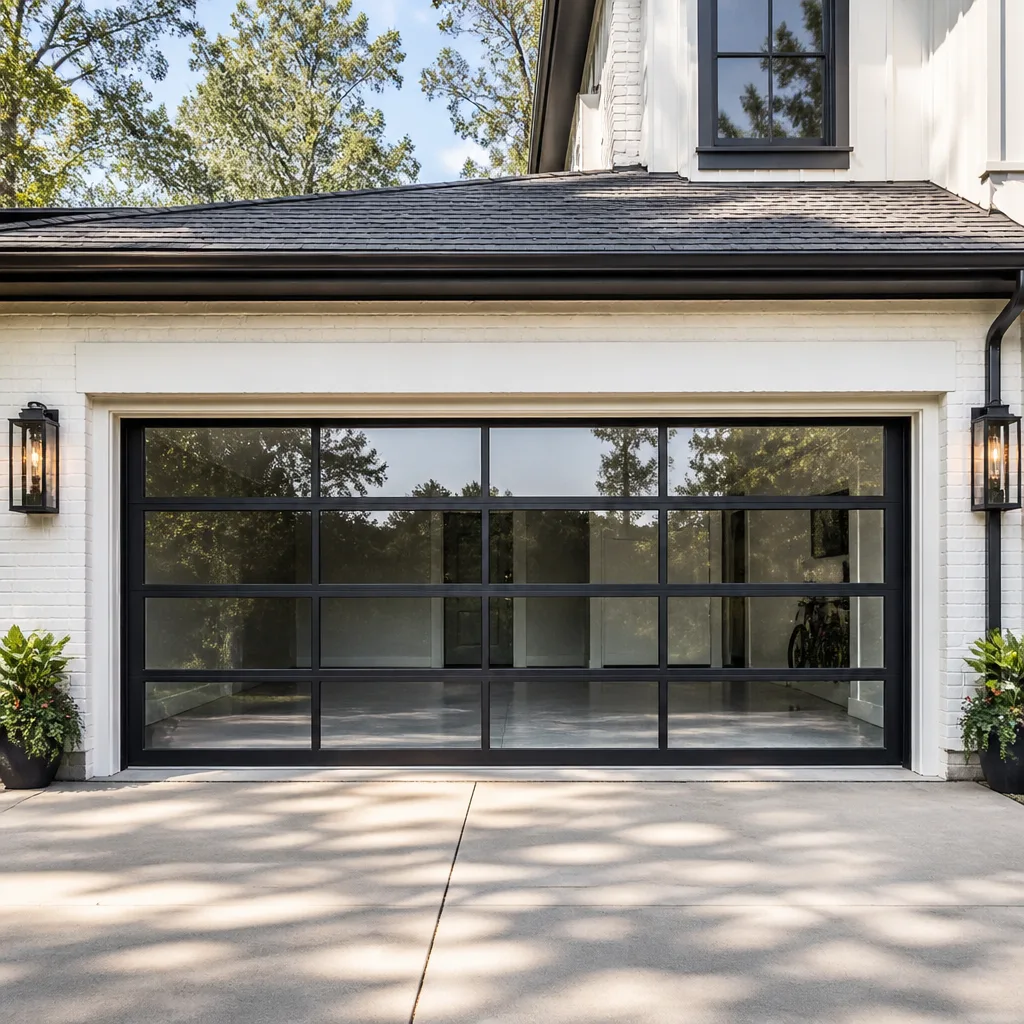 Full-view glass
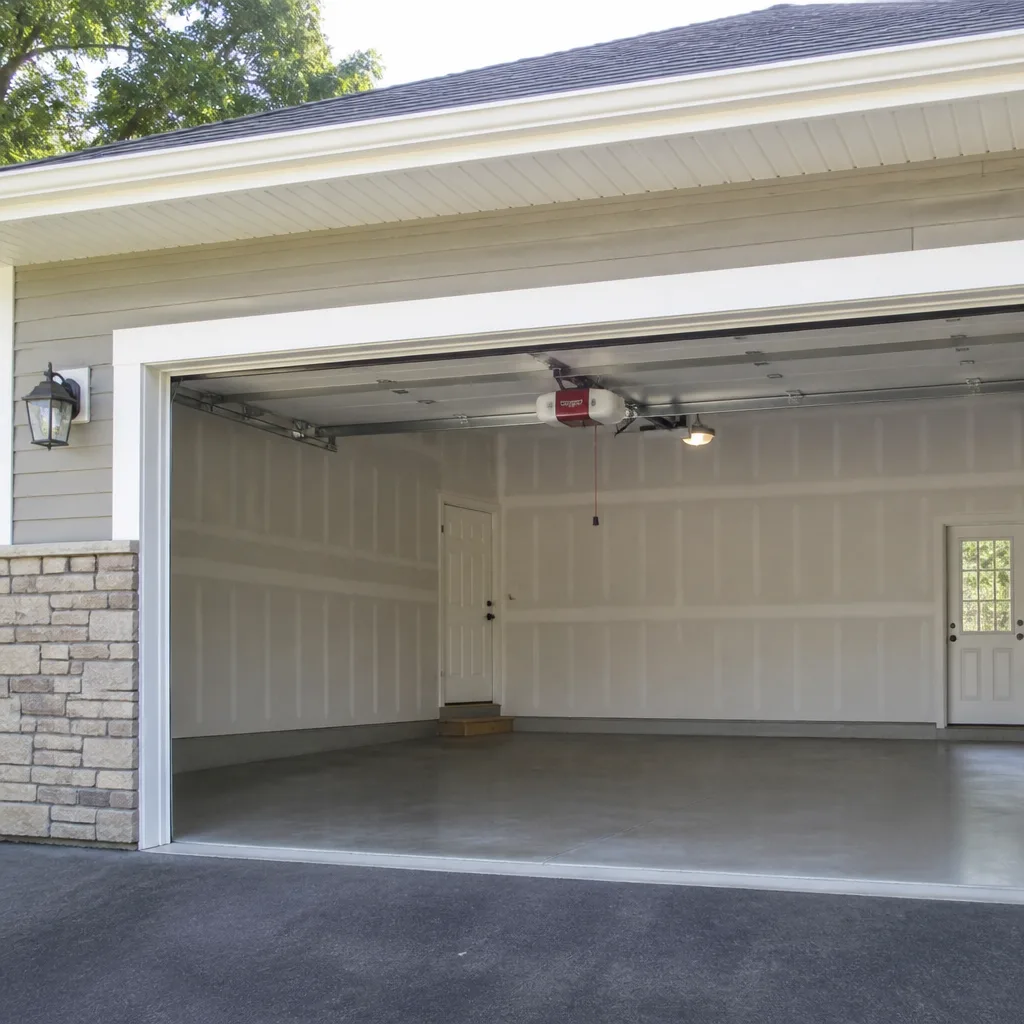 LiftMaster openers
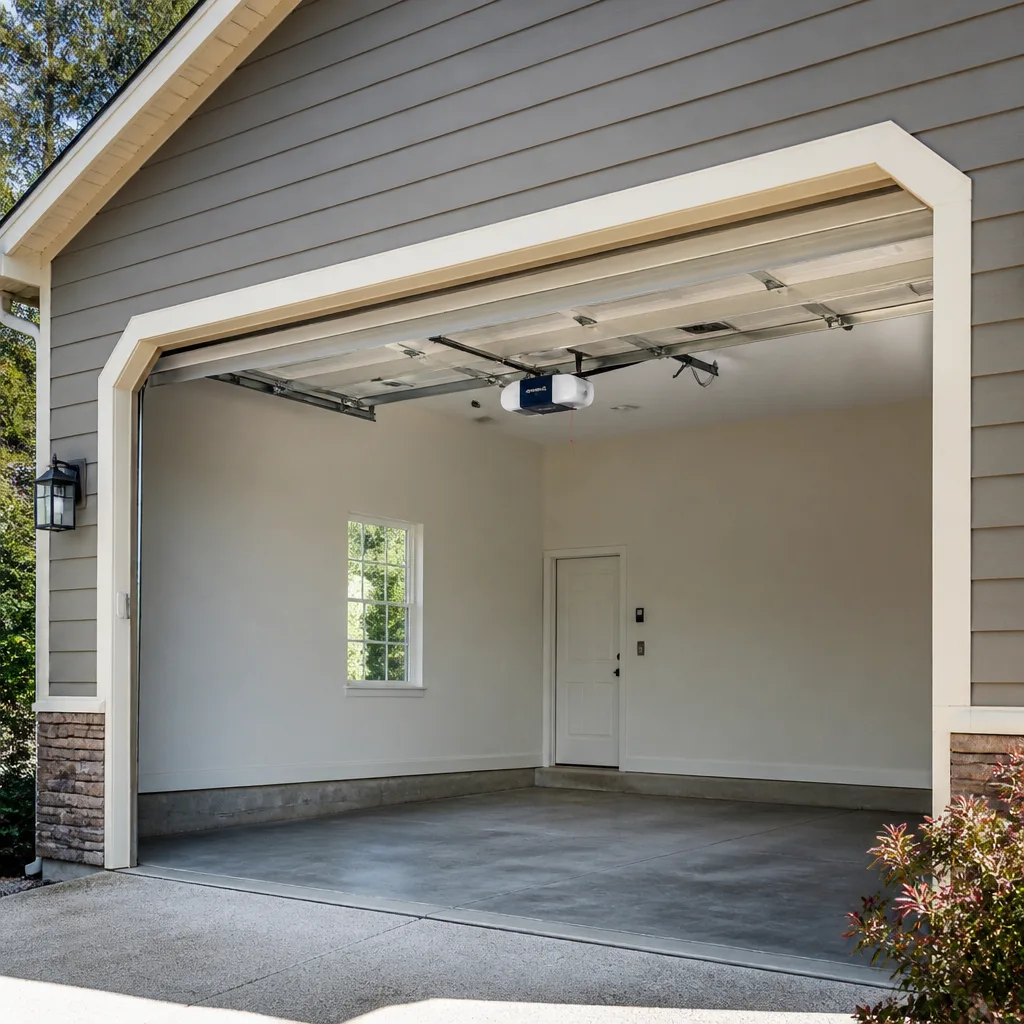 Chamberlain openers
Full 25-point door and opener safety check with every visit - springs, cables, rollers, tracks, and your LiftMaster or Chamberlain opener included
You get a price before we start. It does not change when the pro arrives.
Get your free estimateGarage Door Repair Troubleshooting in Norman: Common Problems and How to Fix Them
A grinding noise and a squealing noise both mean “something is wrong,” but they point to completely different parts – and fixing the wrong one wastes money and leaves the real problem in place. That’s the part most troubleshooting guides skip. They hand you a checklist of symptoms without teaching you how to read them. This guide works differently. We treat your garage door like a diagnostic patient: every sound, every movement pattern, and every failure mode is a clue pointing at a specific component. By the end, you’ll know what your door is telling you, which fixes are safe to try yourself in Norman’s humidity swings, and which ones need a trained hand before someone gets hurt.
Quick Answer
Most garage door problems fall into four groups – opener faults, spring or cable failure, track and roller wear, and sensor or safety-reverse issues – and the symptom you notice first usually identifies which group you’re in. Grinding points to rollers or tracks, squealing points to dry hinges or bearings, a loud pop points to a broken spring, and total silence points to the opener or its power supply. Anything involving springs, cables, or the torsion assembly is not a do-it-yourself job. Call a trained technician for those.
Styles & brands we work with
- Raised-panel steel
- Carriage house
- Modern flush
- Full-view glass
- LiftMaster openers
- Chamberlain openers
Table of Contents
- The Symptom-First Diagnostic Map
- Why “Won’t Open” and “Won’t Close” Are Almost Never the Same Problem
- How Oklahoma Humidity Mimics Mechanical Failures
- What’s Safe to Fix Yourself in Norman and What Isn’t
- When a Repeat Symptom Means the First Diagnosis Was Wrong
- Opener Problems: Legacy and Smart Systems
- Steel Doors vs. Wood Doors: Different Failures, Different Fixes
- Repair or Replace: How to Decide
The Symptom-First Diagnostic Map
The single most useful skill in garage door troubleshooting is matching a symptom to the component that produces it. Before you touch anything, listen. Here’s how the common sounds map to specific parts:
- Grinding: Worn or dry rollers, a bent track, or debris in the track channel. The sound is metal-on-metal friction, so it usually gets worse near a specific point in the door’s travel.
- Squealing or high-pitched whining: Dry hinges, dry rollers, or worn bearings in the opener’s motor. This is lubrication and wear, not structural failure.
- A loud pop or bang, followed by the door refusing to move: A broken torsion spring or extension spring. This is the most dangerous failure mode on any garage door and the one you should never try to fix yourself.
- Rattling or banging during travel: Loose hinges, loose mounting bolts, or a door that’s come out of alignment on its tracks.
- Total silence when you press the button: Opener power supply, a tripped circuit, a dead remote battery, or a failed logic board. Silence is electrical, not mechanical.
- Clicking but no movement: The opener is receiving the signal but the motor or drive gear isn’t engaging – often a stripped gear or a failed capacitor.
In our experience working through homes across Norman, the misdiagnosis we see most often is a homeowner treating a grinding noise as an opener problem when the actual cause is a worn roller dragging in the track. The opener is just the thing making the noise loud enough to notice. Match the sound to the part before you decide what to replace.
Why “Won’t Open” and “Won’t Close” Are Almost Never the Same Problem
A door that won’t open and a door that won’t close look like the same complaint, but they involve different systems and different safety circuits. Treating them as one problem is the second most common troubleshooting mistake.
When a door won’t open, the likely culprits are:
- A broken spring (the door is too heavy for the opener to lift)
- A snapped lift cable
- A failed opener motor or stripped drive gear
- A dead remote or wall-station battery
- A power interruption to the opener
When a door won’t close, the safety system is usually involved. Nearly every modern opener has a safety-reverse feature: if the photo-eye sensors near the floor detect an obstruction, or if the door meets resistance on the way down, the opener reverses. So a door that opens fine but refuses to close is often telling you:
- The photo-eye sensors are misaligned, dirty, or blocked
- The sensor wiring has come loose or been damaged
- The down-limit switch is set too high
- The door is binding on one side, triggering the resistance sensor
This distinction matters enormously in Norman, where windblown dust and pollen collect on the photo-eye lenses more than most homeowners realize. A “broken” door that won’t close is sometimes just a dirty sensor lens. Wipe the lenses clean and check the alignment before you assume the opener is failing.
How Oklahoma Humidity Mimics Mechanical Failures
Norman sits in a climate with wide humidity swings – muggy summers and drier winter stretches – and those swings do things to a garage door that look exactly like mechanical failure but aren’t.
Wood doors absorb moisture and swell. A wood door that fit perfectly in October can bind in its tracks by July. The door isn’t out of alignment, the wood has literally grown. When the humidity drops, the binding often disappears on its own. If your wood door sticks seasonally, that’s a climate symptom, not a track problem – though the swelling can eventually warp the door permanently if it’s allowed to bind year after year.
Steel doors behave differently. Steel itself doesn’t swell, but the insulation inside some steel doors can absorb moisture, and the joints and seams can collect condensation. In our experience, steel doors in Norman tend to show hinge corrosion and roller wear faster in humid stretches, which then produces the grinding and squealing sounds homeowners mistake for a failing opener.
Both materials can cause track misalignment when the garage slab shifts with soil moisture. Norman’s clay-heavy soil expands and contracts, and a track bolted to a moving slab can drift out of plumb over a season. A door that suddenly scrapes on one side in spring may be a soil-moisture issue, not a hardware failure.
What this means for troubleshooting: before you replace anything, check whether the problem is seasonal. If the same door binds every summer and frees up every fall, the fix is often adjusting the track and lubricating the moving parts, not replacing them. If the problem is new and persistent, that’s when a mechanical cause is more likely.
What’s Safe to Fix Yourself in Norman and What Isn’t
Here’s the line that matters most: springs and cables are not do-it-yourself territory. A torsion spring under tension stores enough energy to cause serious injury or worse if it releases unexpectedly. The same is true of lift cables, which are under constant tension and can snap back with force. No amount of YouTube research makes those safe to handle without the right tools and training. If your symptom points to a spring or cable, stop and call a professional.
What is genuinely safe to try yourself:
- Clean the photo-eye sensors. Wipe the lenses near the floor with a soft cloth and check that they’re pointed at each other. This fixes a surprising share of “won’t close” complaints.
- Check the remote battery. If the wall station works but the remote doesn’t, it’s almost always the battery.
- Lubricate hinges and rollers. A garage-door-specific lubricant on the hinges, rollers, and track will quiet most squealing. Don’t use household oil or WD-40 as a long-term fix – it attracts dust.
- Clear debris from the tracks. Leaves, grit, and small objects in the track channel cause grinding. Sweep them out.
- Check the manual release. If the door won’t open, pull the red release cord to disconnect the opener and see if the door moves freely by hand. If it does, the opener is the problem. If it doesn’t, the door itself is binding or the spring is compromised – call a pro.
- Reset the opener. A power cycle clears a surprising number of glitches, especially on smart openers.
If those six steps don’t solve it, the problem is almost certainly in the spring, cable, track alignment, or opener internals – all of which need a trained technician. Our garage door repair service covers all of it, and we’ll tell you honestly whether the fix is simple or whether the door is telling you it’s time for something bigger.
When a Repeat Symptom Means the First Diagnosis Was Wrong
A symptom that keeps coming back is a message: the underlying cause was never fixed. The part that failed was replaced, but the reason it failed was not addressed.
This happens most often with three problems:
- Repeated roller wear on one side. If the same roller keeps wearing out, the track is probably out of alignment and pushing the door against that roller. Replacing the roller again won’t help. The track needs to be straightened.
- Repeated opener failure. If the opener keeps overheating or the gear keeps stripping, the door is likely too heavy for it – often because a spring has weakened gradually and nobody noticed. The opener isn’t failing; it’s being overworked.
- Repeated sensor tripping. If the door keeps reversing, the sensor wiring may be intermittent, or the sun may be hitting one sensor directly and blinding it. That’s a placement problem, not a sensor problem.
When you call a technician about a repeat symptom, tell them exactly this: “This was fixed before, and it came back.” That single sentence changes the diagnostic path. It tells the technician to look past the failed part and find what’s causing the repeated failure. A technician who knows the door has failed the same way twice will check the springs, track alignment, and opener load instead of just swapping the part again. That’s the kind of diagnosis that actually ends the cycle.
Opener Problems: Legacy and Smart Systems
Opener diagnosis is its own discipline, and it’s split between older legacy systems and newer smart-home units. The two fail in different ways.
Legacy openers – the kind still running in plenty of Norman garages – tend to fail mechanically. Stripped drive gears, worn capacitors, and tired motors are the usual suspects. They also tend to have simpler safety circuits, so a door that won’t close is more likely to be a limit-switch problem than a sensor problem.
Smart openers fail electronically as often as mechanically. Connectivity drops, firmware glitches, and app-pairing issues are common. The good news is that most of these are resolved by a power cycle or a re-pair. The bad news is that a smart opener that disconnects from Wi-Fi can still open and close the door fine – so if the door works but the app doesn’t, you have a networking problem, not a door problem.
We work on the major opener brands homeowners actually own – LiftMaster, Chamberlain, Genie, and Craftsman among them – so whether your unit is a legacy chain-drive or a newer smart belt-drive, the diagnosis follows the same logic: is the signal reaching the opener, is the motor engaging, and is the door’s weight within what the opener can lift? If you’ve ruled out the simple fixes, our garage door opener repair service handles both legacy and smart units, and we’ll tell you whether a repair makes sense or whether the unit has reached the end of its service life.
Steel Doors vs. Wood Doors: Different Failures, Different Fixes
Whether your door is steel or wood changes what’s likely to fail and how you should troubleshoot it. Knowing which you have saves a lot of wasted effort.
Steel doors (common in Norman subdivisions built in the last few decades) tend to fail at the joints. Hinges loosen, rollers wear, and the bottom seal deteriorates. The panel itself usually holds up well, but the hardware attached to it takes the wear. Steel doors also transmit noise more than wood, so a grinding or rattling sound on a steel door is often louder than the actual problem. On the plus side, steel doors don’t swell with humidity, so seasonal binding is rarely a steel-door problem unless the track has shifted.
Wood doors fail differently. They swell, they warp, and they need periodic refinishing to keep moisture out. A wood door that’s binding in summer and fine in winter is a moisture problem, and the fix is often adjusting the track and sealing the door, not replacing hardware. Wood doors also tend to be heavier, which puts more load on the opener and springs – so a wood door is more likely to wear out its springs faster than a comparable steel door. If you’re running a heavier wood door and your opener keeps straining, that’s the reason.
Whichever material you have, the diagnostic principle is the same: identify whether the problem is in the door (weight, alignment, material) or in the hardware (springs, rollers, opener). The material tells you which is more likely.
Repair or Replace: How to Decide
Not every garage door problem is a repair problem. Sometimes the honest answer is that the door has reached the point where replacement is the smarter investment. Here’s how we think about it.
Repair usually makes sense when:
- The door is structurally sound and the problem is a single component (a spring, a roller, a sensor)
- The opener is modern and the door’s weight is within its capacity
- The door is under 15 years old and the panels are intact
- The problem is isolated and not recurring
Replacement usually makes sense when:
- The door has multiple failing components at once (springs, rollers, and opener all showing wear)
- The panels are dented, warped, or rusted through
- The door is old enough that repairs will keep coming
- You’re upgrading for curb appeal or insulation and the current door can’t be brought up to that standard
We work with premium door brands including Clopay, Amarr, Wayne Dalton, and Raynor, so when replacement is the right call, we can help you select a door that fits your home’s style and your budget rather than just installing whatever’s on hand. For homeowners in established Norman neighborhoods where the housing stock is older, we often find that a well-chosen replacement door is the better long-term move – but we’ll tell you if a repair will get you several more good years.
Common Mistakes to Avoid
- Assuming every noise is an opener problem. The opener is often just the loudest thing in the system. A grinding noise is usually a roller or track issue, and replacing the opener won’t fix it.
- Using WD-40 as a long-term lubricant. It works as a quick fix but attracts dust, which makes the grinding worse over time. Use a garage-door-specific lubricant on hinges and rollers.
- Adjusting the springs yourself. This is the mistake with the highest consequences. Torsion springs store enormous energy, and a wrong move can cause serious injury. Leave spring work to a trained technician.
- Ignoring seasonal binding. A wood door that sticks every summer is telling you the humidity is swelling it. Left alone, that binding can warp the door permanently. Adjusting the track and sealing the door early prevents the bigger repair later.
- Replacing the same part twice. If a roller keeps failing, the cause is the track, not the roller. Fix the cause, not the symptom. This is where a proper diagnosis saves real money.
- Skipping the sensor check on a door that won’t close. In Norman, dust and pollen on the photo-eye lenses cause a surprising number of “broken” doors. Clean the lenses before assuming the opener has failed.
- Running a heavier wood door on an undersized opener. The opener will strain and fail early. If your wood door is heavy, make sure the opener is rated for it.
See the difference
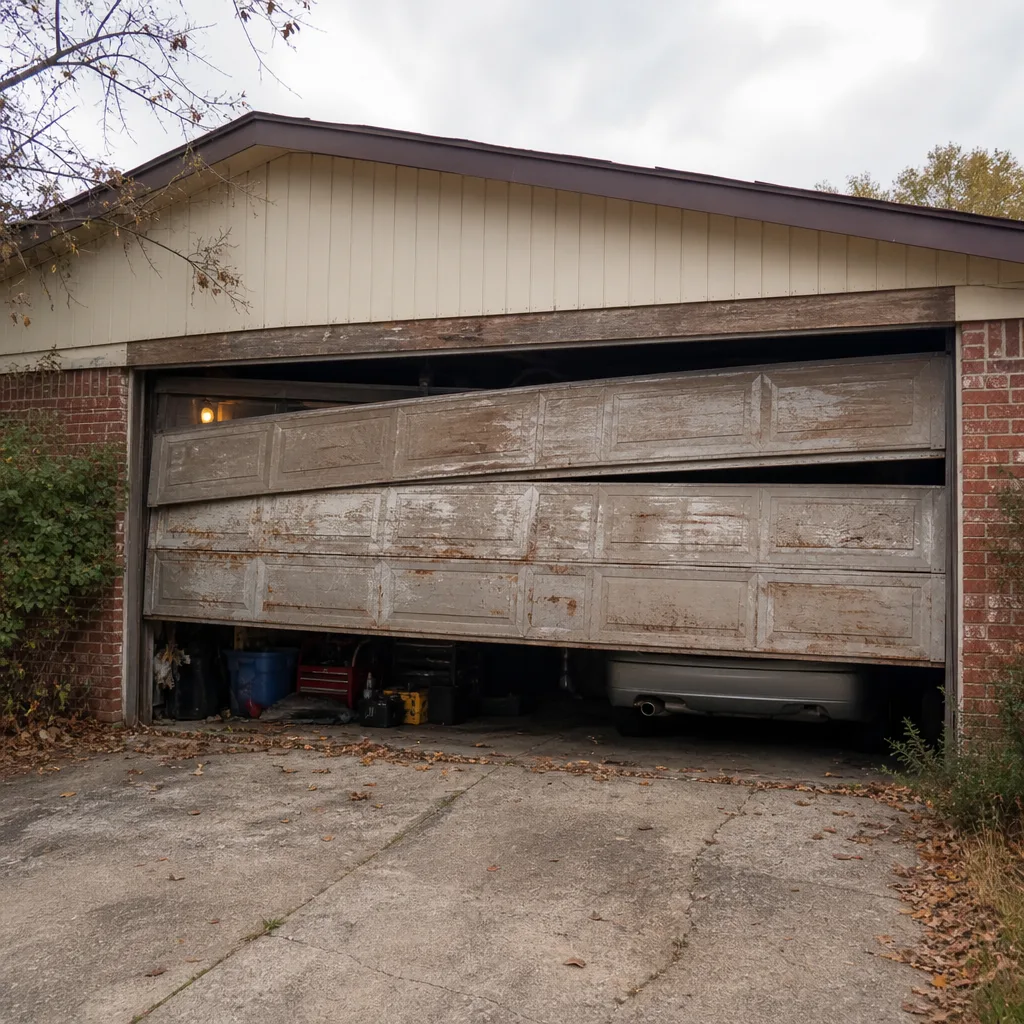 Before
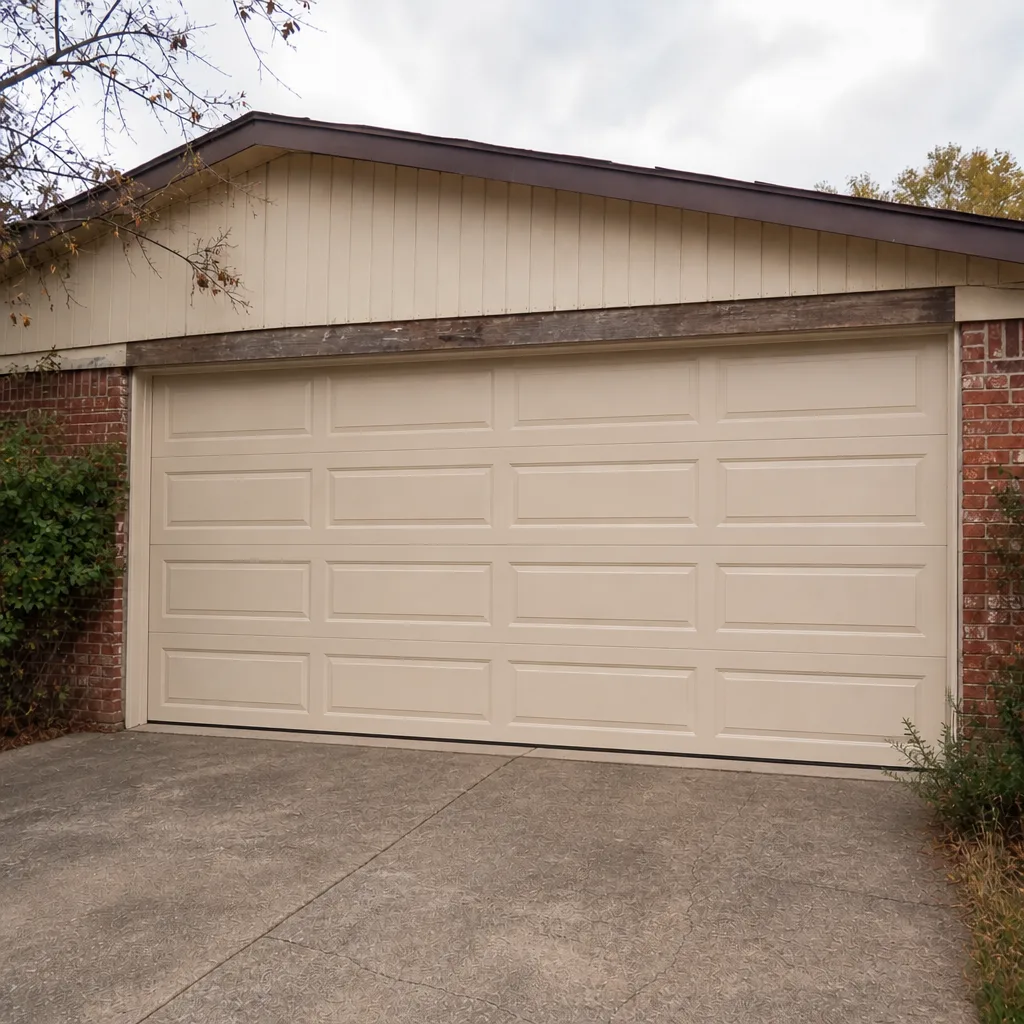 After
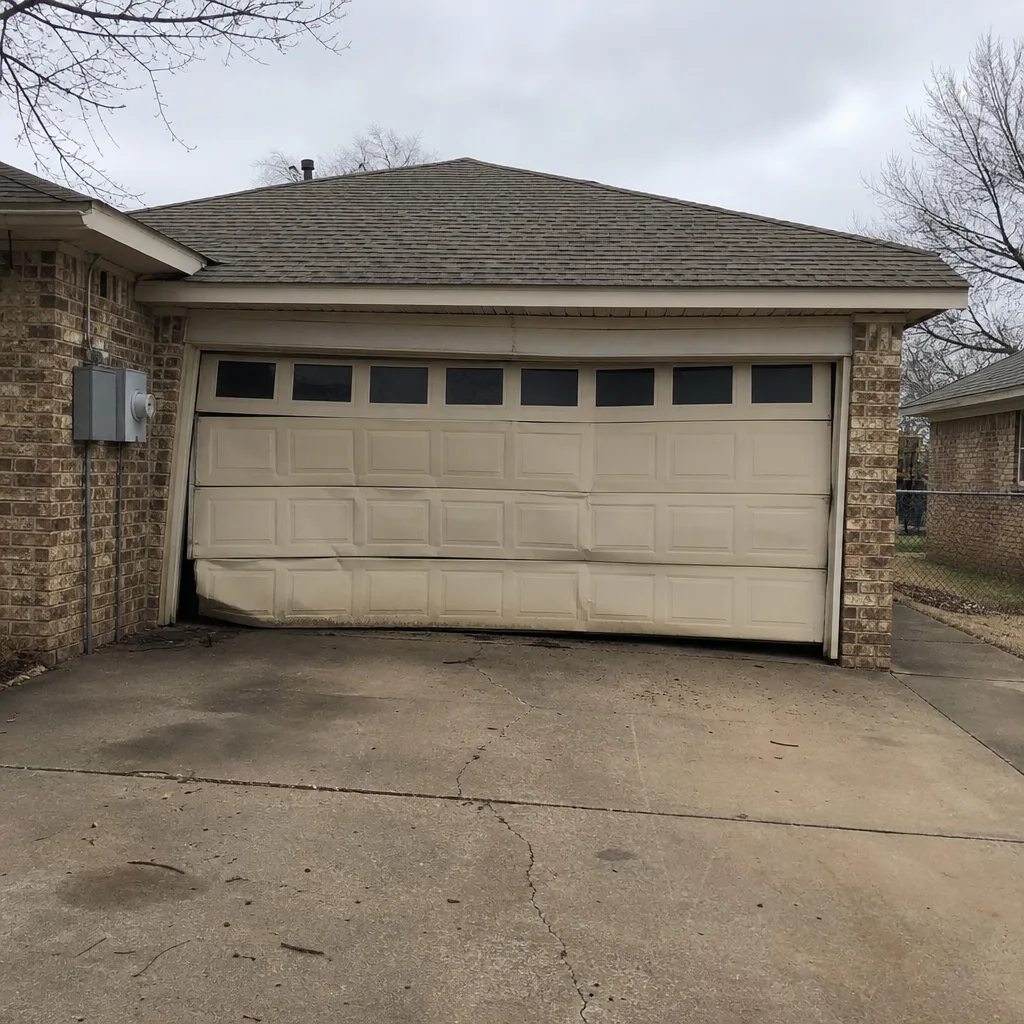 Before
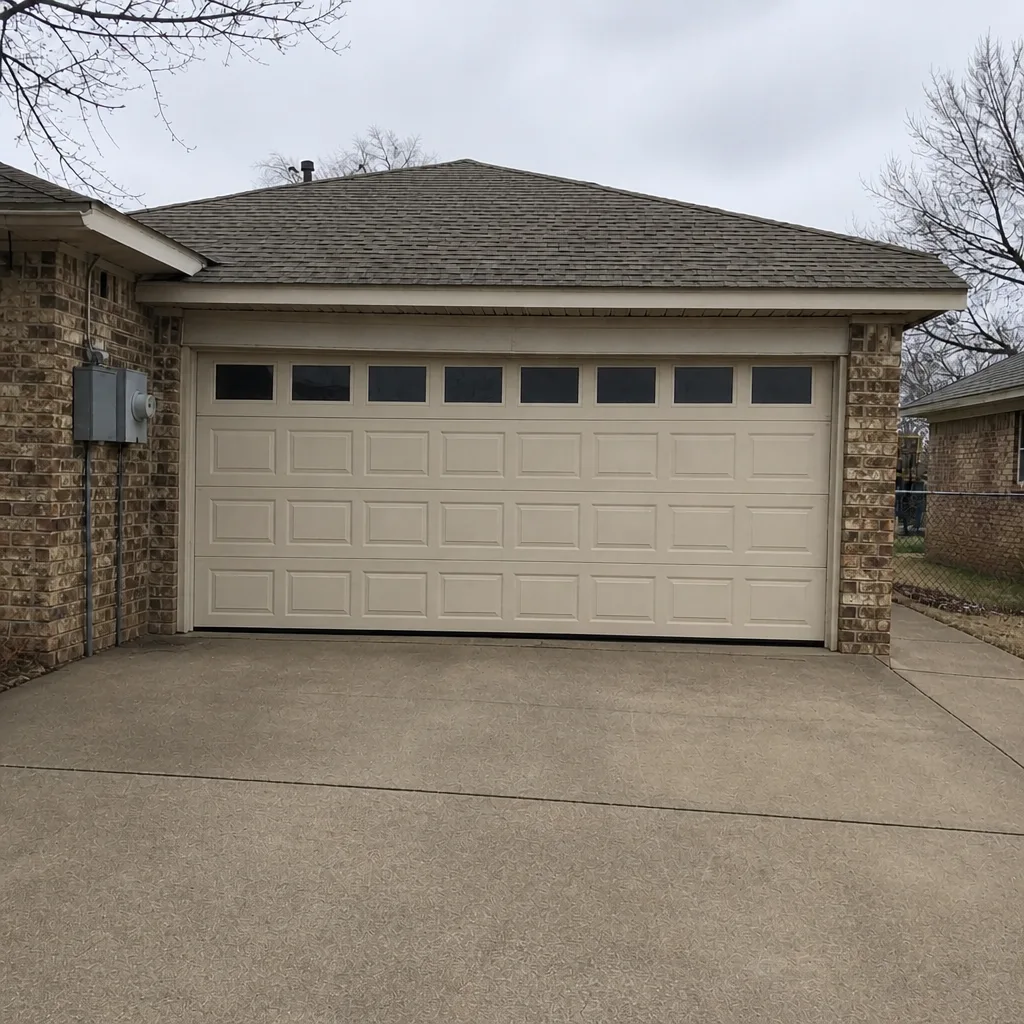 After
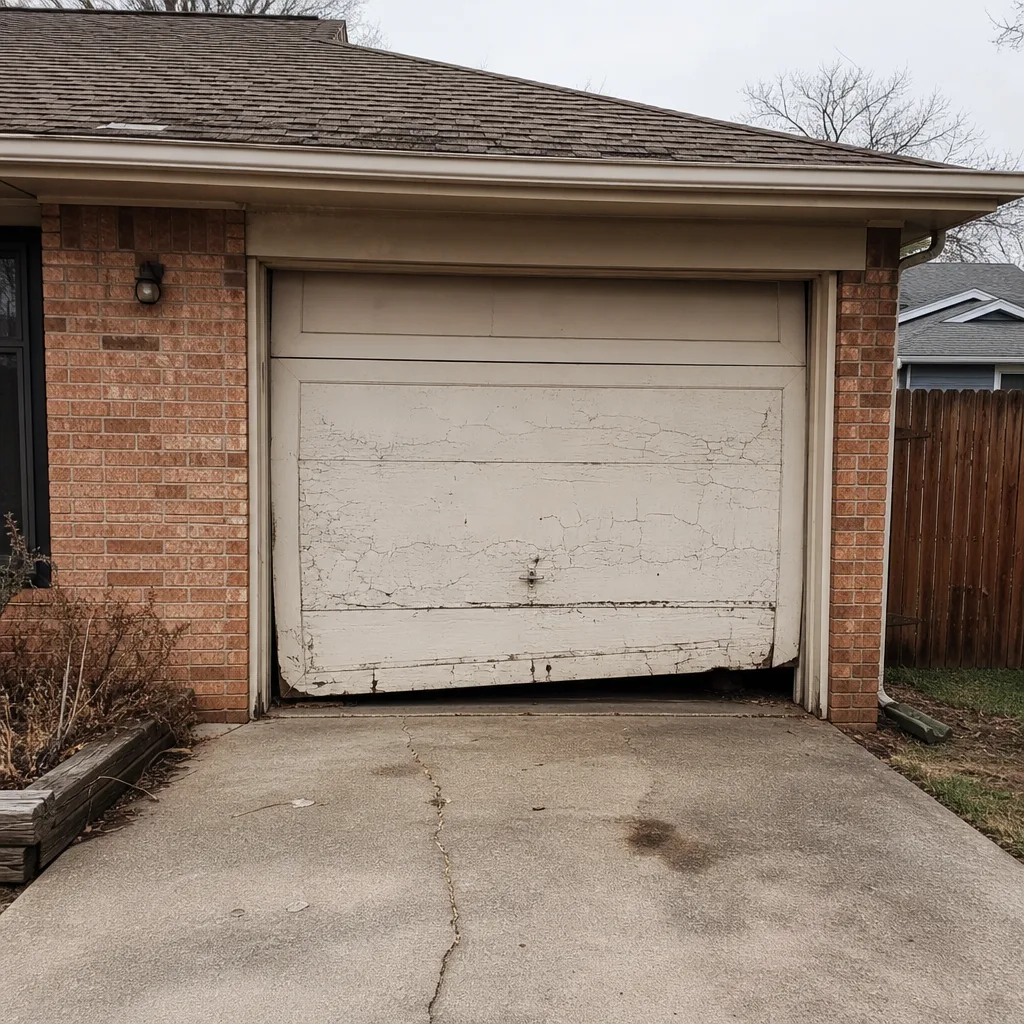 Before
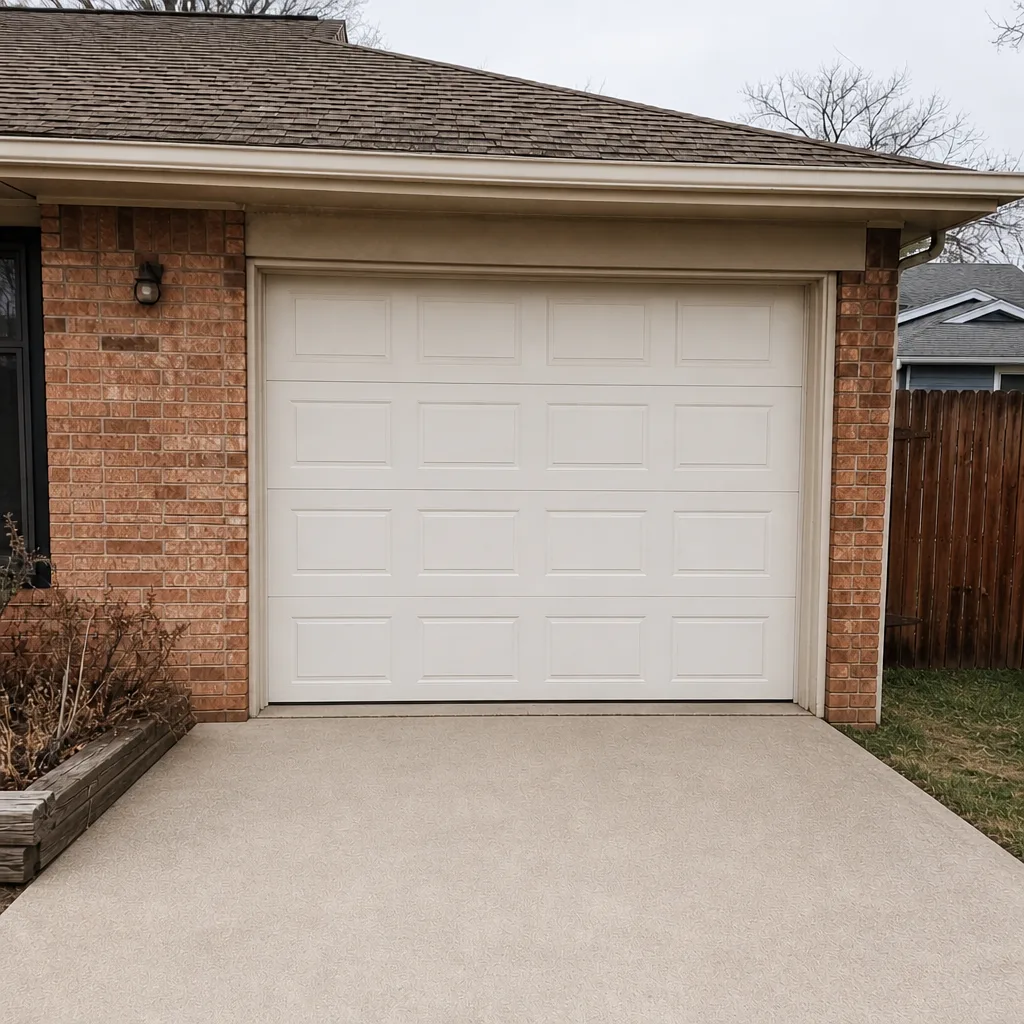 After
When to Call a Professional
Some problems are safe to troubleshoot yourself, and some aren’t. Call a professional when your symptom points to a spring or cable (a loud pop followed by a door that won’t move, a sagging door, a visible gap in the torsion assembly), when the door is binding and the tracks have shifted, when the opener is making mechanical noises or repeatedly failing, or when a symptom has come back after a previous repair. Millbrook Garage Door Repair offers free estimates in Norman – call (866) 942-8099. We answer 24/7. Fast dispatch from 7am to 7pm, Sunday through Friday.
We work on the brand you already have, whether your opener is a LiftMaster or a Genie and your door is a Clopay or a Wayne Dalton. Garage doors are all we do, so the diagnosis is focused from the first call. If you’re weighing repair against replacement, we’ll tell you which one actually makes sense instead of pushing you toward the bigger job.
Frequently Asked Questions
Broken springs and worn rollers are the two most common problems we see in Norman, followed closely by misaligned photo-eye sensors that stop a door from closing. Springs fail because they carry the door’s weight through thousands of cycles, and Oklahoma’s humidity swings accelerate wear on wood doors. Rollers wear from friction, and sensor issues come from dust and pollen collecting on the lenses.
A grinding door that still opens and closes is usually suffering from worn or dry rollers, a bent track, or debris in the track channel – not a failing opener. The sound is metal-on-metal friction. Lubricate the rollers and hinges and clear the tracks first. If the grinding continues or gets worse, the rollers or track need to be checked by a technician before the friction damages the door.
No. A broken torsion or extension spring should never be replaced by a homeowner. Springs store enough energy to cause serious injury or worse if they release unexpectedly, and the tools and training required aren’t typical homeowner equipment. Call a trained technician for any spring or cable problem. This is the one troubleshooting rule we never bend.
A door that opens but won’t close usually has a safety-reverse issue: misaligned, dirty, or blocked photo-eye sensors near the floor, or a down-limit switch set too high. Clean the sensor lenses and check their alignment first. In Norman, dust and pollen on the lenses are a common cause. If cleaning doesn’t fix it, the sensor wiring or the opener’s logic board may need a technician’s attention.
You need a new door when multiple components are failing at once, the panels are dented or warped, or repairs keep recurring. A single component failure on a structurally sound door is usually a repair. We work with Clopay, Amarr, Wayne Dalton, and Raynor, so if replacement is the right call, we can help you select a door and install it. If a repair will get you several more years, we’ll tell you that too.
Yes. We work on LiftMaster, Chamberlain, Genie, and Craftsman openers, along with doors from Clopay, Amarr, Wayne Dalton, and Raynor. Whether your unit is a legacy chain-drive or a newer smart opener, we diagnose whatever’s in your garage rather than steering you toward a brand we prefer. Call (866) 942-8099 for a free estimate – estimates are free and the price is quoted before any work starts.
The Bottom Line
Garage door troubleshooting works best when you treat the door as a diagnostic patient. Match the symptom to the component before you touch anything: grinding means rollers or tracks, squealing means lubrication, a loud pop means a broken spring, and silence means the opener or its power. Keep “won’t open” and “won’t close” separate, because they point at different systems. Watch for Oklahoma humidity mimicking mechanical failure on wood doors. And respect the line between safe fixes and spring work, which always belongs to a trained technician. If a symptom keeps coming back, the first diagnosis missed the cause – tell your technician it’s a repeat, and they’ll find the reason.
When you’re ready for a trained eye, Millbrook Garage Door Repair handles repair, opener service, and installation under one company. Our technicians have up to 11 years of experience, and we serve homeowners throughout Norman and the surrounding area. Call (866) 942-8099 for a free estimate. We answer 24/7, with fast dispatch from 7am to 7pm, Sunday through Friday.
Written by the team at Millbrook Garage Door Repair.