
Last updated November 16, 2026
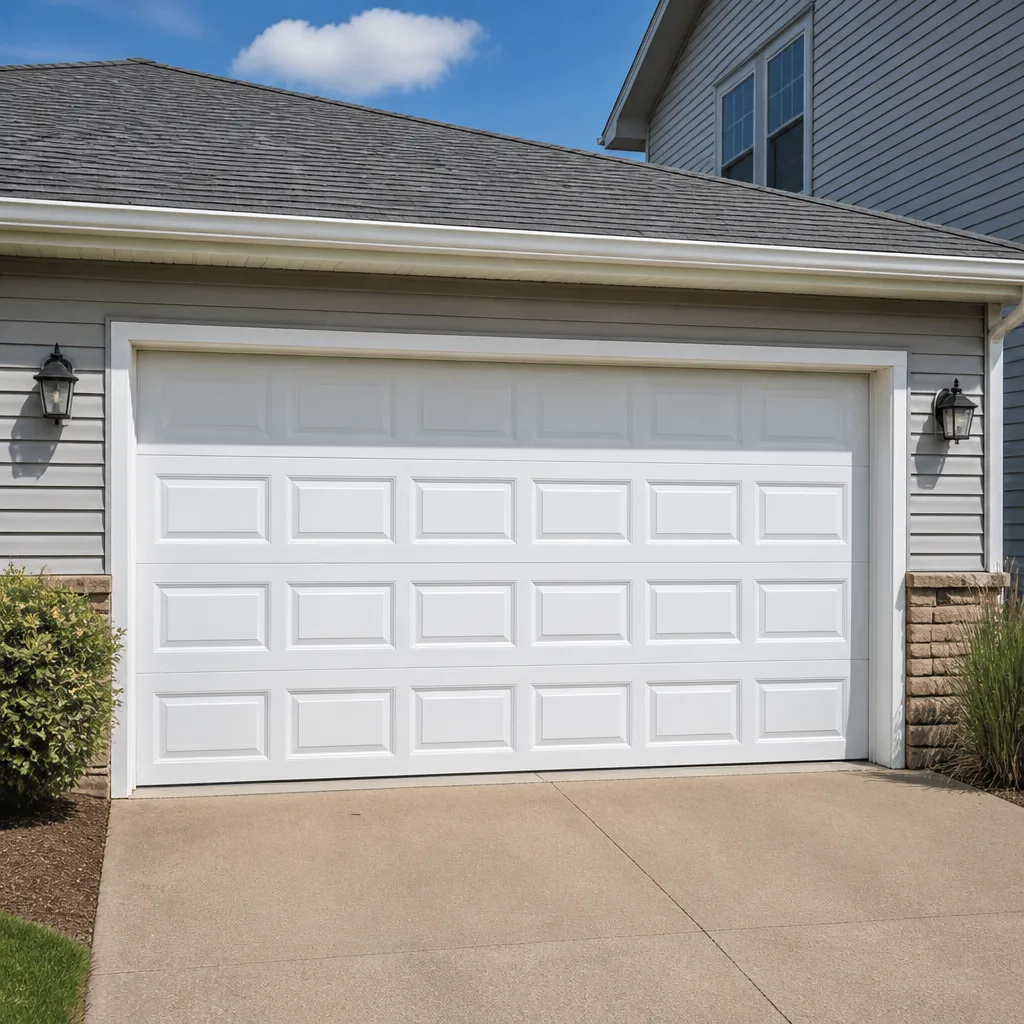 Raised-panel steel
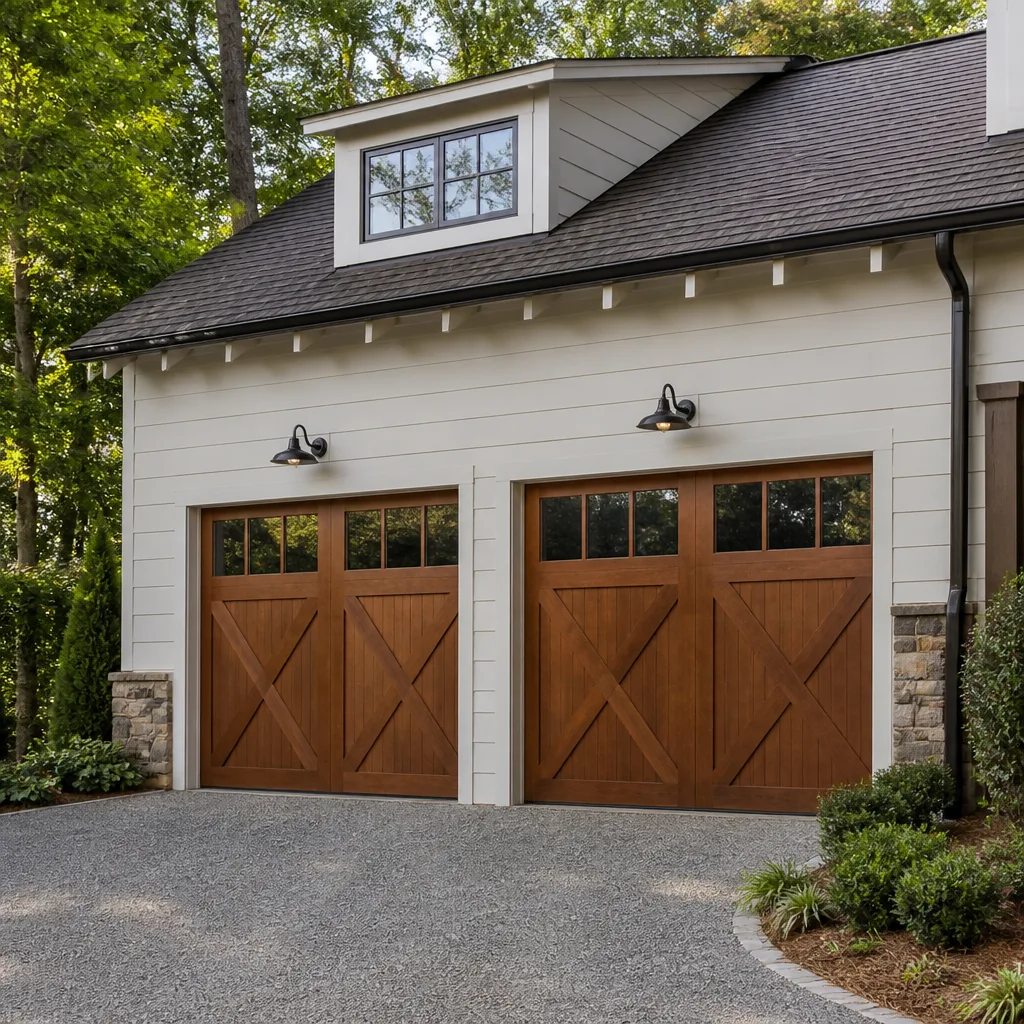 Carriage house
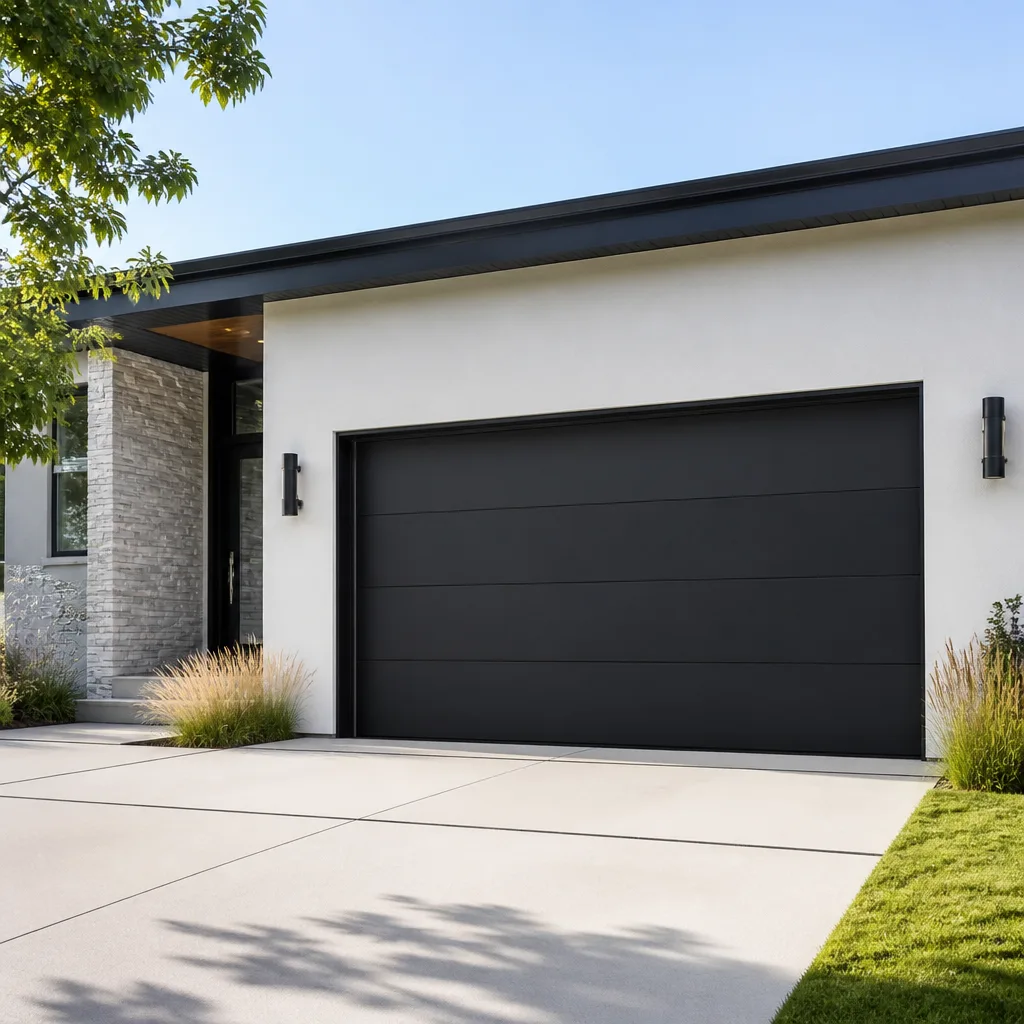 Modern flush
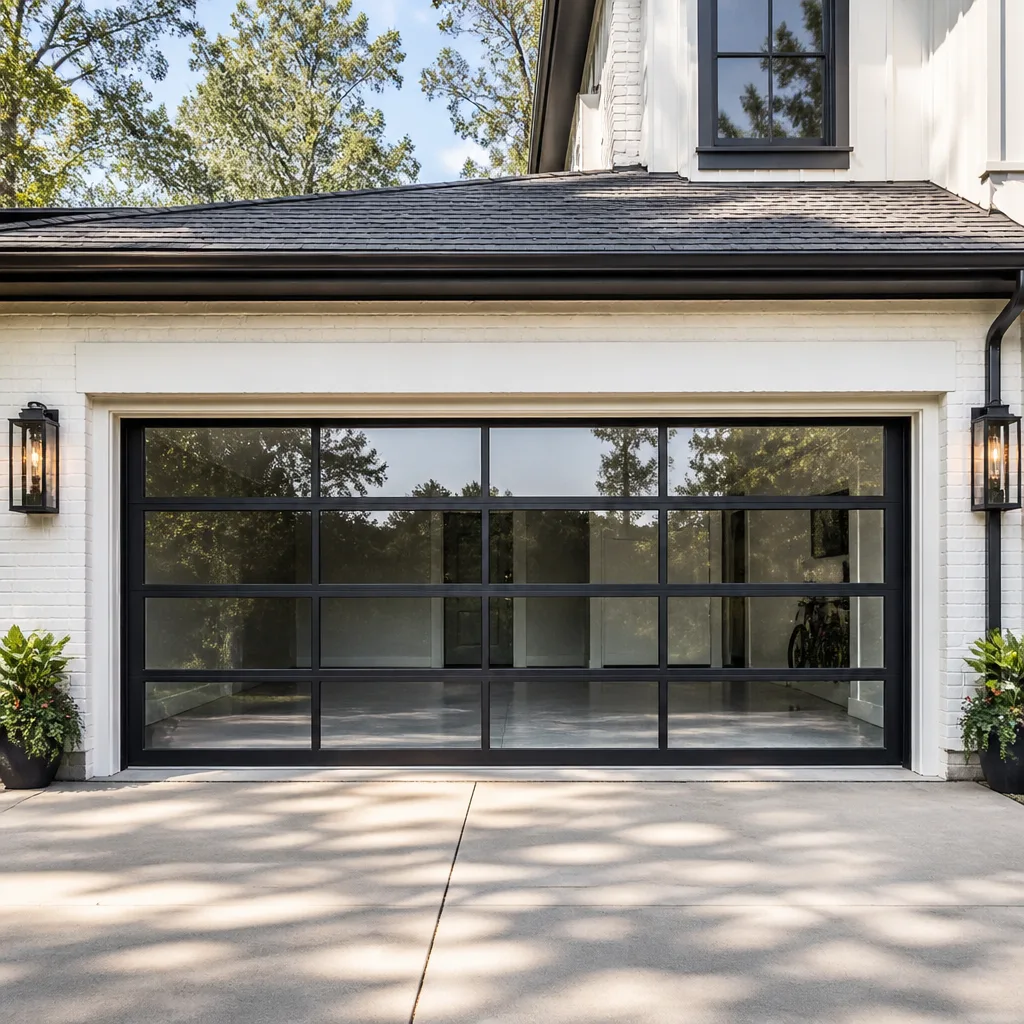 Full-view glass
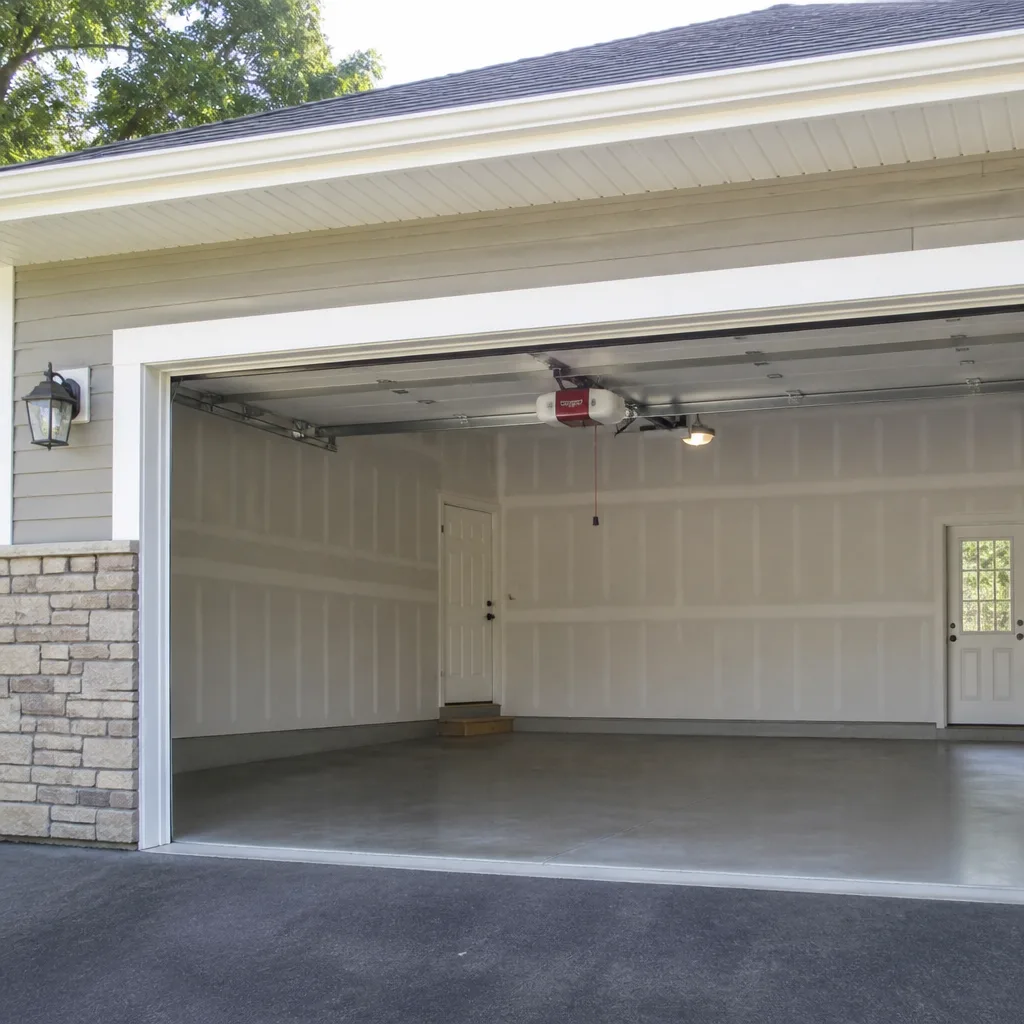 LiftMaster openers
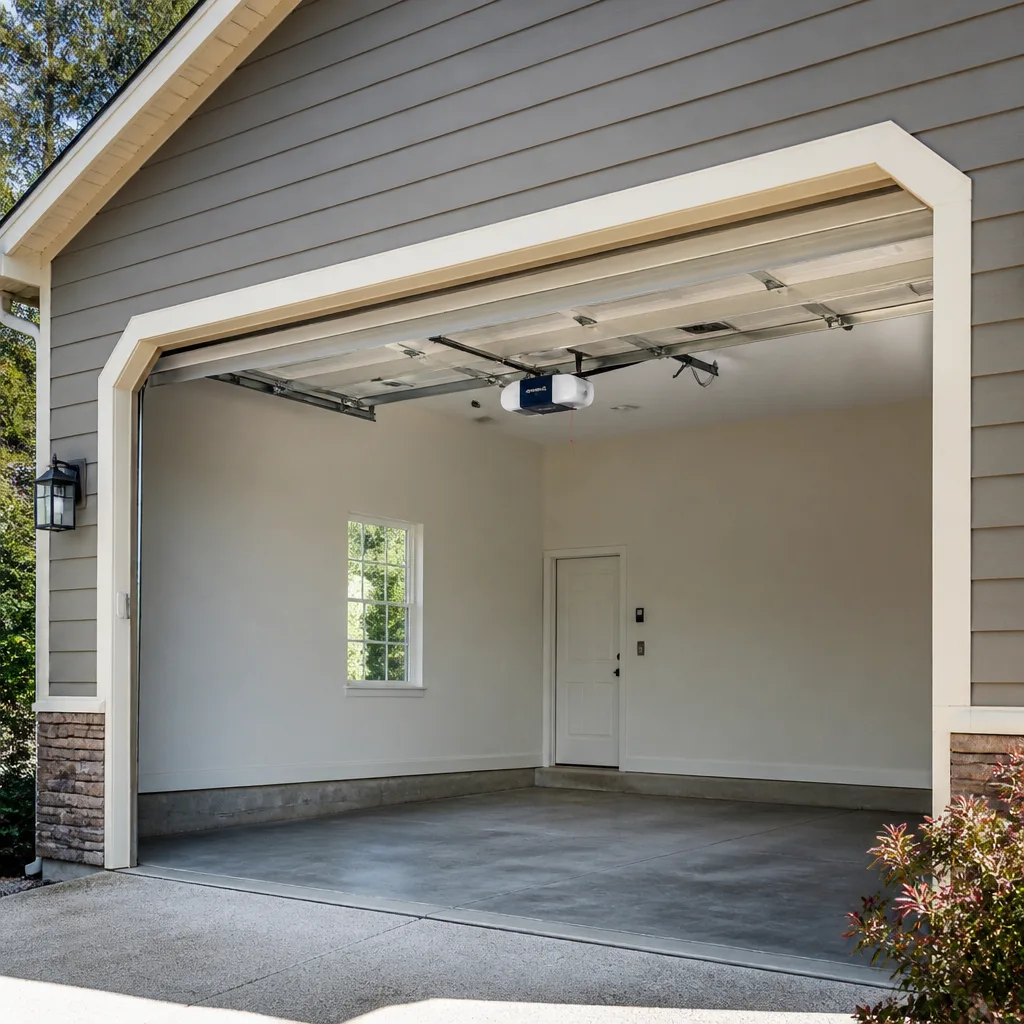 Chamberlain openers
Full 25-point door and opener safety check with every visit - springs, cables, rollers, tracks, and your LiftMaster or Chamberlain opener included
You get a price before we start. It does not change when the pro arrives.
Get your free estimateDIY vs Professional Garage Door: The Norman Homeowner’s Decision Guide
Most garage door advice online starts in the wrong place. It asks whether you’re handy enough to fix your door. That’s the wrong question. The right one is simpler: does this repair involve a component holding stored mechanical energy? A torsion spring under tension, a cable under load, a door panel that can drop. If the answer is yes, your skill level stops mattering, because the risk isn’t about being careful. It’s about the physics of a system that can hurt you before you react. This guide breaks garage door work down task by task, so you know exactly where the safe DIY line sits and where crossing it becomes a bad idea. We’ll cover what’s genuinely fine to handle yourself, what isn’t, and how Norman’s weather shapes how long a DIY fix actually lasts.
Quick Answer
Safe DIY garage door tasks in Norman include weatherstripping, photo-eye sensor alignment, lubrication, and minor cosmetic dent work. Springs, cables, track replacement, and opener motor repair require professional tools, training, and a written estimate, because those components store enough energy to cause serious injury when they fail. Everything else on your door is a judgment call, and being honest about that line makes the whole decision simple.
Styles & brands we work with
- Raised-panel steel
- Carriage house
- Modern flush
- Full-view glass
- LiftMaster openers
- Chamberlain openers
Table of Contents
- Where the DIY Line Actually Falls
- Tasks That Are Genuinely Safe to DIY
- Tasks That Require a Professional
- The Tools and Knowledge You’d Need (and What Happens Without Them)
- How Norman’s Climate Changes the DIY Math
- When Calling a Professional Is Faster and Cheaper
- Opener-Specific Decisions: Repair or Replace?
- Norman Neighborhood Notes: Older Doors and Newer Builds
Where the DIY Line Actually Falls
The garage door is the largest moving object in most homes, and it runs on two separate systems that people often lump together. The first is the door itself: panels, hinges, rollers, tracks, springs, and cables. The second is the opener: the motor, rail, and safety sensors that pull the door up and push it down. DIY safety depends entirely on which of these two systems you’re touching.
The door system is where the danger lives. A torsion spring stores the energy needed to lift a door that might weigh more than a small motorcycle. When it’s wound, that energy is held in place by steel. When it releases, it releases fast. Extension springs, common on older Norman doors, carry similar stored force along the horizontal tracks. Cables under tension can whip when they slip. None of this is about whether you’re clumsy. It’s about the fact that a trained professional knows exactly how much energy is coiled in that spring and treats it accordingly.
The opener system is a different story. Sensors, remote pairing, lubrication, and even most belt or chain adjustments are low-risk work that a careful homeowner can handle with a ladder and a manual. The opener motor itself is electrical, which brings its own caution, but you’re not fighting stored mechanical energy.
Here’s the practical split, and it’s the one we use when we talk to homeowners across Norman:
- Safe DIY: bottom weather seal, side and top weatherstripping, photo-eye sensor cleaning and alignment, track lubrication, hinge lubrication, cosmetic dent repair on a steel panel, remote battery replacement, and removing debris from the tracks.
- Professional only: torsion spring replacement, extension spring replacement, cable replacement, track replacement or realignment after impact, roller replacement on a door under tension, and any opener motor or gear work.
- Gray zone: panel replacement on a sectional door, opener logic board replacement, and adjusting travel limits. These don’t carry the same stored-energy risk, but they go wrong in ways that are hard to diagnose without experience.
That split holds everywhere, but it matters more in Norman than people expect, because the temperature swings here put more stress on springs and seals than most homeowners realize.
Tasks That Are Genuinely Safe to DIY
If you’re comfortable on a ladder and you follow the manufacturer’s instructions, these jobs are within reach. They’re also the ones that keep a door running smoothly between bigger repairs.
- Replace the bottom weather seal. The rubber seal at the base of the door takes the most abuse from sun, rain, and freeze-thaw cycles. Pull the old one out of its channel, slide in a new one cut to width, and check that it seals against the floor evenly. This is a one-hour job with basic hand tools.
- Align the photo-eye sensors. If your door reverses or refuses to close, the sensors at the bottom of the tracks are the first thing to check. Wipe the lenses, confirm both LEDs are lit, and nudge each sensor until they line up. Nine times out of ten, this solves a door that “won’t close for no reason.”
- Lubricate the moving parts. Hinges, rollers, and the opener rail benefit from a garage-door-specific lubricant, not WD-40. Do this a couple of times a year and you’ll notice the door runs quieter and the opener strains less.
- Clear debris from the tracks. A leaf, a pebble, or a wad of grass in the track can make a door bind. Wipe the tracks clean with a dry cloth and check that nothing is lodged in the channel.
- Touch up minor dents. A small dent in a steel panel doesn’t affect function. A bodywork-style puller or a suction cup can often pop it back out, and a matching touch-up pen hides the rest.
- Pair a new remote or keypad. This is a manual-and-ladder job. Most modern openers from LiftMaster and Chamberlain pair in under two minutes once you find the learn button.
None of these touch a spring or a cable. That’s the point. Keep your DIY work inside this list and you’ll avoid the injury risk entirely while still handling the routine maintenance that keeps a door working in Norman’s weather.
Tasks That Require a Professional
This list is shorter, but every item on it is a hard no for DIY. Read it as a boundary, not a challenge.
- Torsion spring replacement. The spring above the door holds enormous stored energy. Replacing it requires winding bars, a specific winding sequence, and the knowledge to count quarter-turns safely. Even experienced technicians treat this with respect. A DIY attempt with improvised tools is one of the most common causes of serious garage door injuries.
- Extension spring replacement. Common on older Norman doors, these run along the horizontal tracks under tension. They fail violently and can send hardware across the garage. This is professional work.
- Cable replacement. Cables are under tension and can whip when they snap or slip. They also need to be properly seated and tensioned on both sides, or the door will lift crooked and wear out the springs faster.
- Track replacement or realignment. If your door was hit by a car or the tracks got bent, the door needs to come off, the tracks need to be replaced or straightened with the right tools, and everything needs to be re-squared. This is structural work.
- Roller replacement on a door under spring tension. Changing a roller means relieving tension on the door. That’s the same stored-energy risk as working on the springs.
- Opener motor, gear, and logic board repair. These are electrical components. Some are simple swaps, but diagnosing an opener failure requires knowing whether the problem is the motor, the capacitor, the logic board, or the door itself.
We work on the brand you already have, whether that’s a LiftMaster or Chamberlain opener or a Clopay or Genie door, and the diagnosis is the same regardless of brand: figure out which system failed before recommending a fix. That’s much harder to do yourself than most guides admit.
The Tools and Knowledge You’d Need (and What Happens Without Them)
“Watch a YouTube video first” is the most common DIY advice, and it’s also the most misleading. The video is the easy part. The tools are where things fall apart.
A proper spring replacement requires winding bars made for the job, sized to the spring cone, and used in pairs so the spring stays controlled. Homeowners who improvise with screwdrivers, metal rods, or pliers are risking a snap-back that happens faster than a human can react. The same is true of cable work: you need the right crimping tools and a way to tension the cables evenly on both sides, or the door lifts crooked and stretches one spring faster than the other.
Beyond the tools, there’s the knowledge that comes from repetition. A trained technician can feel when a spring is wound correctly, hear when a door is out of balance, and spot the early signs of a failing cable before it breaks. Our technicians have up to 11 years of experience, and that familiarity is what turns a dangerous job into a routine one.
Here’s what a proper professional setup includes that a typical homeowner’s garage does not:
- Winding bars sized to the spring and cone
- Cable crimping tools and correct cable stock
- A door balance check routine (manual release, halfway lift, stability test)
- Track alignment tools and squares
- Spring sizing references matched to door weight and height
- Safety glasses, gloves rated for the job, and a spotter
You can buy some of this, but the sizing and balance judgment still require experience. That’s why spring work is on the professional list.
How Norman’s Climate Changes the DIY Math
Norman sits in a part of Oklahoma that gets real temperature swings. A summer day can hit the high 90s, and a winter cold front can drop the temperature 40 degrees in a day. Those swings work on your garage door constantly, and they change how long a DIY fix actually lasts.
Bottom weather seals are the clearest example. A seal installed with the wrong tension, or a seal bought for a different climate, can crack, shrink, or pull loose much faster here than in a stable climate. A weatherstrip self-installation that might last a decade in Arizona can last a fraction of that in Oklahoma’s temperature swings if the material isn’t right for the job or the door isn’t adjusted after installation. We see doors in Norman where a homeowner replaced the seal two winters ago and it’s already pulling away from the channel.
Springs feel this too. A torsion spring cycles through hundreds of temperature swings a year, and that cycling plus the constant tension is why springs eventually fail. A spring installed correctly will still fail one day. A spring installed at the wrong tension fails sooner. The climate doesn’t care which list you used, but it punishes mistakes faster here.
Track alignment is another one. The ground shifts with wet and dry cycles in Norman, and a door that was perfectly aligned in spring can start binding by fall. That’s a realignment job, not a DIY adjustment, if the tracks are genuinely out of square. Call us if you’re not sure which one you’re looking at.
When Calling a Professional Is Faster and Cheaper
The honest answer is that DIY sometimes wins on price. Weatherstripping, lubrication, and sensor work are cheaper to do yourself. But there’s a specific category of repair where a professional is both faster and cheaper once you account for what a failed DIY attempt costs.
Consider a broken torsion spring. DIY replacement requires buying the spring, winding bars, and cable tools, plus several hours of careful work under tension. The parts alone put most homeowners within shouting distance of what a professional charges, and that doesn’t account for the risk of injury or the cost of a door that’s out of balance after the install, which wears out the opener faster.
Consider a door that won’t close because the sensor is misaligned after the door was bumped. That’s a five-minute DIY fix, and we’d tell you it is. Calling us for that is more expensive than solving it yourself. We’d rather you handle it.
Here’s the practical breakdown:
- Call a professional: springs, cables, tracks, opener motors, and any door that’s out of balance or visibly damaged. A failed DIY attempt on these often costs more to fix than the original repair would have.
- Do it yourself: weatherstripping, lubrication, sensor alignment, remote pairing, and debris cleanup. These are quick, low-risk, and learnable from a manual.
- Call for a diagnosis if you’re unsure: a door that’s making new noises, going up crooked, or reversing intermittently could be a simple sensor issue or a failing spring. A free estimate from Millbrook Garage Door Repair tells you which. Call (866) 942-8099.
If you want the full-service version of this decision, our garage door repair page walks through what a repair visit actually involves in Norman.
Opener-Specific Decisions: Repair or Replace?
The opener is where DIY gets complicated in a different way. It’s not the injury risk, it’s the diagnostic risk. Most opener failures look similar from the outside: the door won’t move, the motor hums without lifting, or the remotes stop working. The cause could be the door, the opener, or the safety sensors.
Before you consider DIY opener work, run this diagnostic sequence:
- Pull the manual release and lift the door by hand. If it lifts easily and stays at the halfway point, the door is balanced and the problem is in the opener. If it’s heavy or slams down, the problem is the door, and the opener is just the victim.
- Check the safety sensors. Both LEDs should be solid. A blinking sensor will stop the door from closing even if everything else works.
- Test the wall switch. If the wall switch works but the remote doesn’t, it’s a remote or receiver issue. If neither works, the problem is upstream.
- Check the breaker. It sounds obvious, but we’ve answered plenty of calls where the opener was simply unplugged or on a tripped circuit.
If the diagnostic points to the opener itself, that’s where brand fluency matters. Most openers we see are LiftMaster or Chamberlain, and we know those systems well, along with Genie and Craftsman units. A motor or gear issue on a 10-year-old unit is often a judgment call between repair and replacement, and the right answer depends on the model, the door weight, and how the door is balanced. Our garage door opener repair page covers that decision in more depth.
For smart-home connectivity issues, most of the fixes are pairing and app-side, and those are genuinely DIY-friendly. The hardware side is not.
Norman Neighborhood Notes: Older Doors and Newer Builds
The right call between DIY and professional depends partly on the door you’re working on, and Norman has a wide range. Doors in older parts of town near the university have often been through multiple repairs, and the hardware may be a mix of original springs and replacement parts. Those doors benefit from a professional look before you decide anything, because mismatched springs throw off the balance and make DIY adjustments unreliable.
Newer builds on the west side of Norman typically have a matched door and opener installed together, often a Clopay door paired with a LiftMaster opener. On those, routine maintenance is more predictable and the DIY list is safer to follow. But even on a newer door, the first spring failure should go to a professional. It’s a storing-energy job regardless of how old the door is.
Doors on rural properties outside Norman’s city limits often run on extension springs rather than torsion, and those fail differently. If your door has springs running horizontally above the tracks, that’s the extension style, and it’s professional-only. If you’re not sure which style you have, call us and we’ll tell you.
We’ve seen the same pattern across Norman for years: the homeowners who stay inside the safe DIY list get the longest life out of their doors, and the ones who tackle spring work themselves end up calling us anyway, often after a scare. Staying inside the line is the cheaper path.
Common Mistakes to Avoid
- Using the wrong spring. Springs are sized to door weight and height, and a spring matched to the wrong door fails early or doesn’t lift the door at all. Two springs that look identical can be different sizes.
- Improvising winding bars. Screwdrivers, pliers, and metal rods are not winding bars. They slip, they bend, and they don’t give you control over a spring under tension.
- Buying a bottom seal that isn’t rated for temperature swings. A seal that cracks in Norman’s climate is more expensive than the one that holds up. Check the material rating before you buy.
- Adjusting track and spring together. If the tracks are out of square and you try to fix that by adjusting the springs, you’ve moved the problem to the wrong part. Tracks first.
- Skipping the balance check. After any door repair, pull the manual release and lift the door halfway. If it doesn’t stay, the door needs adjustment before the opener engages.
- Working without eye protection. Even routine spring inspection means wearing safety glasses. A spring that lets go at arm’s length is not a “close call” situation.
- Assuming the opener is the problem. A binding door will burn out an opener fast. Fixing the opener without fixing the door just means the new opener fails the same way.
See the difference
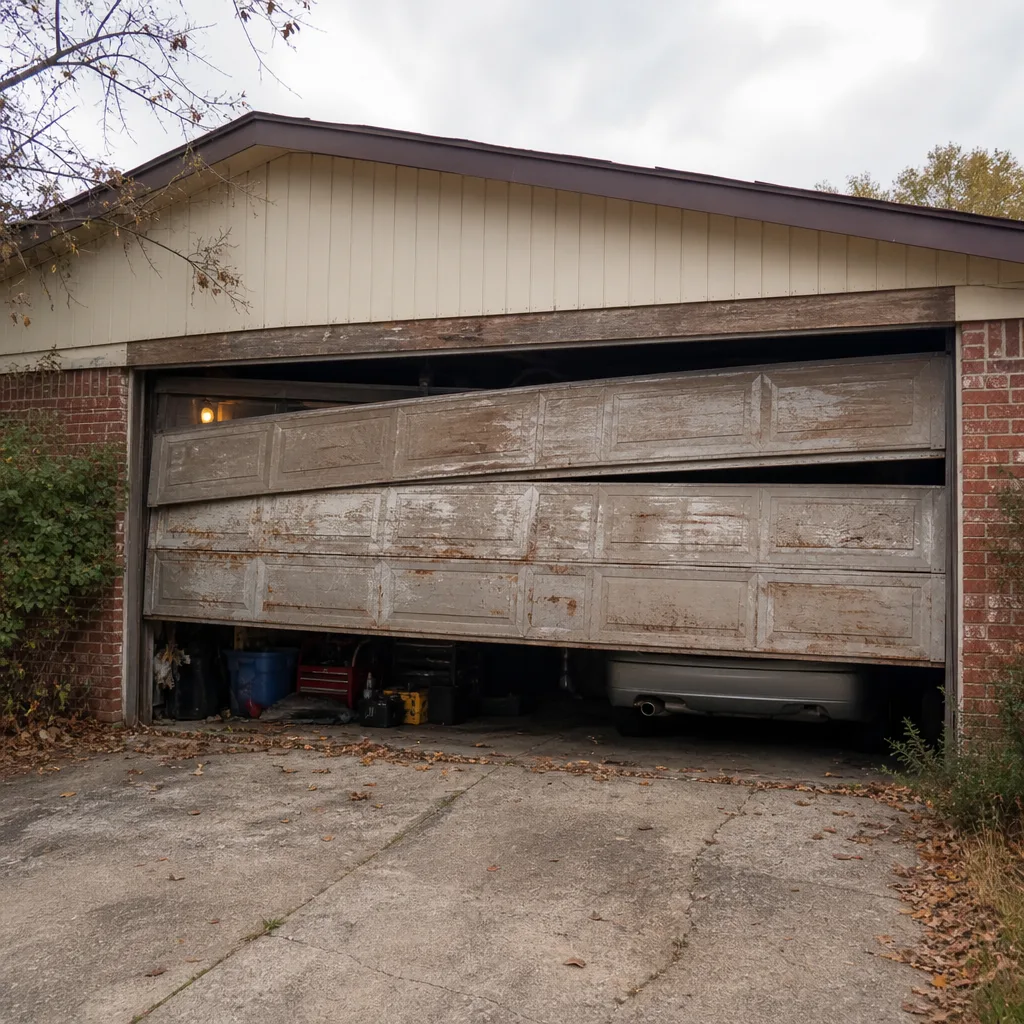 Before
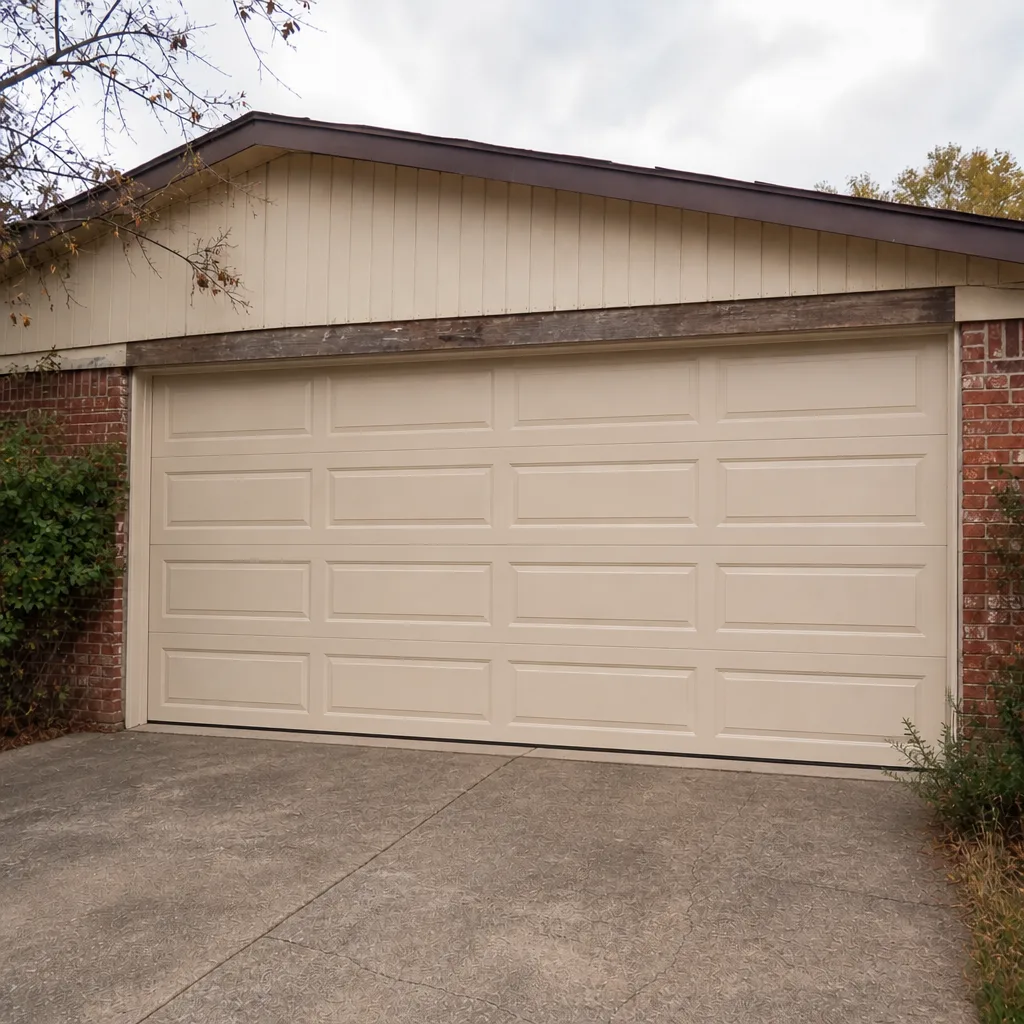 After
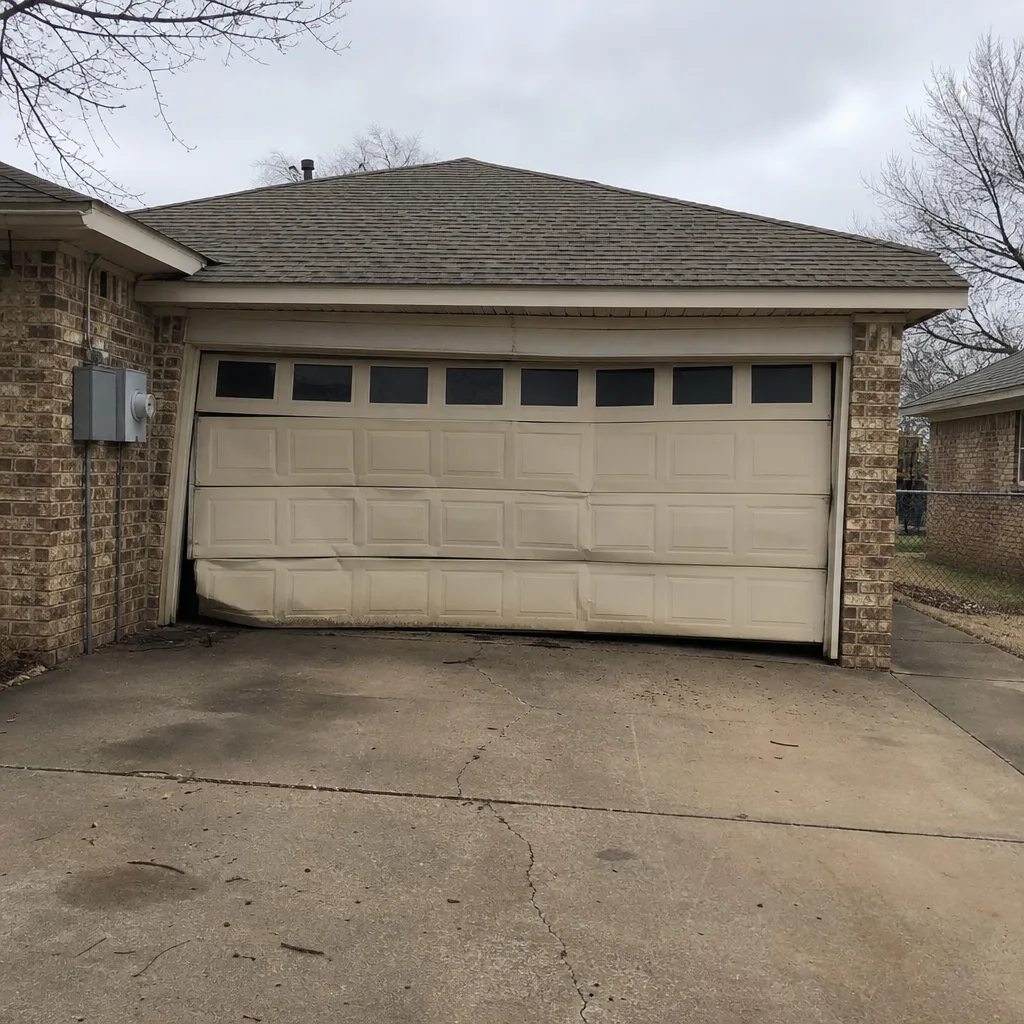 Before
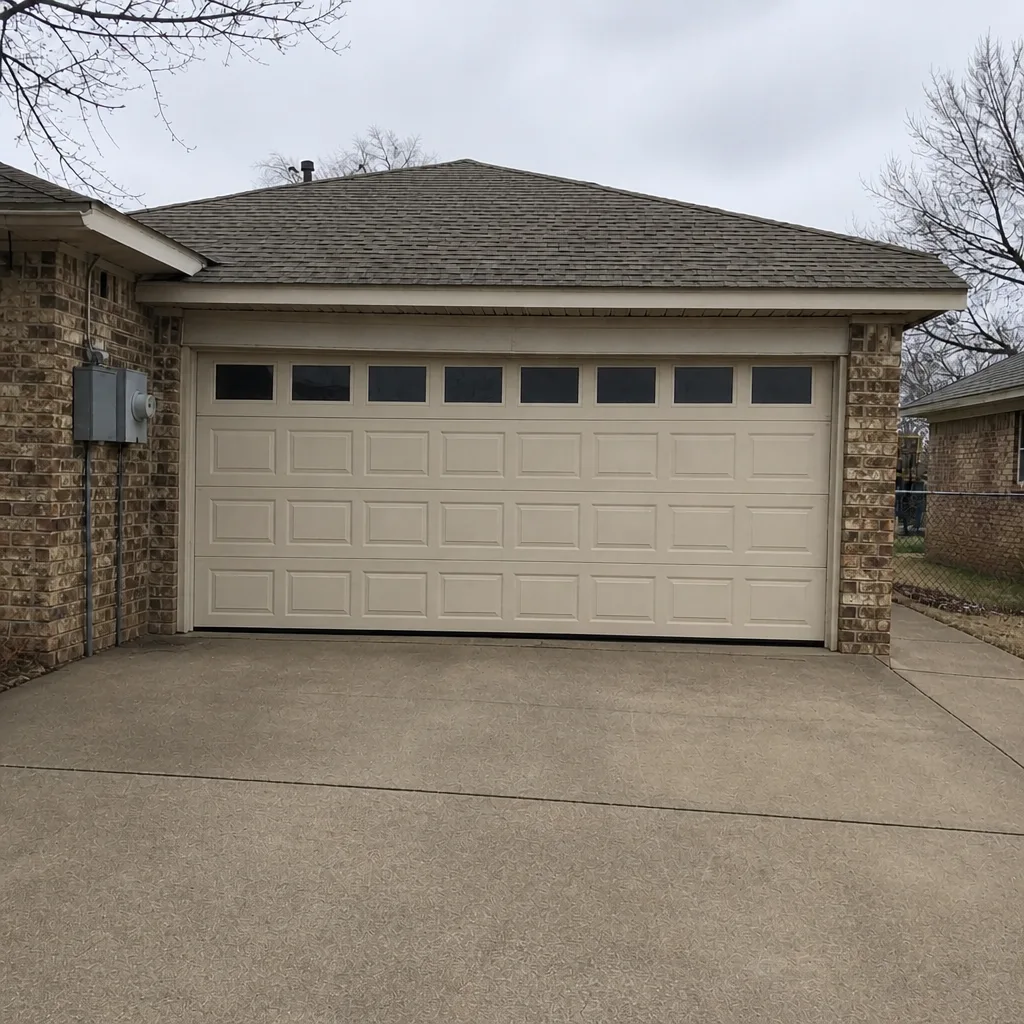 After
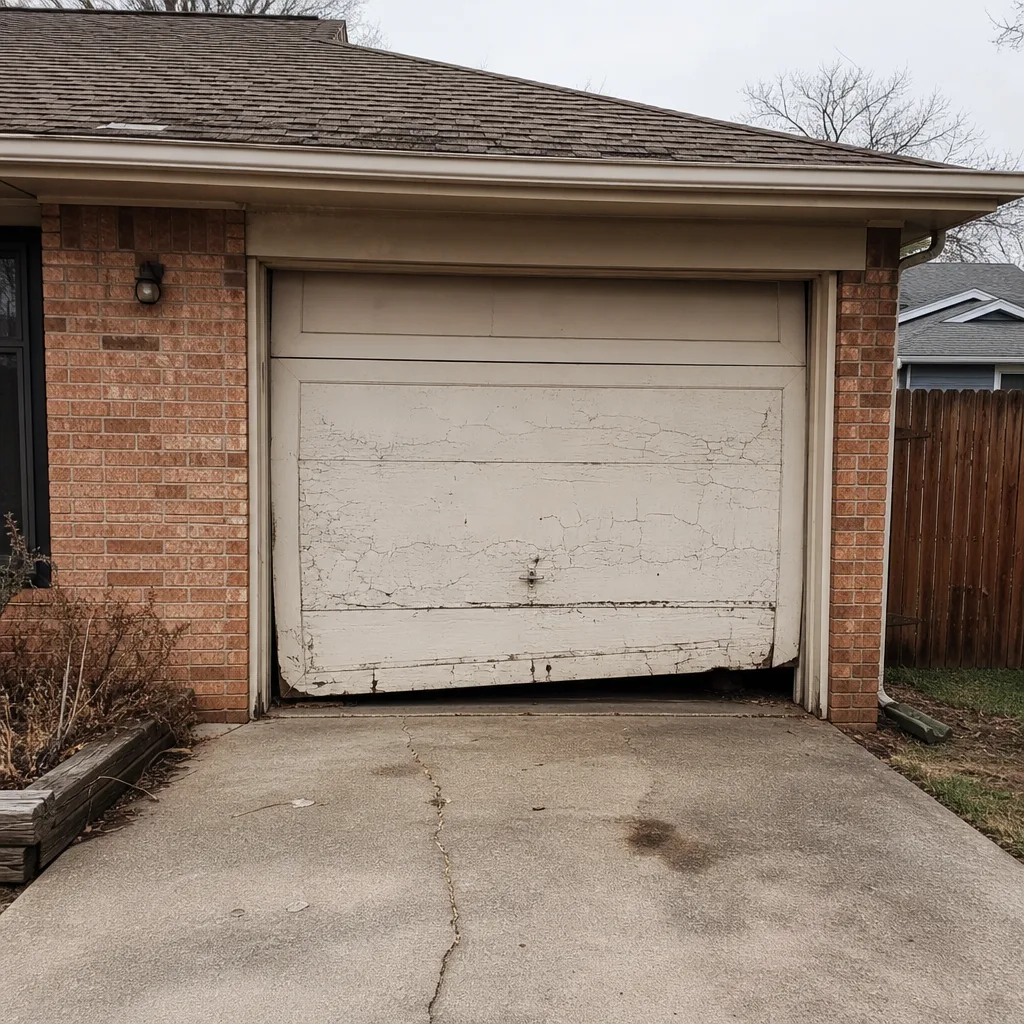 Before
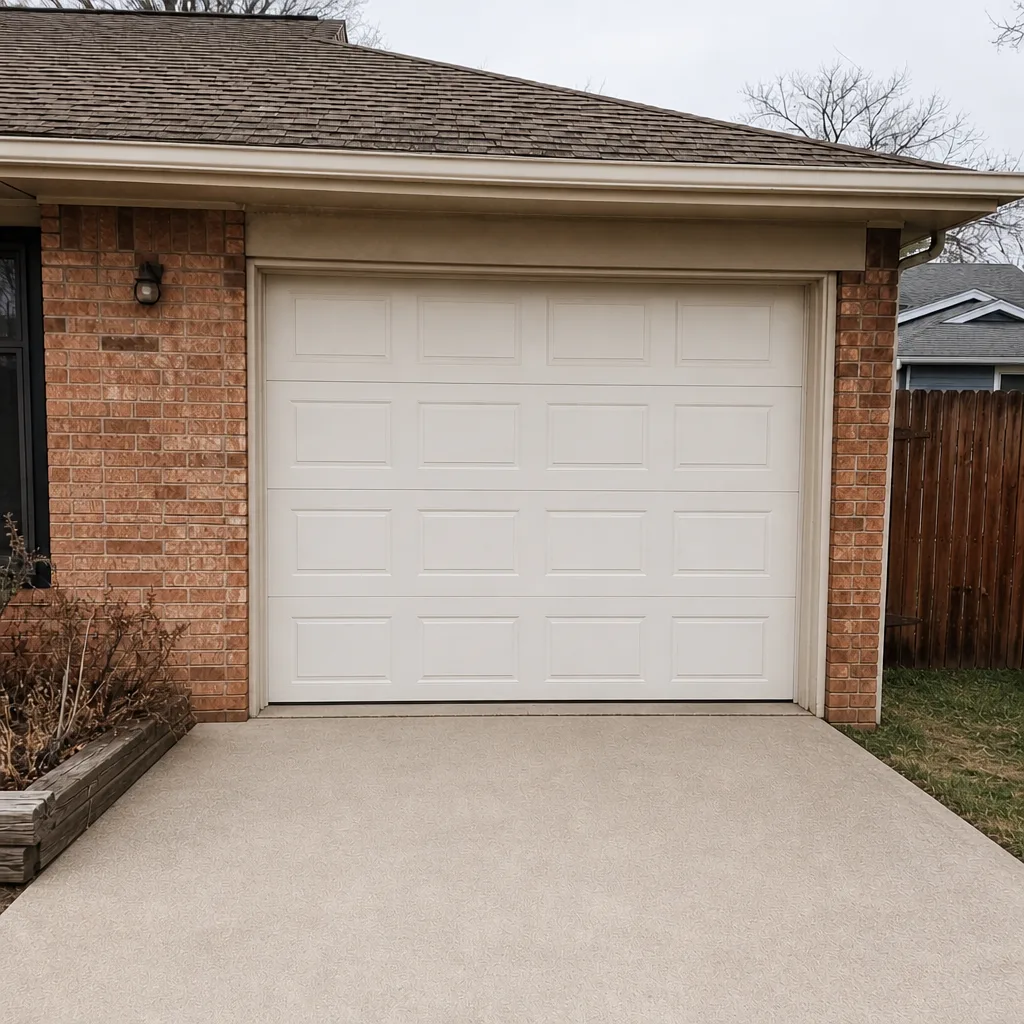 After
When to Call a Professional
Call a professional when the repair involves a spring, a cable, a track, or an opener motor, and call sooner if the door is out of balance, going up crooked, or making new sounds. Also call if you’re not sure which system failed, because misdiagnosing a door problem as an opener problem costs more than a service call. If your door was hit by a car, call before you touch anything; a bent track is a structural issue, not a sensor issue.
Millbrook Garage Door Repair offers free estimates in Norman. We work on the brand you already have, and one call covers repair, opener service, and installation. Call (866) 942-8099. We answer 24/7, with fast dispatch from 7am to 7pm, Sunday through Friday. Every job is quoted and agreed before any work starts, so there are no surprises on the invoice.
Frequently Asked Questions
No. Torsion and extension springs store enough mechanical energy to cause serious injury when they release, and a DIY attempt without proper winding bars and training is dangerous. Spring replacement is one of the repairs that should always go to a trained professional, regardless of how handy you are.
It depends on the task. Weatherstripping, lubrication, and sensor alignment are genuinely cheaper to handle yourself. Springs, cables, and track work are usually cheaper to hire out once you factor in parts, tool costs, and the risk of a failed DIY attempt, which often costs more to fix than the original repair.
Yes, same-day service is often available for repair calls. Call (866) 942-8099 and we’ll find a dispatch window. We answer 24/7, with fast dispatch from 7am to 7pm, Sunday through Friday.
No. We quote the job and agree the price with you before any work starts, so the written estimate is what you pay. If the diagnosis changes once we’re on site, we explain the options and re-quote before proceeding, and you decide.
Yes. Our technicians are state-licensed and the company is insured, and our technicians have up to 11 years of experience with the major door and opener brands. We work on the brand you already have rather than steering you toward a specific product line.
Less than most homeowners expect if the seal isn’t rated for temperature swings. A seal installed correctly with a material suited to Oklahoma’s hot summers and cold snaps will last longer than a cheap one, but expect to check it after a couple of hard winters and replace it if it’s pulling away from the door.
The Bottom Line
The DIY-versus-professional question for garage doors is really a question about stored energy. Tasks that don’t touch a spring, a cable, or a track under tension are safe to handle yourself, and doing them saves money. Tasks that do touch those components belong to a professional, because the risk to you is real and the downside of a mistake is expensive. In Norman’s climate, the safe DIY list also has to account for temperature swings that shorten the life of seals and stress springs faster. Use the split in this guide as your decision line, and when you’re not sure which side a repair falls on, get a diagnosis. For Millbrook Garage Door Repair, one call covers repair, opener service, and installation, so the diagnosis and the fix happen with the same company. Call (866) 942-8099 for a free estimate. We answer 24/7, with fast dispatch from 7am to 7pm, Sunday through Friday.
Written by the team at Millbrook Garage Door Repair.